Parents preparing snacks at home
Whether you serve the drink as it is or use it in a recipe, the ingredients list, sugar content and storage instructions once opened can help you choose between products.


For a snack prepared at home, choose an unflavoured soya drink if you prefer a short ingredients list. If flavour matters more, compare the sugar content of each recipe per 100 ml. Also check for allergens and storage instructions once opened. A standard soya drink is not a substitute for infant milk; for institutional catering, Anses recommends not serving soya-based foods.
Whether you serve the drink as it is or use it in a recipe, the ingredients list, sugar content and storage instructions once opened can help you choose between products.
A flavoured recipe may suit your preferences. Even so, compare its sugar content with an unflavoured version per 100 ml, rather than relying on the flavour name alone.
If the snack is provided as part of institutional catering, the choice is about more than the recipe or pack size: Anses recommends not serving soya-based foods in this setting.
Start by checking who the drink is for and where it will be served. For a snack at home, compare the recipe and nutritional information for the specific product. Terms such as “mature” or “aged” are not established criteria for choosing these drinks.
| What matters | What to check | Who is it for? |
|---|---|---|
| Recipe and sugars | Ingredients list and “of which sugars” per 100 ml; check whether the specific product is labelled “no added sugars”. | When preparing a snack at home with a simple recipe, I want to know what’s in the drink before choosing a flavour. Around 33% of consumers put ingredients first. |
| Flavoured taste | Ingredients for the stated flavour and sugar content per 100 ml, compared with an unflavoured version. | If vanilla or chocolate is my priority, I may be happy with a recipe that differs from the unflavoured version. Taste would come first for around 27% of consumers. |
| Declared fortification | Check for a mention of calcium or vitamins, and the quantities shown on the packaging. | I’m looking for a drink whose added nutrients are clearly listed, rather than assuming they’re present just because it says “soya”. This would be the main criterion for around 20% of consumers. |
| Where it will be served | Allergens, the age of the people being served, and whether the snack is at home or part of institutional catering. | Before planning to serve soya to children, I need to consider possible allergies and where the snack will be served. Around 20% of consumers would prioritise these practical considerations. |
Bio Village product listings from E.Leclerc show 0.7 g of sugars per 100 ml for the unflavoured version with no added sugars, compared with 4.6 g for the organic vanilla version. This difference applies to these two products, not to all flavoured drinks.
Compare the ingredients and the “of which sugars” line per 100 ml on the packs you’re considering.
A drink containing soya is not suitable for anyone with a soya allergy. The French Directorate-General for Competition Policy, Consumer Affairs and Fraud Control points out that allergens must be highlighted in the ingredients list of pre-packed foods.
Check the label for each recipe and ask about the allergies of any children you’re inviting before preparing a snack.
According to Anses, standard plant-based or animal-based drinks are not a substitute for breast milk or infant formula suitable for children under one year old.
Choose food that’s suitable for your infant’s age, and speak to a healthcare professional if you have any specific concerns.
Anses recommends not serving soya-based foods in institutional catering to limit the risk of excessive isoflavone consumption. This recommendation is not a general ban on buying them for your household.
If the snack is part of institutional catering, plan an alternative in line with the organisation’s procedures.
Carrefour’s “Lait Soja Sans Sucres” product is a good option if you’re looking for an unflavoured recipe.
One 1 L soya drink sold by Carrefour contains calcium and vitamins B2, B12 and D2.
E.Leclerc product listings include an organic unflavoured soya drink with no added sugars, as well as an organic vanilla version.
Auchan’s 1 L organic unflavoured soya drink is made with organic soya juice.
These individual packs of soya drinks give you the chance to compare unflavoured recipes with options containing other ingredients for a snack at home. Check the ingredients for each product, particularly if sugar content or allergens are important to your choice.
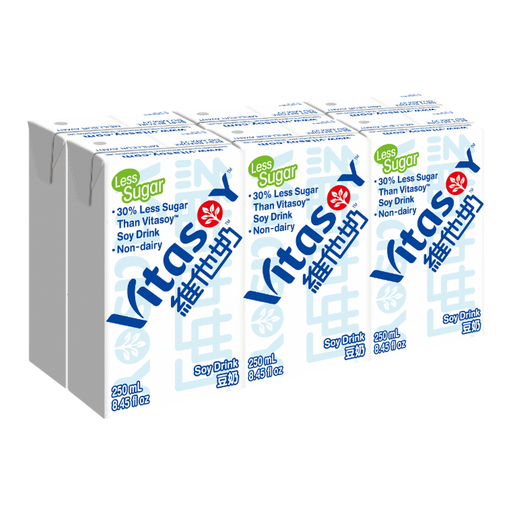 Image unavailable
The six individual cartons may suit a snack at home or on the go.
“Less Sugar” does not mean “no added sugars”, so check the “of which sugars” line and ingredients list for this product. If protein is important to your comparison, check the amount on the packaging.
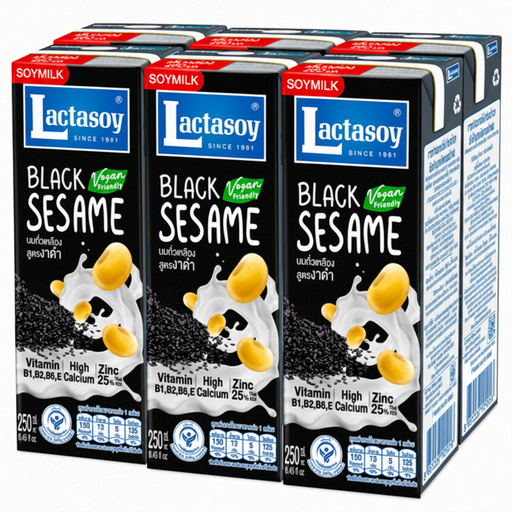 Image unavailable
These individual cartons of soya drink with black sesame are a good choice if you’d like to add a different flavour to snack time.
The recipe contains sugar, so compare the nutritional information per serving and per 100 ml. Check for soya and sesame if anyone eating with you has an allergy, and follow the storage instructions once opened.
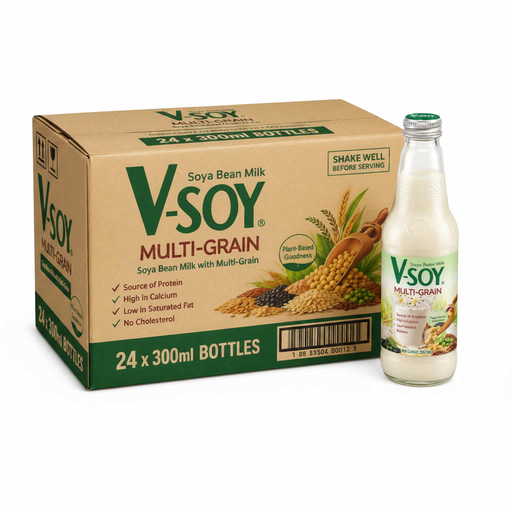 Image unavailable
This pack of 24 300 ml cartons is a good option if you’re looking for individual portions of multigrain soya drink.
To compare this recipe with an unflavoured drink, check the ingredients and sugar content per 100 ml. Also check for allergens, including soya and barley, which are listed for this product.
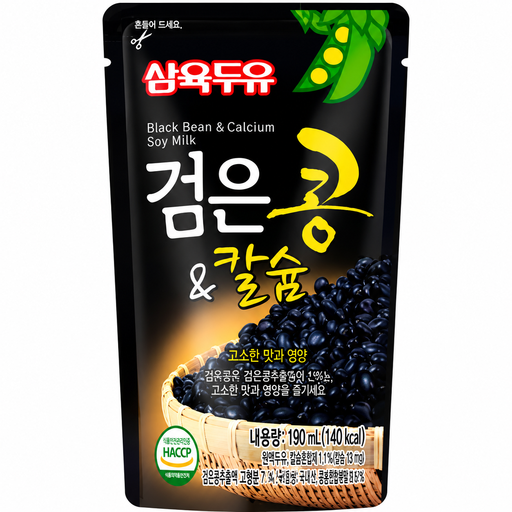 Image unavailable
The 190 ml pack could work as an individual portion for a snack; the product name highlights black soya beans and calcium.
If fortification is part of your decision, check the amount of calcium declared on the packaging. The ingredients list also mentions sugar and fructose, so check the sugar content per 100 ml before comparing this drink with an unflavoured recipe.
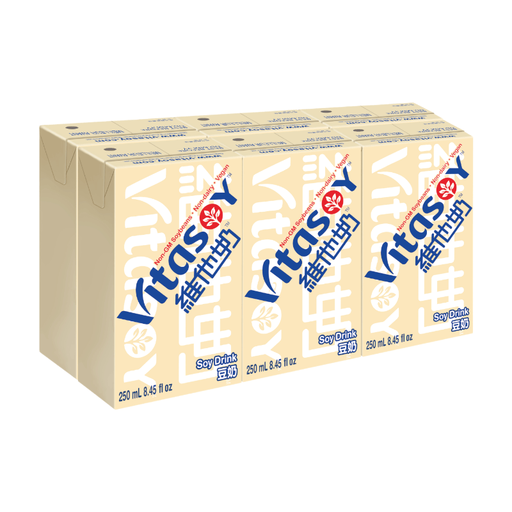 Image unavailable
These six 250 ml cartons let you serve a soya drink with an original flavour rather than a flavoured variety.
“Original” does not mean “no added sugars”: the recipe contains sugar. Check the sugar content per 100 ml on the packaging. Once opened, the instructions for this product say to refrigerate and consume within 24 hours.
Look for “soya” in the ingredients list. The French Directorate-General for Competition Policy, Consumer Affairs and Fraud Control reminds consumers that allergenic ingredients must be highlighted in the ingredients list of pre-packed foods. Check the exact product if a child or guest has an allergy.
No. According to Anses, standard plant-based or animal-based drinks are not a substitute for breast milk or infant formula suitable for children under one year old. Speak to a healthcare professional if you have any questions about feeding an infant.
If the snack is part of institutional catering, Anses recommends not serving soya-based foods, regardless of age group, to limit the risk of excessive isoflavone consumption. This recommendation applies to group catering and is not a general ban on snacks prepared at home.
Follow the temperature and storage period stated on the packaging of your chosen drink. The French Directorate-General for Competition Policy, Consumer Affairs and Fraud Control stresses the importance of following the manufacturer’s instructions. For example, the Auchan Bio product listing says to store the drink at a maximum of +6 °C and consume it within five days of opening.