Older people having a snack at home
When choosing a drink to go with a snack, compare the protein, calcium, vitamin D where listed, sugars and taste. These can vary between products.


For an individual snack, choose a soy drink by comparing its ingredients, nutritional values and the amount that will actually be consumed, rather than relying on terms such as ‘mature’ or ‘aged’. The setting affects your decision: Anses recommends not serving soya-based foods in institutional catering to avoid excessive isoflavone intake. Choosing a calcium-enriched drink does not change this recommendation.
When choosing a drink to go with a snack, compare the protein, calcium, vitamin D where listed, sugars and taste. These can vary between products.
If the drink needs to be easy to serve, check the pack size, whether it is plain or flavoured, and the storage instructions after opening. Choose an amount that matches how much is likely to be consumed.
In a care home or another institutional catering setting, choosing a drink is not simply a matter of comparing the nutritional values on the carton: Anses recommends not serving soya-based foods as part of group meals.
First, decide whether the snack is for one person or will be served as part of institutional catering. For an individual purchase, compare labels on the same basis and take into account how much will actually be drunk.
| Criterion | What to check | Who it matters to |
|---|---|---|
| Setting for the snack | Distinguish between an individual purchase and a menu for institutional catering. In the latter setting, follow Anses’s recommendation not to serve soya-based foods. | When I organise several snacks at a care home or other facility, I need to choose an option that is suitable for a group setting. Around 29% of consumers would make this their top priority. |
| Protein and added nutrients | Compare the protein and calcium per 100 ml, then check whether vitamin D is listed and what portion will be served. | For an individual snack, I want to know what the drink provides in the glass that is actually served. Around 36% of consumers would consider this a priority. |
| Ingredients and taste | Read the ingredients list, the ‘of which sugars’ line and any flavourings listed for the specific product. | If I’m looking for a flavour I enjoy without overlooking the ingredients, I compare the recipe rather than the words on the front of the carton. Around 21% of consumers would put this need first. |
| Buying and storage | Check local availability, pack size and the storage instructions after opening. | If there’s a risk that an opened carton will be left unfinished, I prefer a pack size that suits the amount I’ll drink. For around 14% of consumers, this would be the main criterion. |
Anses recommends not serving soya-based foods in institutional catering for any age group, to avoid excessive isoflavone intake. Adding calcium or vitamins to a drink does not change this recommendation.
If you run a care home or other facility, plan another drink or snack as part of the residents’ menu.
Product listings from Auchan and E.Leclerc show that Alpro, Sojasun and VEGE products have different protein levels and added nutrients. The word ‘soya’ alone is not enough to compare them.
Check the protein, calcium, vitamin D and sugars for the specific product you’re buying, preferably per 100 ml.
These terms do not describe a specific nutritional profile. A drink labelled plain or enriched may also contain sugar or flavourings, depending on the recipe.
Base your choice on the ingredients list and nutritional information rather than these claims.
The storage instructions for the Alpro and Sojasun products reviewed say to refrigerate after opening and consume within five days.
Choose a pack size that matches how much will be consumed and follow the instructions on the carton you buy.
An opened carton that cannot be finished within the stated time may go to waste.
The ‘high in protein’ soy drink gives you declared protein and calcium values to compare for an individual snack.
The lightly vanilla-flavoured calcium and vitamin D product is worth comparing when taste and listed nutrients matter for an individual purchase.
The calcium-enriched soy drink offers a different declared nutritional profile to compare with branded products.
The retailer’s soy-based drink lets you compare a supermarket own-brand recipe with the other products you are considering.
These products are intended for individual snacks: four drinks in single portions or multipacks, plus one powder mix. Compare their pack size and recipe with how you plan to use them; they are not a selection for institutional catering menus.
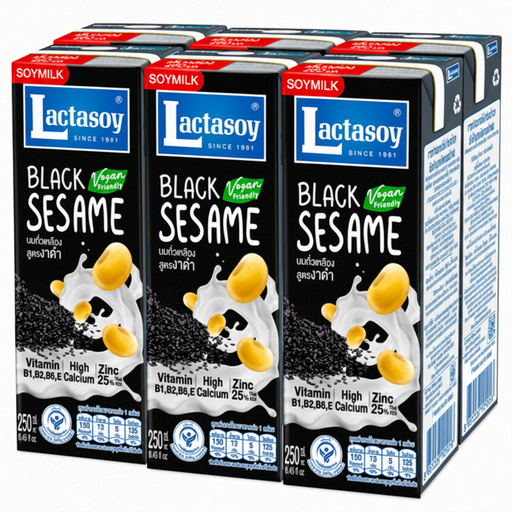 Image unavailable
The individual cartons may suit you if you want to serve a set amount with a snack. The multipack contains six 250 ml cartons. Check the sugars, calcium information and storage instructions after opening on the packaging. As this drink contains black sesame, also check the allergen information for the person who will be drinking it.
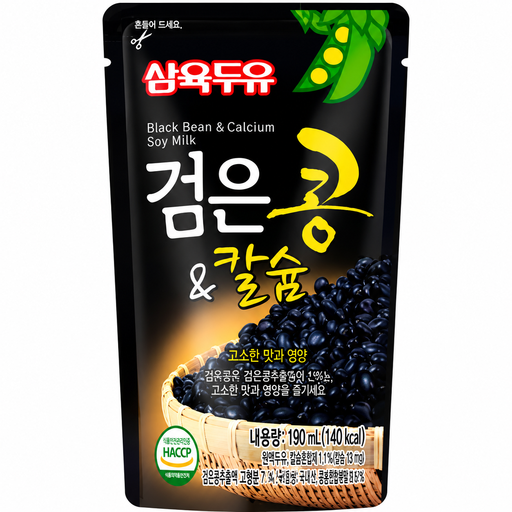 Image unavailable
The 190 ml pack size is worth considering for an individual snack. The name of this variety mentions black beans and calcium; before choosing it to meet a specific nutritional need, compare the protein, sugars and calcium values on the packaging.
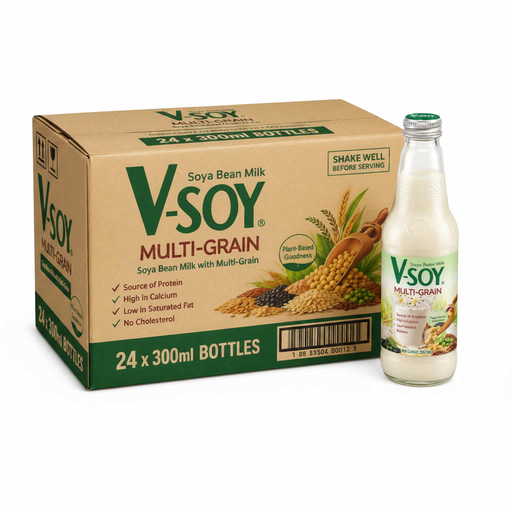 Image unavailable
Only consider this multipack if you expect to use all 24 cartons. Each carton contains 300 ml; check the ingredients list and nutritional values for this grain-based recipe. In particular, check for barley if you need to avoid gluten.
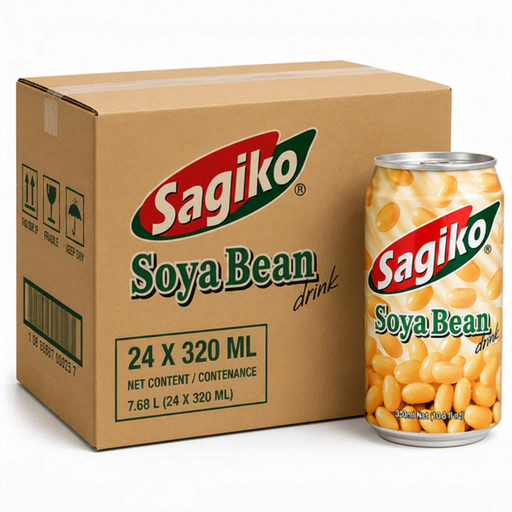 Image unavailable
Individual cartons mean you do not have to share a large opened carton, but this multipack is a substantial quantity for occasional snacks. It contains 24 cartons of 320 ml; compare the sugars and other nutritional values on the product with your criteria.
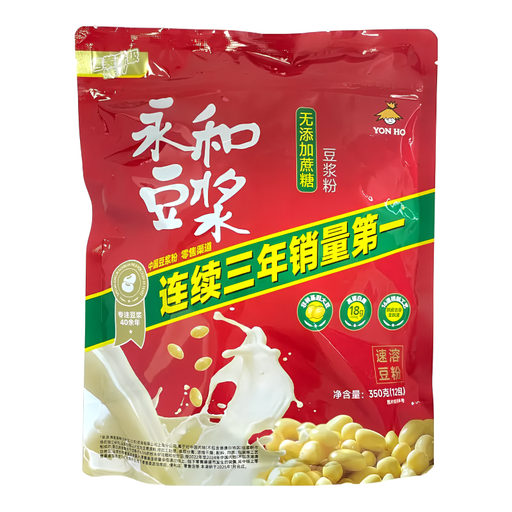 Image unavailable
This powder is for someone who can prepare a drink at snack time, rather than someone looking for a ready-to-serve carton. The pack contains 350 g of powder. The sugar claims in the title and the recipe are not entirely clear, so check the ingredients list and the ‘of which sugars’ line on the pack you receive, then follow its preparation instructions.
For snacks served as part of institutional catering, Anses recommends not serving soya-based foods to any age group, to avoid excessive isoflavone intake. This recommendation applies to group settings and is not a general ban on individual consumption.
Compare their protein, calcium and sugars on the same basis, then check whether vitamin D is listed and how much will be served. For example, Auchan and E.Leclerc listings give 5 g of protein per 100 ml for the Alpro product described as ‘high in protein’, 3.3 g for the Sojasun calcium and vitamin D product, and 3.1 g for the VEGE calcium product.
Follow the instructions on the carton you buy: the Alpro and Sojasun products reviewed say to refrigerate after opening and consume within five days. Instructions may vary by product.
The fact that a drink lists calcium, protein or vitamin D does not mean it is equivalent to a complete snack for a particular person. If someone is malnourished, has difficulty swallowing or is following a prescribed diet, ask the healthcare professional supporting them to approve the choice of drink and snack.