Breakfast with fat and sugar in mind
You want to compare these two values without giving up soya drink for your cereal, coffee or weekend recipes.


To choose a soya drink for weekend breakfast with fat content in mind, compare the values per 100 ml for each recipe, as well as its sugar content. The words ‘no sugars’ tell you nothing about the fat content. A plain recipe may suit you if you also want to cook with it, while a flavoured one caters to a different preference and may contain added sugar. Check separately for any fortification you’re looking for, and for soya if you need to avoid this allergen.
You want to compare these two values without giving up soya drink for your cereal, coffee or weekend recipes.
You prefer the taste of a smooth or flavoured recipe and want to know how its ingredients and sugar content compare with a plain version.
You want to compare the protein content shown on the label or look for a recipe that states it contains calcium or vitamin D, without assuming that all soya drinks have the same nutritional profile.
For this breakfast, start by comparing fat and sugar on the same 100 ml basis. Then decide whether you’d prefer a recipe you can also cook with, a flavoured taste or a specific type of fortification, depending on what matters most to you.
| Criteria | What to check | Who might this suit? |
|---|---|---|
| Fat and sugar | Compare both values per 100 ml in the nutritional information for each recipe. | If I want to limit fat without accidentally choosing a sweeter drink, I should look at both figures together. Around 33% of consumers prioritise this combination. |
| For drinking and cooking | Check the ingredients list and look for flavourings or added sugar if you also want to cook with the drink. | I’d like to use the same drink with my cereal and in a savoury weekend recipe; a neutral-tasting option matters more to around 25% of consumers. |
| Protein or fortification | Check the protein per 100 ml and, if you’re looking for a fortified option, the information for the specific product you’ve chosen. | For breakfast, I want to know the protein content or choose a recipe that states it contains calcium and vitamin D. This comes first for around 25% of consumers. |
| Flavour | For a flavoured version, compare its ingredients and sugar content with those of a plain one. | I prefer a flavoured drink, even if that means checking whether it contains added sugar. Taste is the top priority for around 17% of consumers. |
These terms don’t replace the fat value in the nutritional information. Recipes can differ in several ways at once.
Compare fat and sugar per 100 ml, then check the ingredients list for the products you’re interested in.
The Bjorg Soja Douceur recipe listed by Auchan includes cane sugar, natural vanilla flavouring and stabilisers, among other ingredients. Its composition is therefore different from the Bjorg no-sugars product, which lists water and soya beans as its ingredients.
If you’re drawn to a flavoured option, compare its sugar content and ingredients with those of a plain recipe before choosing.
Plain products, those promoted for their protein content, and those stating that they contain calcium or vitamin D are different recipes.
If one of these nutrients is important to your purchase, check the nutritional information and claims for the exact product you’re considering.
Soya is an allergen to look out for in the labelling information. Choosing a plain or flavoured recipe doesn’t change this.
If you’re allergic to soya, avoid drinks that contain it and read the label of the product you choose.
A brand may offer several recipes, so compare the information for the specific product rather than assuming the whole range has the same characteristics.
The soya-based plant drinks in Auchan’s range include flavoured recipes and products promoted for their protein content.
The brand offers, among other options, an organic no-sugars soya drink and an organic Soja Douceur recipe.
Auchan’s range includes a plain soya drink and a product stating that it contains calcium and vitamin D.
Carrefour offers, among other products, a 1 L organic plain soya-based plant drink.
The supermarket’s own-brand range includes, among other products, a 1 L soya-based plant drink.
These two drinks suit different breakfast uses: Alpro Soya Barista to enjoy with coffee or cereal, for example, and SAGIKO Soybean Drink in individual cartons. To choose based on what matters most to you, also compare the fat and sugar content of each recipe.
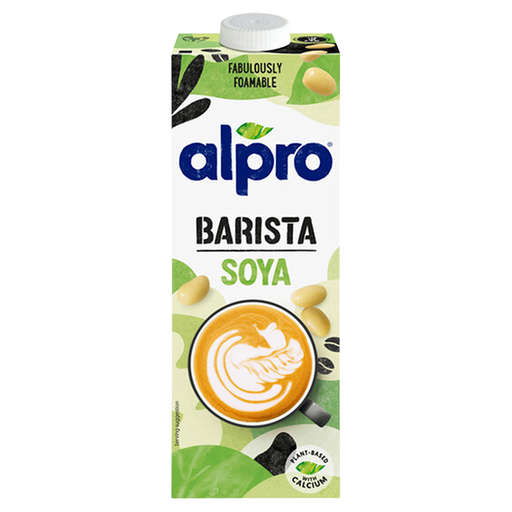 Image unavailable
This drink can be enjoyed with coffee or cereal at breakfast. If you’re looking to limit fat, also check its sugar content per 100 ml; its name alone doesn’t mean it’s low in fat.
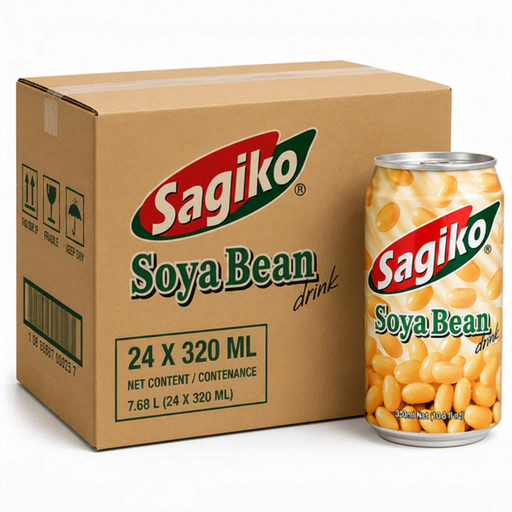 Image unavailable
This multipack is a good choice if you’d like to serve individual cartons. If you also want to limit sugar, compare the amount per 100 ml and read the ingredients list: the information for this recipe mentions sugar and flavouring.
No. Sugar and fat are two separate values. To choose a soya drink based on both, compare the nutritional information for each product per 100 ml.
Check the ingredients list, allergen information and nutritional information in particular. Your Europe includes these among the food labelling information required in the European Union. When choosing, pay particular attention to whether the drink contains soya and to the values per 100 ml.
No. It doesn’t replace checking the exact recipe and its nutritional information. Your Europe notes that nutrition and health claims are regulated in the European Union. Check fat and sugar separately, along with the stated protein content if that matters to you.