Parents of a child under 3
You’re looking for a convenient drink for snack time, perhaps to serve with biscuits. Age matters more than pack size: Public Health France advises against soya-based products before the age of 3.


If the snack is for a child under 3, don’t choose a soya drink, even in a family-size pack or one fortified with calcium: Public Health France advises against soya-based products before this age. When choosing a drink, start with your child’s age and needs. After 1, Manger Bouger’s guidance covers growing-up milk and, under certain conditions, whole UHT milk, while water remains the only essential drink.
You’re looking for a convenient drink for snack time, perhaps to serve with biscuits. Age matters more than pack size: Public Health France advises against soya-based products before the age of 3.
You want to understand where the milk served at snack time fits into your child’s diet. Manger Bouger’s guidance distinguishes between growing-up milk, the option of alternating with whole UHT milk under certain conditions, and water as the only essential drink.
If the product isn’t for your toddler, you can compare the ingredients, nutritional information, volume and date shown on each pack, rather than assuming that two recipes are equivalent.
For a toddler’s snack, check the recommended age first, before considering the packaging. Comparing soya drinks is only relevant here if you’re buying for another member of the household.
| Criterion | What to check | Who it matters to |
|---|---|---|
| Age and soya | Confirm the child’s age. Before 3, rule out soya-based products for their snack, in line with Public Health France guidance. | If my child is under 3, I want to know whether the drink is suitable for their age before I look at the pack size. Around 50% of the consumers concerned put this question first. |
| Drinks at snack time | After 1, consider your chosen milk in line with Manger Bouger’s guidance; water remains the only essential drink. | When planning snack time, I need to know what place to give milk without routinely replacing water with another drink. This is the top priority for around 30% of the consumers concerned. |
| Recipe and volume | If the soya drink is for someone else, compare the ingredients, allergens, nutritional information, quantity and date on each product. | When I’m buying for the rest of the household, I want to check the recipe and be able to use the larger pack as directed on the packaging. Comparing the product is the priority for around 20% of the consumers concerned. |
A larger container doesn’t change Public Health France’s guidance on soya for children under 3.
Check your child’s age before comparing the number of cartons. If they’re under 3, rule out soya drinks for their snack.
These claims don’t create an exception to the guidance on soya-based products for children under 3. For example, Sojasun offers a fortified drink whose recipe contains 97% soya juice.
Check what the product is and how old your child is before relying on a claim on the front of the pack.
Choosing a convenient pack isn’t enough to decide whether a drink and biscuits belong in your child’s snack. Manger Bouger reminds us that water is the only essential drink.
Tailor snack time to your child’s age and diet, rather than letting the packaging dictate what you serve.
These brands offer examples of soya drink recipes. Their inclusion here doesn’t mean these drinks are suitable for a child under 3 at snack time.
Sojasun offers a soya drink with calcium and vitamin D, among other products.
The Carrefour Bio range includes a soya drink in a 1 L carton.
Alpro’s French range includes soya-based drinks.
These products are milks for young children, available in multipacks of cartons or as powder, not soya drinks. Before choosing one for snack time, check the age stated for each product, its ingredients and the instructions for use.
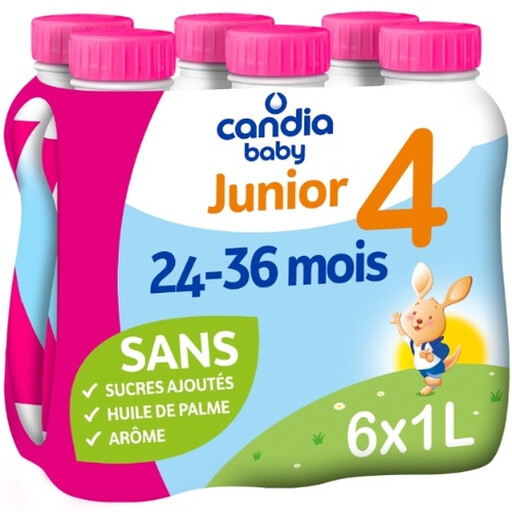 Image unavailable
A multipack of cartons to consider if you’re looking for milk for snack time rather than a soya drink. Check the age stated on the packaging and, if your child has an allergy or specific dietary needs, ask a health professional for advice.
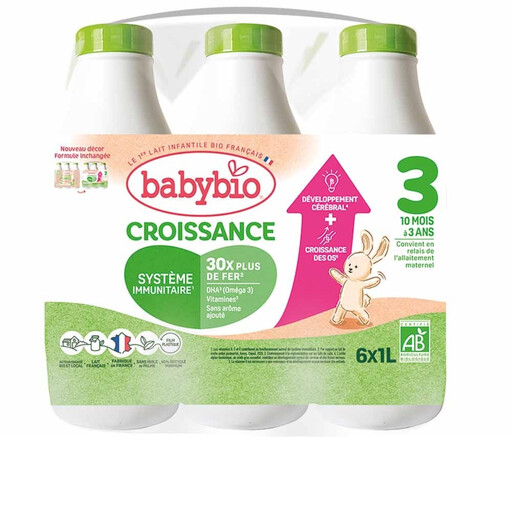 Image unavailable
The six-carton liquid format may suit you if you’re looking for growing-up milk that doesn’t need to be made up from powder. Check the age stated and the ingredients before giving it to your child.
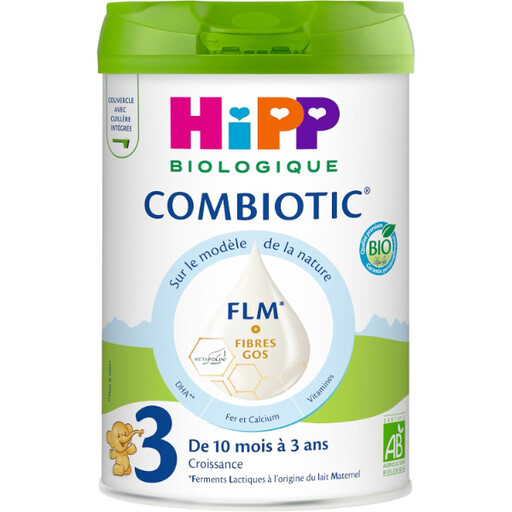 Image unavailable
According to the product name, this tin of powdered milk is for children aged 10 months to 3 years. For snack time, bear in mind that it needs to be prepared and follow the instructions on the packaging.
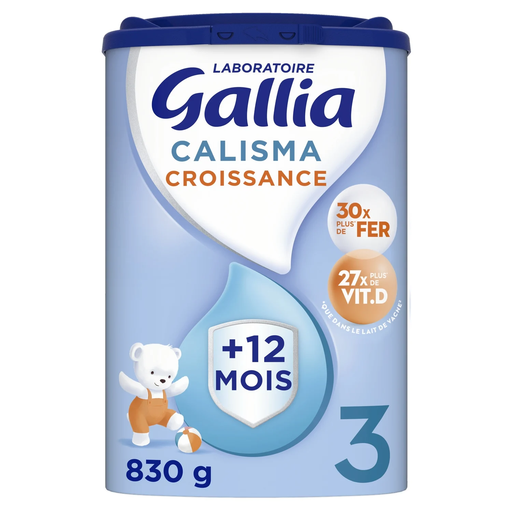 Image unavailable
This powdered growing-up milk is intended for children from 12 months, according to the product information. Choose it only if the preparation time works for you, and follow the instructions on the tin.
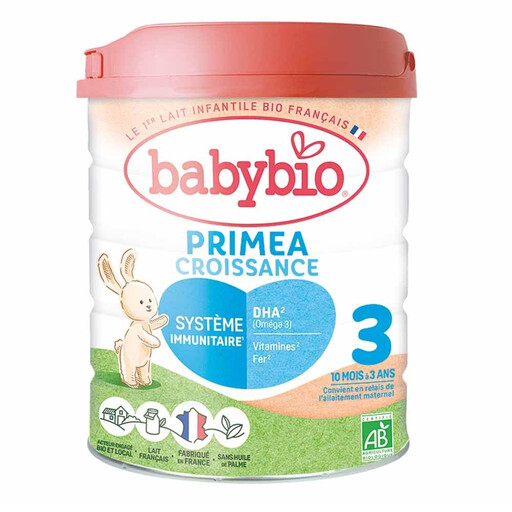 Image unavailable
This tin may suit families preparing growing-up milk at home for a child who has reached the stated age. If your child has an allergy or needs to strictly avoid soya, check the ingredients and seek appropriate advice before buying.
Not for a snack for a child under 3: Public Health France advises against soya-based products before this age. Adding calcium or vitamin D doesn’t make an exception to this guidance.
According to Manger Bouger, water is the only essential drink. For milk after the age of 1, its guidance recommends growing-up milk until 3 if possible, and mentions the option of alternating with whole UHT milk under certain conditions. If your child has an allergy or a specific medical condition, ask a health professional for advice.
No. On its own, it doesn’t tell you whether a drink is suitable for a child under 3. If it’s soya-based, Public Health France’s guidance for this age remains the key consideration.
Compare the ingredients list, highlighted allergens, nutritional information, quantity and date on each product. This helps you tell the recipes apart and choose a volume that suits how you plan to use it.