Guests looking for a ‘low fat’ option
You want to check the drink’s total fat content without confusing this with a ‘sugar-free’ claim or information about saturated fatty acids.


If you’re looking for a soya drink that is ‘low fat’, compare total fat per 100 ml: the limit for liquid foods in the European Union is 1.5 g per 100 ml, and Carrefour France lists exactly this amount for Carrefour Sensation. If you’re cooking or serving several guests, also check the sugars, ingredients and whether soya is listed as an allergen. A plain or unsweetened drink won’t necessarily meet the same limit.
You want to check the drink’s total fat content without confusing this with a ‘sugar-free’ claim or information about saturated fatty acids.
For a Sunday quiche or sauce, you’re looking for a plain soya drink and checking the sugars, flavourings and ingredients before adding it to your recipe.
You want to check the nutritional values and any added calcium or vitamins, while comparing the fat content separately.
For Sunday lunch, start with your priority: meeting the ‘low fat’ criterion, choosing a base for a savoury dish or comparing other nutritional values. You can then check the nutrition declaration per 100 ml for the specific product you plan to serve.
| Criterion | What to check | Who it’s for |
|---|---|---|
| Total fat | For a ‘low fat’ claim, compare the value per 100 ml with the 1.5 g limit for liquids set out in the Annex to Regulation (EC) No 1924/2006. | If I really want to limit the fat in the drink I serve, the ‘fat’ line takes priority over other claims on the packaging. Around 42% of consumers would prioritise this criterion. |
| A base for cooking | Check the ingredients, flavourings and sugars in the recipe you’ve chosen; check the fat content separately. | For my quiche or sauce, I’m looking for a drink whose ingredients suit a savoury dish. This culinary suitability would be the priority for around 33% of consumers. |
| Other nutritional values | Compare protein and, if the drink is fortified, calcium and vitamins on the same per-100 ml basis. | If I’m also serving the drink at the table, I want to compare its protein and any added nutrients without confusing them with its fat content. Around 25% of consumers would prioritise this information. |
Information about saturated fatty acids doesn’t answer the question of total fat. Auchan France lists 2.8 g of fat per 100 ml for Alpro Soja Riche en Protéines, which is above the limit for a ‘low fat’ claim on a liquid.
If this claim is what matters to you, check the ‘fat’ line per 100 ml first.
Sugar and fat content are two separate pieces of information. Bjorg lists 2.6 g of fat per 100 g for its Soja Sans Sucres drink.
Compare each nutritional value that matters for your meal, using the unit shown for the product you’re buying.
A plant-based drink made from soya isn’t suitable for someone with a soya allergy, even if it meets your other criteria.
Before serving several guests, check the ingredients and allergen information on the carton you’ve chosen.
Carrefour France lists 1.5 g of fat per 100 ml for its Sensation product. This is the European limit for a ‘low fat’ claim on a liquid.
Auchan France offers a plain organic drink whose listed ingredient is organic soya juice, as well as a standard soya drink.
Auchan France’s product information for Alpro Soja Riche en Protéines lists 5 g of protein and 120 mg of calcium per 100 ml.
Bjorg offers a Soja Sans Sucres drink and a Protéines Soja drink, which should be considered as two distinct recipes.
Carrefour France’s product information for Sojasun Sans Sucres lists soya juice as an ingredient and presents the drink as suitable for sweet or savoury recipes.
This pack of soya drinks could be worth considering if you need several portions for your meal. If you’re choosing based on the ‘low fat’ criterion or for a savoury recipe, check the product’s nutritional values and ingredients before using it.
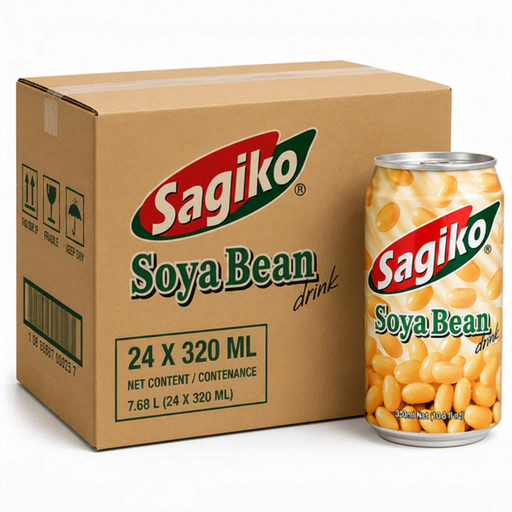 Image unavailable
The pack of 24 320 ml cartons makes it easy to plan portions for several guests. If you’re looking for a low-fat drink or a base for a savoury dish, check the fat per 100 ml, as well as the sugars, flavourings and allergens, on the product you buy.
Check its fat content per 100 ml: for this claim on liquids in the European Union, the Annex to Regulation (EC) No 1924/2006 sets a maximum of 1.5 g per 100 ml. Compare the value for the specific product you plan to buy.
No. ‘Sugar-free’ doesn’t tell you the fat content. Bjorg lists 2.6 g of fat per 100 g for its Soja Sans Sucres drink, so check both values separately and keep to the units shown.
A plain recipe may work if its ingredients and flavourings suit the dish you’re making. Auchan France lists organic soya juice for its plain organic drink, while Carrefour France presents Sojasun Sans Sucres as suitable for sweet and savoury recipes. Check the allergens before serving, too.
No. It shouldn’t be used in place of breast milk or infant formula. In its advice concerning children from birth to one year, Anses highlights the risks of replacing these with drinks that aren’t specially designed for them.