Households planning several snacks
If this drink is a regular part of your shopping, check the volume of each carton and how much your household can use after opening.


If you regularly serve soya drink at snack time, start by choosing the recipe: go for plain if you prefer a short ingredients list, one with added calcium and vitamin D if those details matter to you, or a flavoured option if its taste is worth the different ingredients. Then compare the volume of each carton and the storage instructions once opened: several 1 L cartons are not the same as a 2 L bottle.
If this drink is a regular part of your shopping, check the volume of each carton and how much your household can use after opening.
A short ingredients list may matter more to you than a vanilla or chocolate flavour. Compare the ingredients and sugars per 100 ml for each product.
If you’re comparing protein, calcium or vitamin D, check the nutritional information for the recipe you’ve chosen rather than relying on the brand alone.
Start with what matters most to your household, then check that the recipe and packaging suit the way you plan to use it.
| What to consider | What to check | Who this matters to |
|---|---|---|
| Pack size and storage | Volume of each carton; refrigeration instructions and how long it keeps after opening. | For several snacks, I want to buy an amount my household can finish after opening. Around 29% of consumers put pack-size planning first. |
| Plain recipe | Ingredients, flavourings and sugars per 100 ml. | If I prefer a lightly flavoured drink for everyday use, the ingredients matter more than the flavour. This is the top priority for around 29% of consumers. |
| Nutritional values | Protein, calcium or vitamin D per 100 ml, depending on what you’re looking for; ingredients for the same product. | When I’m looking for a specific nutritional value, I compare recipes rather than relying on claims on the front of the pack. Around 24% of consumers prioritise this. |
| Flavour | Flavour, ingredients and sugars per 100 ml. | If I want to serve a chocolate or otherwise flavoured drink at snack time, I’m happy to consider a different recipe from the plain version. Around 18% of consumers would put flavour first. |
A multipack of cartons and a large bottle are stored and used differently once opened.
Check the volume shown for each carton, then check how many cartons are in the pack.
According to Auchan’s product information for the two options, the chocolate soya drink contains 8.9 g of sugars per 100 ml, compared with 2.5 g per 100 ml for the plain version.
Compare the sugars line and ingredients for the recipes you’re actually considering buying.
According to the product information presented by Auchan, the Sojasun option with added calcium and vitamin D, and Alpro’s option listing 5 g of protein per 100 ml, also contain sugar.
Check the value you’re interested in and the ingredients list for the same product.
Bio Village’s product information from E.Leclerc states that this drink is not suitable as a replacement for breast milk or infant formula for babies under one.
For a baby’s diet, ask a healthcare professional for advice rather than making this substitution.
The 1 L soya drink listed by Auchan is worth comparing if you’re looking for a product with a stated protein content.
The 1 L product listed by Auchan combines soya with added calcium and vitamin D.
The 1 L organic plain soya drink is worth considering if the ingredients are your main priority.
The 1 L options listed by the retailer include plain and chocolate versions.
The 1 L organic plain option listed by E.Leclerc is for people who want to check a short ingredients list.
These products come in 1 L cartons or individual portions, sold singly or in multipacks. For regular snacks, distinguish the total volume of the pack from the volume of each carton, and choose a flavour that suits how you’ll use it.
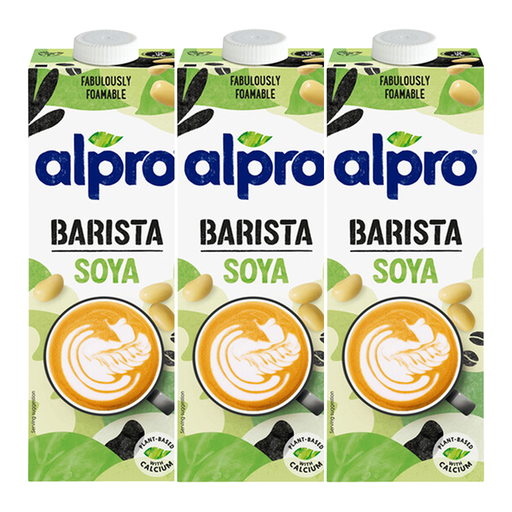 Image unavailable
For several snacks, this pack splits the drink across three 1 L cartons.
This is the Barista recipe: check the ingredients and storage instructions after opening if you’re looking for a plain drink with a short ingredients list.
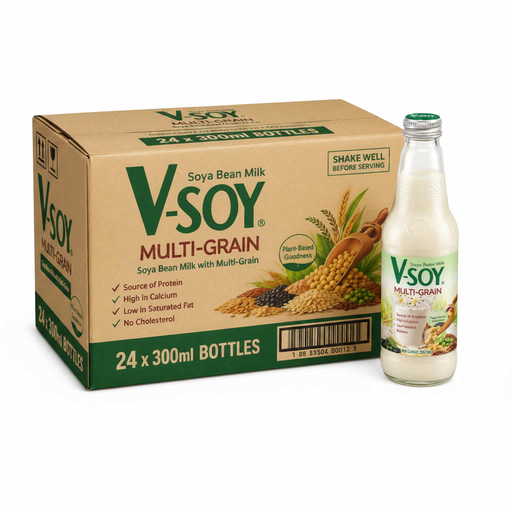 Image unavailable
The individual cartons make it easy to plan separate portions for several snacks.
The Multi-Grain option isn’t a plain soya recipe. If particular grains or allergens matter to your household, check the ingredients list on the packaging.
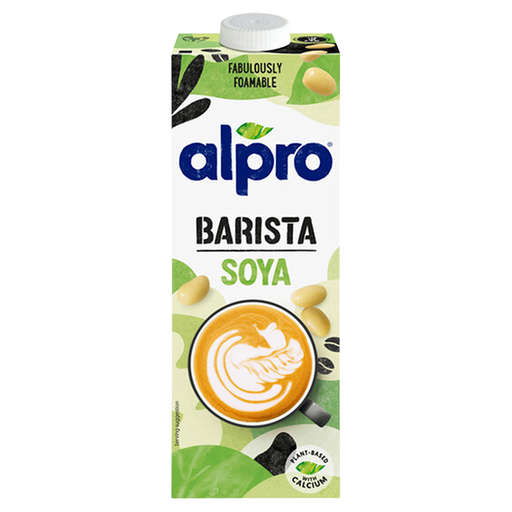 Image unavailable
This 1 L carton is a good option if you’d rather buy a single carton than a multipack for snacks at home.
Check the Barista recipe and instructions for after opening if a short ingredients list or how quickly you’ll use it is important to you.
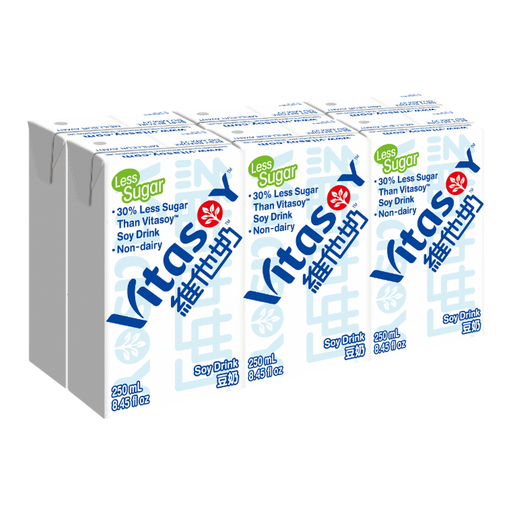 Image unavailable
The six 250 ml cartons are ideal if you need individual portions for snack time.
Less Sugar is part of this option’s name: check the sugars per 100 ml on the label rather than assuming it’s sugar-free. Also check the protein content on the packaging.
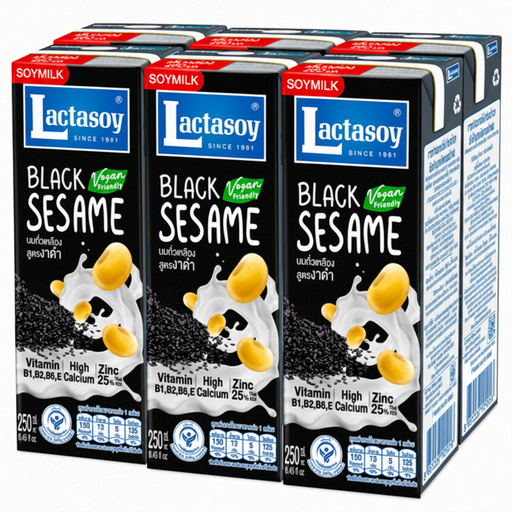 Image unavailable
This pack of six individual portions is for households looking for a black sesame soya drink rather than a plain version.
Sesame is in the recipe name; check the ingredients, allergens and sugars per portion on the packaging before serving.
The plain Auchan and Sojasun products listed by Auchan should be refrigerated after opening and used within five days. Follow the instructions on the carton you buy, as they can vary from one product to another.
No: the total volume of a multipack isn’t the same as the volume of a single container. If you specifically want a 2 L bottle, check the capacity on the product page and packaging. The 1 L options listed by Auchan, Carrefour and E.Leclerc are a different pack-size choice.
Not for the Bio Village product for a baby under one: its E.Leclerc product information states that it isn’t suitable as a replacement for breast milk or infant formula. Ask a healthcare professional for advice about feeding a baby.
Don’t automatically apply a choice made for your household to group catering. In guidance published in March 2025, Anses recommends not serving soya-based foods in group catering to avoid excessive isoflavone consumption. This recommendation isn’t a general conclusion about every household purchase.