People comparing protein per glass
If you want your drink to contribute to a meal or snack, check the protein content per 100 ml and then work out how much is in the portion you actually drink. Don’t rely on the recipe name alone.


If you want your drink to contribute more to your protein intake, compare the protein content per 100 ml with the amount you actually drink. The Alpro option featured by Auchan contains 5 g per 100 ml, compared with 3.5 g for Auchan Bio and 3.7 g for Bio Village, according to their product details. A plain recipe may suit you better if ingredients are your priority. Depending on how you plan to use it, also check the sugars, ingredients and any added calcium or vitamins.
If you want your drink to contribute to a meal or snack, check the protein content per 100 ml and then work out how much is in the portion you actually drink. Don’t rely on the recipe name alone.
If you’re using it with cereal, in coffee or for cooking, a short ingredients list can help you choose. Also compare the sugar and protein values shown on the carton.
A plant-based drink won’t necessarily have the same nutritional profile as the drink it replaces. Check the ingredients, allergens and stated amounts of calcium and vitamins.
Start by deciding whether your priority is the amount of protein in your glass, the recipe itself or added nutrients. Then compare the values per 100 ml and per your usual serving.
| Criteria | What to check | Who is it for? |
|---|---|---|
| Protein per serving | Compare the protein per 100 ml, then calculate it for the amount you drink. Auchan lists 5 g/100 ml for the Alpro option featured and 3.5 g/100 ml for Auchan Bio; E.Leclerc lists 3.7 g/100 ml for Bio Village. | When I want my drink to provide a larger share of the protein in my snack, the amount in my glass matters more than a simple recipe. Around 42% of consumers prioritise this. |
| Recipe and sugars | Read the ingredients and check the sugars per 100 ml. Auchan describes its plain Auchan Bio drink as organic soya juice; E.Leclerc lists 0.7 g of sugars/100 ml for plain Bio Village. | If I use the drink regularly with cereal or in cooking, I prefer to choose based on the ingredients and sugar content first. Around 33% of consumers share this priority. |
| Calcium and vitamins | Check the amounts in the nutritional information for the product you choose. Auchan lists 120 mg of calcium/100 ml and vitamins D, B12 and B2 for the Alpro option featured. | If I’m replacing a dairy drink, I want to know exactly which nutrients have been added, rather than assume all recipes are alike. Around 25% of consumers put this check first. |
Auchan and E.Leclerc list 3.5 to 3.7 g of protein/100 ml for the two plain recipes mentioned, compared with 5 g/100 ml for the Alpro option featured by Auchan. The difference per glass depends on how much you pour.
Compare the same volume of each drink, then calculate the protein in your usual serving.
The recipes featured differ in their ingredients, sugars and added nutrients. You should also check for the soya allergen in a soya drink.
Check the ingredients, allergens and nutritional information on the packaging of the product you buy.
Being able to view a product page doesn’t guarantee that the product is available at your chosen store.
Check its availability with the store or through its click-and-collect service before you set off.
Bio Village’s E.Leclerc product information states that this drink is not suitable as a replacement for breast milk or infant formula for babies under one year old.
For feeding a baby, ask a healthcare professional for advice rather than replacing their usual milk with this drink.
The soya option featured by Auchan contains 5 g of protein per 100 ml, which may appeal if protein content is your first point of comparison.
The organic plain soya drink featured by E.Leclerc is for anyone who wants to compare a plain recipe and its nutritional values.
The organic plain soya drink featured by Auchan highlights a recipe described as being made with organic soya juice.
This selection includes ready-to-drink individual portions and a powder that you mix with water. If you’re choosing based on protein, compare the serving sizes and stated protein content rather than assuming these products match the plain recipes or the Alpro option described above.
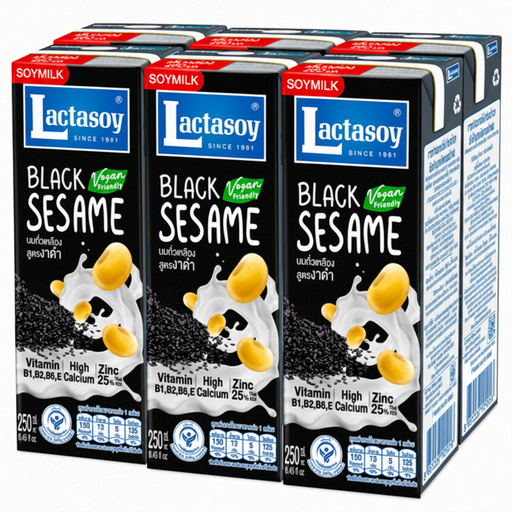 Image unavailable
A pack of 250 ml servings if you’re looking for a ready-to-drink option.
The product information lists 7.7 g of protein and 13 g of sugars per 250 ml serving. The recipe combines soya and black sesame, so check the allergens on the packaging.
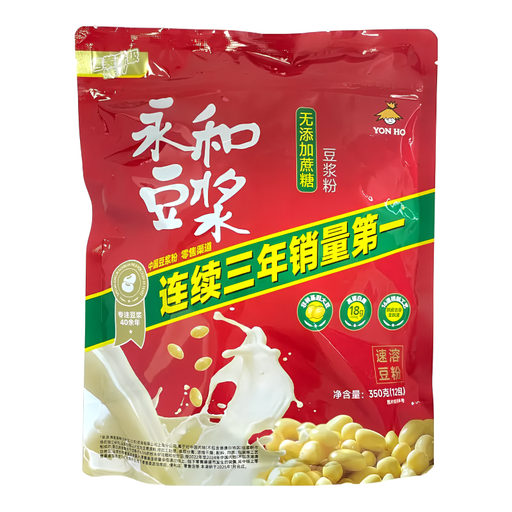 Image unavailable
A powder to mix with water if you prefer to make your drink when you need it rather than open a ready-to-drink carton.
The product information lists 8 g of protein per 25 g serving of powder and suggests mixing it with 200 ml of water. Although ‘Unsweetened’ appears in the original product name, the ingredients include malt syrup, so check the sugars on the packaging.
 Image unavailable
A ready-to-drink individual carton if you’d like to buy this size without the six-pack featured above.
The product information lists 2.64 g of protein and 5.16 g of sugars per 100 ml. Check for soya and black sesame allergens. Once opened, the product information says to keep it in the fridge and consume within two days.
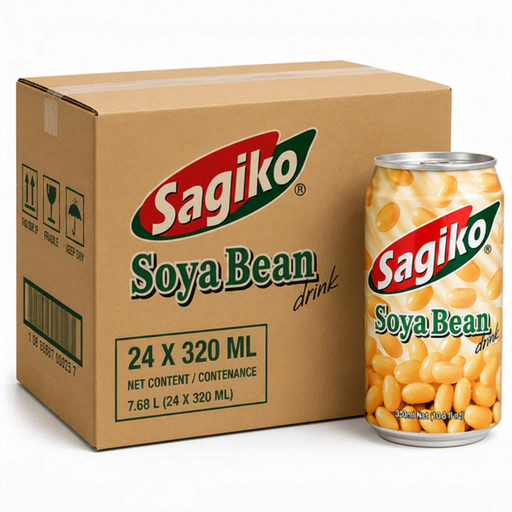 Image unavailable
A pack of individual servings to consider if 24 containers suit the way you use the drink.
The product information lists 2.5 g of protein and 8.4 g of sugars per 100 ml. Soya is listed as an allergen.
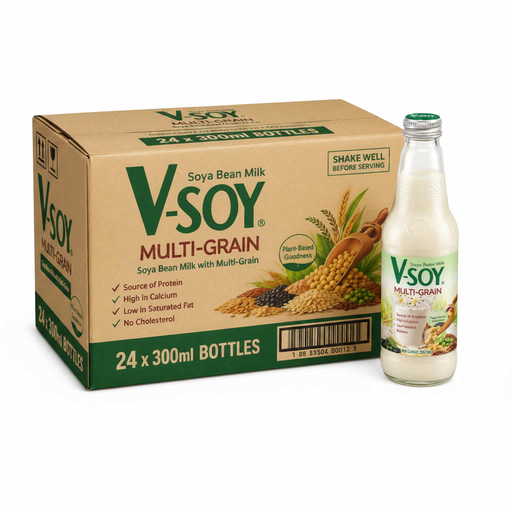 Image unavailable
A multipack of individual cartons if you’re looking for a multi-grain soya drink in this format.
The product information lists 2.4 g of protein and 6.5 g of sugars per 100 ml. The recipe contains barley and may contain traces of other cereals containing gluten, so check the allergens on the packaging.
Read the full ingredients list and any allergens highlighted on the packaging rather than relying on the drink’s name alone. For prepacked foods in France, the Ministry of the Economy states that allergens must be listed and highlighted. Also check for soya if this allergen is a concern for you.
Not for the products compared here: Auchan lists 3.5 g/100 ml for Auchan Bio and 5 g/100 ml for the Alpro option featured, while E.Leclerc lists 3.7 g/100 ml for Bio Village. Multiply the value per 100 ml by the amount you actually drink to compare your servings.
Check whether calcium has been added and how much it contains if fortification is one of your criteria for replacing a dairy drink. Auchan lists 120 mg of calcium/100 ml for the Alpro option featured. Don’t assume plain recipes have the same value without checking their nutritional information.
No. Bio Village’s E.Leclerc product information states that it is not suitable as a replacement for breast milk or infant formula for babies under one year old. Ask a healthcare professional for advice about feeding a baby.