Families comparing sugar content
If the drink will be served at several snack times, start by comparing unflavoured recipes and the sugar content per 100 ml. Don’t assume a recipe is low in sugar just because it’s described as ‘smooth-tasting’.


For a holiday snack, compare the ingredients and sugars per 100 ml before choosing a soya drink described as ‘smooth-tasting’. An unflavoured recipe avoids added sugar, while a flavoured one may suit your taste preference without necessarily containing less sugar. Also consider your child’s age, any soya allergy and the other soya foods they eat. Ordinary soya drinks are not a substitute for infant formula.
If the drink will be served at several snack times, start by comparing unflavoured recipes and the sugar content per 100 ml. Don’t assume a recipe is low in sugar just because it’s described as ‘smooth-tasting’.
If you’d like to try a vanilla or other flavoured option, check whether the recipe contains added sugar too. A taste preference alone doesn’t tell you how much soya to include in your child’s diet.
Soya is important to consider if your child has an allergy. For younger children, also check what the drink is intended for: ameli recommends continuing with infant formula until one year of age, while Anses advises against excessive consumption of soya products.
Start with age and allergies, then compare the recipe, taste and pack size according to how the drink will be served during the holidays.
| Criteria | What to check | Who is it for? |
|---|---|---|
| Age, allergies and other soya foods | Check the allergens, your child’s age and the other soya products in their diet. Ordinary soya drinks should not replace infant formula. | If the snack is for a young child or an allergy is a concern, I need to clarify these points before choosing based on taste. Around 36% of consumers might put this precaution first. |
| Sugars and ingredients | Compare ‘of which sugars’ per 100 ml and look for added sugar in the ingredients list, even if the drink is described as ‘smooth-tasting’. | If the drink is a regular snack-time choice, I want to know how much sugar the recipe contains rather than relying on its name. This comparison might be a priority for around 29% of consumers. |
| Smooth taste | Distinguish between an unflavoured recipe and one with vanilla or another flavour, and check the ingredients too. | When introducing the drink, I might look for a flavour my child will enjoy, while still considering its sugar content. Taste might come first for around 21% of consumers. |
| Pack size and storage | Choose a volume that suits how much will be consumed, and check the carton for how long the drink keeps after opening. | For an outing or occasional use, I prefer a suitable pack size so I don’t leave a large carton open unnecessarily. Around 14% of consumers might make this their main criterion. |
A smooth taste doesn’t tell you how much sugar a drink contains. The product details for Bjorg Soja Douceur and Sojasun Nature give sugar contents of 2.9 g and 0.1 g per 100 ml respectively for these specific recipes.
Compare the ‘of which sugars’ line and the ingredients in the drink you plan to buy, especially if it will be a regular snack-time choice.
Bio Village states that its drink is not suitable as a replacement for breast milk or infant formula for babies under one year old. Ameli recommends continuing with infant formula until this age.
For a baby, or if you have questions about a young child’s diet, ask a healthcare professional for advice rather than making this substitution.
Soya is an allergen. Anses also recommends not serving soya-based foods in collective catering to avoid excessive isoflavone intake; this recommendation doesn’t set a home consumption frequency for every child.
Before offering the drink, consider any allergies, your child’s age and the other soya foods they eat.
An individual portion is handy to take out, but its size doesn’t tell you what’s in it. Joybuy’s product details for the 320 ml Sagiko drink give a sugar content of 8.44 g per 100 ml.
Compare the sugar content per 100 ml even when the pack size suits an outing.
Sojasun’s Boisson Soja Nature can be used as a benchmark for an unflavoured recipe.
The range includes Soja Douceur, a recipe that’s different from an unflavoured drink with no added sugars.
Carrefour Bio’s organic unflavoured soya drink provides an option for comparing an unflavoured recipe in a 1 L carton.
Bio Village’s organic unflavoured soya drink with no added sugars is another 1 L option to consider.
The Auchan soya drink mentioned here is an option to consider if you’re looking for a recipe described as a source of calcium.
These small cartons and individual portions are best suited to snacks on the go. Their flavours and recipes vary, so a convenient pack size is no reason to skip comparing sugars or considering age and allergies.
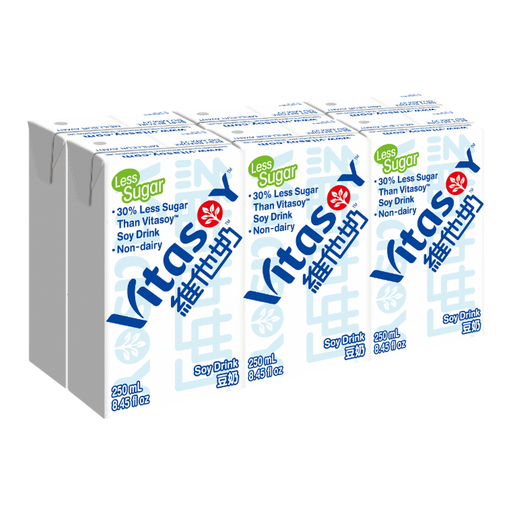 Image unavailable
The six 250 ml cartons are a handy option if you’re looking for portions to take out.
The recipe contains soya, sugar and fructose. ‘Less Sugar’ alone isn’t enough to compare its sugar content with another drink: check the values per 100 ml on the packaging.
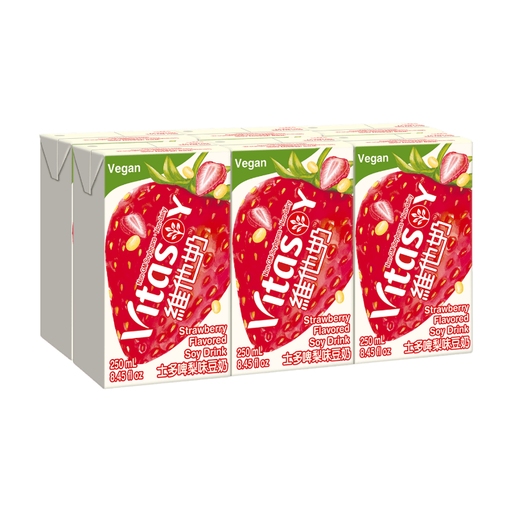 Image unavailable
The strawberry flavour and six 250 ml cartons make this a flavoured drink option to take out.
The recipe contains soya and sugar. To compare its sugars with an unflavoured version, use figures on the same basis, such as per 100 ml.
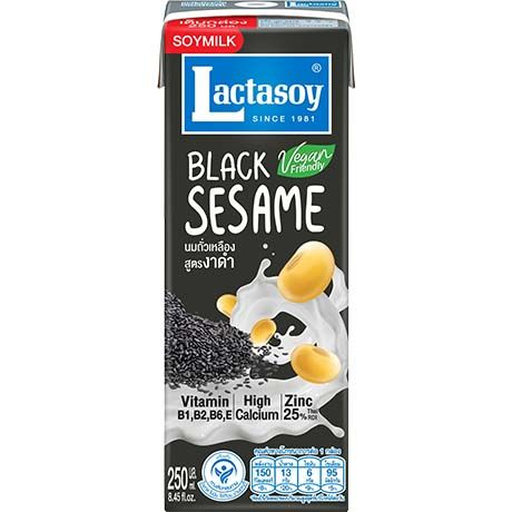 Image unavailable
The 250 ml portion could suit an outing if you’re looking for a soya drink with black sesame.
The recipe contains soya, black sesame and sugar. Check the allergens and compare sugars per 100 ml before choosing it for a snack.
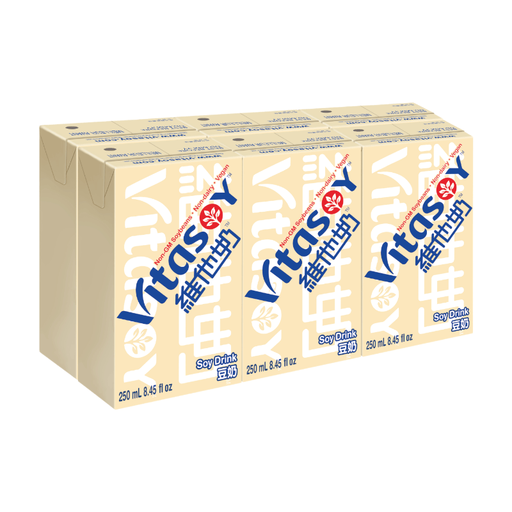 Image unavailable
The six 250 ml cartons provide individual portions for a snack on the go.
This recipe contains soya and sugar. If sugar content is a key factor in your choice, compare the figure per 100 ml on the packaging with those of the other drinks you’re considering.
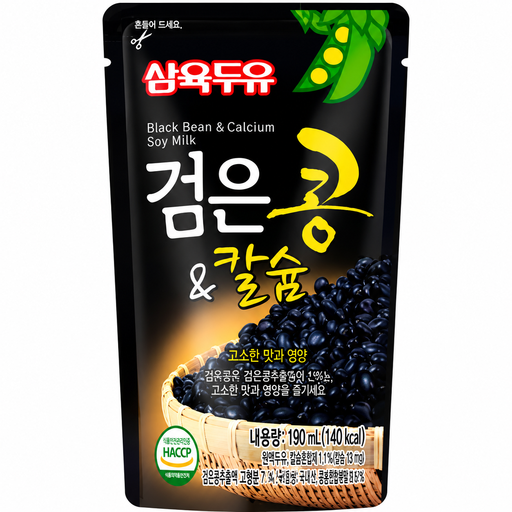 Image unavailable
The 190 ml carton is a small individual portion with black bean flavour.
The recipe contains soya and sugar. The calcium mentioned in the name doesn’t replace checking the ingredients or make this drink a substitute for infant formula.
No. Ordinary soya drinks should not replace infant formula. Bio Village explicitly states that its drink isn’t suitable for babies under one year old, and ameli recommends continuing with infant formula until this age. If you have questions about your baby’s diet, ask a healthcare professional for advice.
No. This claim relates to added sugars, not allergens: soya drinks contain soya, which matters if you have an allergy. Read the ingredients list and allergen information for the product you choose.
An unflavoured drink is suitable if you’re looking for a recipe with no added sugar and your child likes the taste; a flavoured version may suit a different taste preference. Still, compare the ingredients and sugars per 100 ml: Bjorg Soja Douceur’s product details list cane sugar and 2.9 g of sugars per 100 ml. In either case, consider your child’s age, allergies and the other soya products they eat.
Follow the storage instructions and timings on the carton you buy, as they vary by recipe. The guidance we found for Bjorg Nature and the Auchan drink is four days and five days after opening respectively; for Auchan, the stated storage conditions are refrigerated at between 0 °C and +6 °C.