People avoiding dairy products
Whether you’re choosing a drink for breakfast, coffee or cooking, check the ingredients and allergen information on the carton. A ‘lactose-free’ label alone does not answer every question about what’s in it.


For dairy-free shopping, choose a soya drink after checking its ingredients and allergen information: soya is itself an allergen. If you regularly drink it instead of a dairy drink, compare the calcium and vitamin fortification. For cooking, focus instead on added sugars and ingredients. Organic certification is a separate consideration and, on its own, does not tell you about these features.
Whether you’re choosing a drink for breakfast, coffee or cooking, check the ingredients and allergen information on the carton. A ‘lactose-free’ label alone does not answer every question about what’s in it.
If soya drink often takes the place of a dairy drink, compare the nutritional information and whether it is fortified with calcium, vitamin D and, potentially, vitamin B12. Santé publique France reminds consumers that plant-based drinks are not automatic nutritional substitutes for animal milk.
An unflavoured recipe can be used in a range of dishes. Before choosing, compare the ingredients, the ‘no added sugars’ claim if that matters to you, and the carton size.
When buying soya drink for the week, start with the ingredients and allergens, then compare options based on how you plan to use them: for regular drinking, cooking or your preference for organic products.
| Criteria | What to check | Who it matters to |
|---|---|---|
| Ingredients and allergens | Read the ingredients list and allergen information, particularly for milk and soya. | If I avoid dairy products, I need to check the carton I buy and remember that soya is a separate allergen. Around 31% of consumers put this need first. |
| Calcium and vitamins | Compare the stated fortification and values per 100 ml, particularly for calcium and vitamins D and B12. | If I regularly drink a plant-based drink, I want to know which nutrients are actually listed on the label. Around 25% of consumers put this criterion first. |
| Sugars and recipe | Check whether sugar appears in the ingredients, the ‘sugars’ line and the ‘no added sugars’ claim if you’re looking for one. | When cooking with an unflavoured drink, I prefer to compare the ingredients before choosing a recipe, rather than relying on its name alone. Around 25% of consumers prioritise this aspect of the ingredients. |
| Organic and pack size | Look for organic certification if you want it, and check the volume and number of cartons in the pack. | To plan how I’ll use it during the week, I check whether the pack size suits me and whether the product meets my preference for organic. Around 19% of consumers put these criteria first. |
These claims are no substitute for checking the specific product you’re buying. The DGCCRF states that allergenic ingredients in prepacked foods must be highlighted; milk and soya should be checked separately.
Read the ingredients and allergen information on every pack, especially if the recipe or pack size changes.
Santé publique France distinguishes plant-based drinks from animal milk in nutritional terms. Soya drinks can also vary in composition.
If calcium, vitamin D or vitamin B12 are important to you, compare the fortification and nutritional values on each carton.
The Carrefour product page for the Alpro product reviewed lists sugar, while the Sojasun ‘No Sugars’ page lists soya juice as an ingredient. So the category name alone won’t help you choose between recipes.
If you also plan to cook with the drink, compare the ingredients list, the ‘no added sugars’ claim and the ‘sugars’ line in the nutritional information.
Organic certification relates to production standards; on its own, it doesn’t tell you whether a soya drink is fortified or how much sugar it contains, or what allergens it includes.
Once you’ve found an organic product, check its recipe, nutritional information and allergen details separately.
A 1 L soya drink listed by Carrefour states that it is fortified with calcium and vitamins D2, B2 and B12.
The Carrefour product page for an unflavoured organic soya drink lists organic soya juice and a 1 L carton.
E.Leclerc lists a 1 L unflavoured organic soya drink with a ‘no added sugars’ claim.
The Carrefour product page for the 1 L ‘Lait Soja Sans Sucres’ lists soya juice as an ingredient.
This selection includes individual cartons, recipes combining soya with other ingredients, and a range of pack sizes. If you’re shopping for dairy-free options, check the product label before choosing, especially if allergens or fortification are key to your decision.
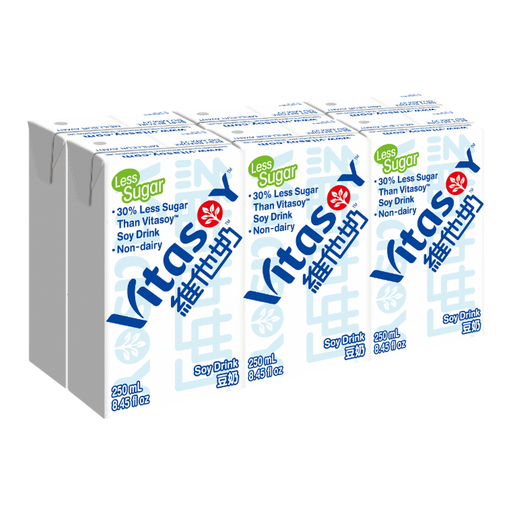 Image unavailable
The six individual cartons could be a good choice if you want to spread your drinks over several days. ‘Less Sugar’ doesn’t mean ‘no added sugars’, so check the ingredients and allergen information on the pack.
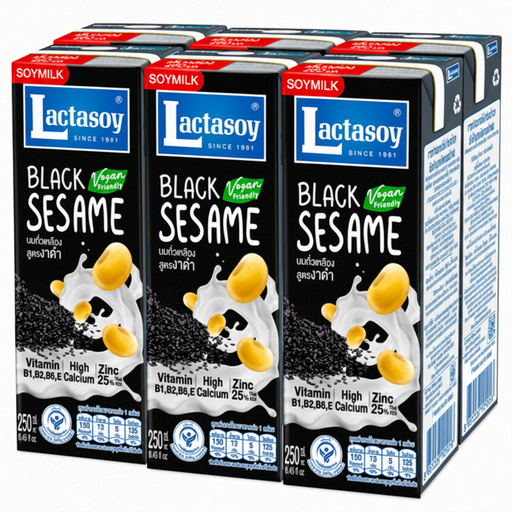 Image unavailable
This soya drink with black sesame comes in a pack of six individual cartons. If you’re looking for specific fortification, compare the calcium and vitamin values on the label. Also check the allergens in this sesame recipe.
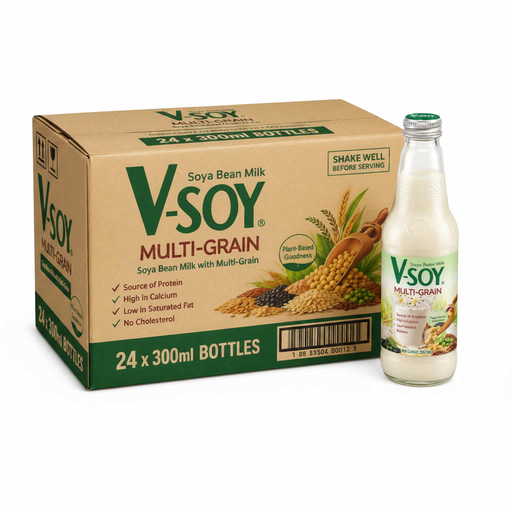 Image unavailable
The pack of 24 cartons could suit you if you want portions spread across the week. This is a multigrain recipe, rather than an unflavoured soya drink. If you need to avoid gluten, check the label for barley.
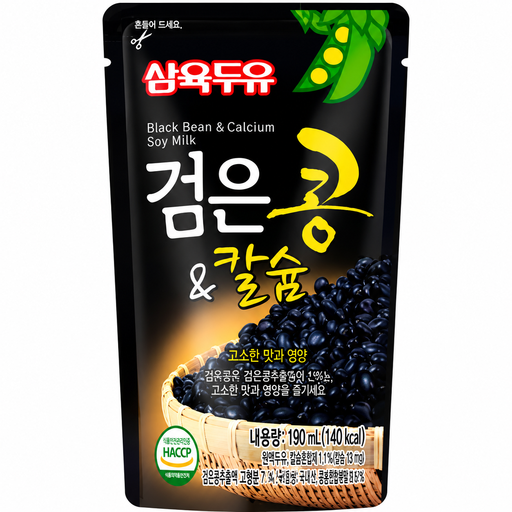 Image unavailable
The 190 ml size could suit you if you’re looking for a smaller portion. Calcium appears in the product name, but check the amount stated on the pack before making it a deciding factor.
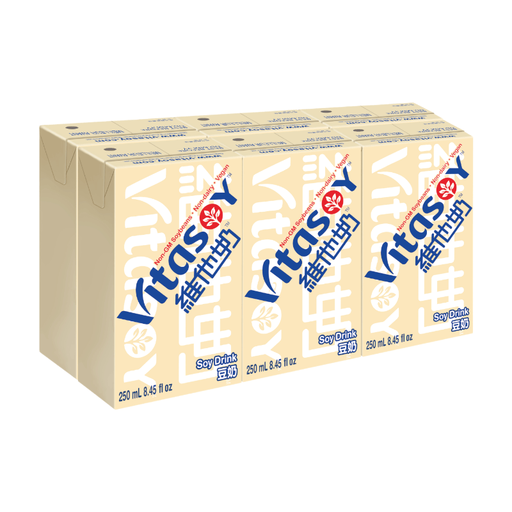 Image unavailable
This pack of six individual cartons is one pack size to consider for use throughout the week. ‘Original’ doesn’t tell you how much sugar it contains or whether it’s fortified, so check the nutritional information and allergen details on the carton being sold.
No. Check the ingredients and allergen information on the carton you choose rather than relying on the drink’s name alone. The DGCCRF states that allergenic ingredients must be highlighted on prepacked foods; milk and soya are two separate allergens.
Compare whether it’s fortified with calcium and vitamin D, and with vitamin B12 if you’re looking for that nutrient. Santé publique France explains that plant-based drinks are not automatic nutritional replacements for milk and recommends choosing options fortified with calcium and vitamin D, and potentially vitamin B12.
Organic certification relates to production standards; it doesn’t guarantee a particular amount of sugar, calcium or vitamins. For these details, as well as allergen information, read the label on the drink you choose.