Anyone making lactose-free bread
You’re replacing cow’s milk in bread dough. A soya drink labelled ‘lactose-free’ may meet this requirement, but it isn’t suitable for anyone with a soya allergy.


To make bread with a soya drink, choose an unflavoured version if you want to control the ingredients and the amount of sugars added to the dough. Check the ingredients list, the ‘of which sugars’ line and the allergen information separately: ‘lactose-free’ does not mean soya-free, and a short ingredients list is not enough to establish that a product is gluten-free.
You’re replacing cow’s milk in bread dough. A soya drink labelled ‘lactose-free’ may meet this requirement, but it isn’t suitable for anyone with a soya allergy.
You want to control the ingredients in your dough. Compare the ‘no added sugars’ claim, the ingredients list and the ‘of which sugars’ value per 100 ml: these tell you different things.
You need to check every ingredient in the bread. ‘Plant-based’ and ‘lactose-free’ don’t mean ‘soya-free’; nor does the absence of cereals from a drink’s ingredients list prove that it is gluten-free.
When making bread dough, start with the requirement you can’t compromise on, then compare the drink’s ingredients and the storage instructions for the rest of the carton. These checks relate to the drink: the flour, yeast and other ingredients also determine the composition of the finished bread.
| Criteria | What to check | Who it matters to |
|---|---|---|
| Allergens and free-from claims | Look for soya in the ingredients. If gluten must be excluded, check for an applicable gluten-free claim on the packaging and check the other bread ingredients too. | If I need to avoid an allergen, a ‘lactose-free’ claim alone doesn’t meet my needs. Around 42% of consumers put this check first. |
| Sugars and ingredients | Compare the ‘of which sugars’ value per 100 ml and the ingredients list. Choose an unflavoured version if you don’t want to add flavour to the recipe. | If I want to control the ingredients in my dough, I need to distinguish between no added sugars and the amount of sugars shown. Around 33% of consumers share this priority. |
| Use and storage | Check the cooking-use instructions and how long the drink will keep after opening. | If I only use part of the carton for my bread, I need to be able to use the rest within the stated time. Around 25% of consumers prioritise this practical consideration. |
A lactose-free soya drink still contains soya if it’s listed among the ingredients. So it isn’t suitable for anyone with a soya allergy.
First, identify the allergen you need to avoid. If it’s soya, check the ingredients and allergen information on another drink before using it in your bread.
This claim doesn’t mean the ‘of which sugars’ value is 0 g. Auchan’s product listings for the relevant unflavoured Sojasun and Bjorg products show 0.4 g and 0 g of sugars per 100 ml respectively.
Compare the value per 100 ml and the ingredients, especially if your recipe already contains sugar, honey or a sweet filling.
A list containing only water and soya doesn’t, by itself, tell you whether there may have been cross-contamination. The drink also doesn’t determine whether the flour or other bread ingredients are gluten-free.
If avoiding gluten is essential, check for an explicit claim on the drink and check every other ingredient separately.
Instructions vary by product: Auchan’s listings say to keep Bjorg refrigerated for four days after opening, and Sojasun and Auchan Bio for five days.
Follow the instructions on the carton you buy and plan another use for the rest if your bread only needs part of it.
These products give you examples of ingredients to compare when choosing a drink for bread; the characteristics of one drink don’t apply to every drink from the same brand.
The unflavoured soya drink featured by Auchan is intended for use in sweet and savoury cooking, among other things.
Bjorg describes its organic, unflavoured soya drink with no added sugars as suitable for use in recipes.
One Alpro soya drink featured by Auchan is fortified with calcium and vitamins D2, B2 and B12.
Carrefour’s organic, unflavoured soya drink contains soya juice made from water and organic soya beans.
E.Leclerc describes its organic, unflavoured soya drink as having no added sugars. It comes in a 1 l carton.
These two soya products are worth considering for cooking: one is a powder to prepare, and the other is an Alpro Soya Barista drink. To choose based on sugars, lactose or gluten, check the information for each product rather than relying on its category alone.
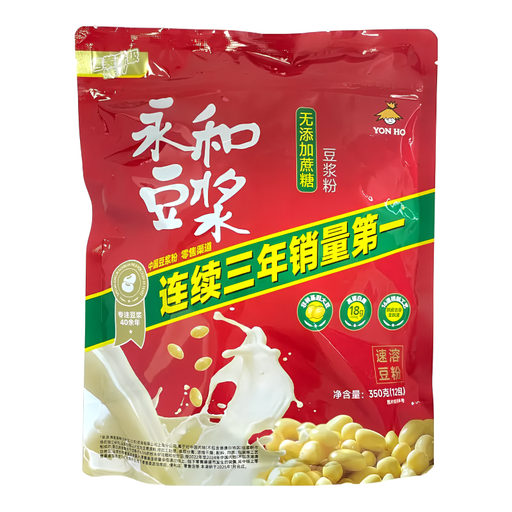 Image unavailable
This powder is presented as suitable for cooking if you prefer to make a drink from powder. The name ‘Unsweetened’ alone doesn’t confirm that it meets the ‘no added sugars’ requirement, so check the ingredients on the packaging. It contains soya; also check for any gluten-free claim required for your recipe.
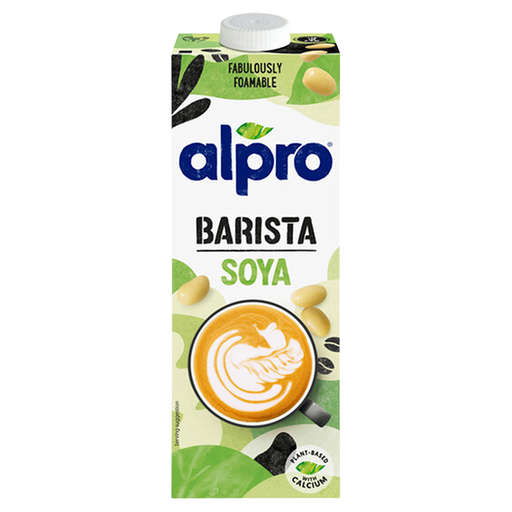 Image unavailable
This soya drink is presented as suitable for sweet or savoury recipes when you’re looking for a lactose-free drink. It contains soya and shouldn’t be assumed to be a no-added-sugars or minimal-ingredient product. If your bread needs to be gluten-free, check the claim on the packaging.
No: lactose-free doesn’t mean soya-free. For prepacked foods, the DGCCRF advises that allergenic ingredients must be highlighted; check the drink’s ingredients list before using it.
No: a short ingredients list isn’t enough to establish this. If your bread needs to be gluten-free, look for an applicable claim on the drink and check the flour, yeast and other ingredients too.
No. For the relevant unflavoured products, Auchan’s listings show 0 g per 100 ml for Bjorg and 0.4 g per 100 ml for Sojasun. Compare the ‘of which sugars’ line on the drink you plan to add to the dough.
Follow the instructions on the carton you buy. Auchan’s listings say to keep the relevant Bjorg product refrigerated for four days after opening, compared with five days for the Sojasun and Auchan Bio products. Plan how you’ll use the rest if your bread only needs part of the carton.