Parents mindful of taste and sugar
For a snack after physical activity, a pleasant flavour can make all the difference. However, Sojasun’s product information shows that vanilla flavour and sugar content are two separate things to consider.


For a post-exercise snack, choose a plain soya drink if you’re happy with an unflavoured taste and want to compare protein and sugar content easily. If a sweeter taste matters more, check the sugars in a flavoured version. If you’re looking for calcium or vitamin D, check whether the specific product is fortified. For a child, it’s also worth considering how often they’ll have it: the Anses recommendation on isoflavones applies to catering in collective settings, not a general ban on serving soya drinks at home.
For a snack after physical activity, a pleasant flavour can make all the difference. However, Sojasun’s product information shows that vanilla flavour and sugar content are two separate things to consider.
If the drink is being served alongside other foods, a plain version makes it easier to compare protein content without choosing based on flavour first. Anses highlights the role of protein in muscle tissue renewal, but a drink on its own does not make a complete snack.
If calcium or vitamin D is part of your decision, the nutrition declaration on each carton matters more than the word ‘soya’ alone. Check the ingredients, soya allergen information and storage instructions for the product you choose.
For a post-exercise snack, first decide whether taste, protein content or fortification is your priority. Then compare the figures using the same units, rather than assuming what’s in a drink from its name alone.
Consider it if: you’re happy with an unflavoured taste and want to compare protein and sugar content directly.
Bear in mind: a plain product isn’t necessarily fortified with calcium or vitamin D.
Consider it if: a particular flavour will make the drink more appealing at snack time.
Bear in mind: according to Sojasun, its vanilla version contains sugar and has 4.2 g of sugars per 100 ml, compared with 0.1 g in its plain version.
Consider it if: declared calcium or vitamin D content is important to you. Sojasun states that its Calcium + Vitamin D product contains 120 mg of calcium per 100 ml.
Bear in mind: this product also has 2.3 g of sugars per 100 ml. Fortification doesn’t mean you can skip the rest of the label.
| Criteria | What to check | Who it matters to |
|---|---|---|
| Taste and sugars | The ‘of which sugars’ figure per 100 ml and whether sugar is listed among the ingredients. | If I’m preparing a snack for a child, I want a flavour they’ll enjoy without mistaking vanilla for low sugar. Around 40% of consumers are said to make this balance their priority. |
| Protein | Protein per 100 ml and how much drink you plan to include in the snack. | After exercise, I’m looking for a drink to have alongside other foods, rather than expecting it to make a complete snack on its own. Protein content is said to be the top criterion for around 30% of consumers. |
| Fortification and family use | Declared calcium and vitamin D, as well as the ingredients and soya allergen information. | For my family, I want to know whether the carton is fortified and check its ingredients before adding it to snack time. Around 30% of consumers are said to put these checks first. |
According to Sojasun, its vanilla drink contains sugar and has 4.2 g of sugars per 100 ml, compared with 0.1 g in its plain drink. Flavour alone doesn’t tell you how much sugar a drink contains.
Before choosing a flavour, compare the ‘of which sugars’ figure and the ingredients on the same 100 ml basis.
Fortification varies by product. Sojasun lists calcium and vitamin D in its Calcium + Vitamin D drink, but those figures don’t apply to every soya drink.
If these nutrients matter to you, look for them in the nutrition information on the specific carton.
In March 2025, Anses recommended not serving soya-based foods in collective catering settings to avoid excessive isoflavone consumption. This recommendation is not a general ban on having soya at home.
If you’re serving a snack regularly, don’t choose a drink based only on claims such as ‘plant-based’ or ‘high in protein’. Consider what other soya foods your child eats too.
Soya is one of the allergens to look out for in the ingredients. Check the storage instructions for the specific product after opening.
Check the label before serving the drink and follow the storage temperature and time stated on the carton.
The brand offers plain and vanilla soya drinks, as well as a version fortified with calcium and vitamin D.
Carrefour offers an organic plain soya drink in a 1 L carton.
Bio Village, a Marque Repère brand, offers an organic plain soya drink with no added sugars in a 1 L carton.
Auchan offers an organic plain soya drink in a 1 L carton.
These individual cartons are best suited to anyone looking for a grab-and-go format or a flavoured option for a post-exercise snack. Their sugar information isn’t always given using the same units, so check the label before comparing them, particularly if you’re choosing a drink for a child.
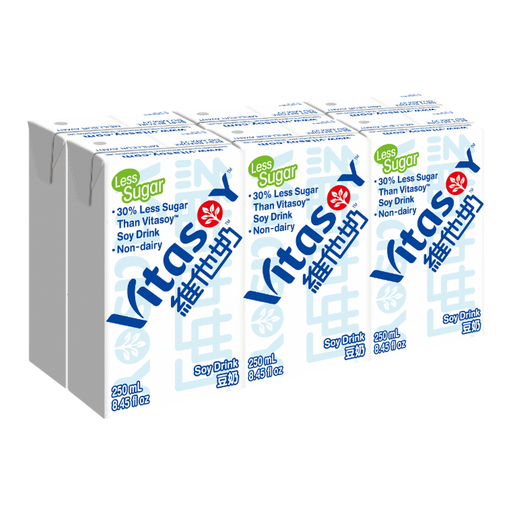 Image unavailable
The six individual cartons are handy if you want to take a portion with you for a snack. The product information states 2% added sugar. To check the total sugar content, look at the ‘of which sugars’ figure per 100 ml on the carton. Contains soya.
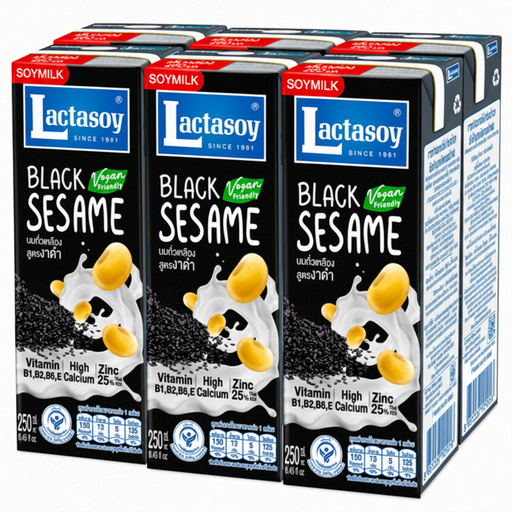 Image unavailable
This black sesame version is for anyone who prefers a flavoured drink in an individual portion. The product information lists 7.7 g of protein and 13 g of sugars per 250 ml carton, and includes sugar in the ingredients. Contains soya and sesame.
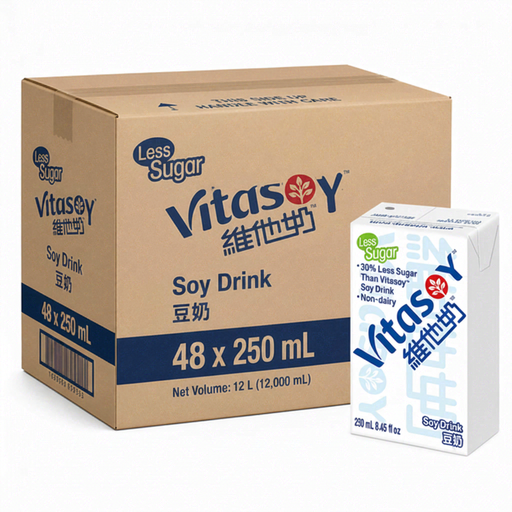 Image unavailable
The pack of 48 individual cartons may suit you if you’re looking for this format for several snacks. The product information states 2% added sugar, but gives the sugar figures per 100 g. Compare the label using the same units as other drinks. The description and nutrition table give conflicting protein information, so check the value and its units on the carton. Contains soya.
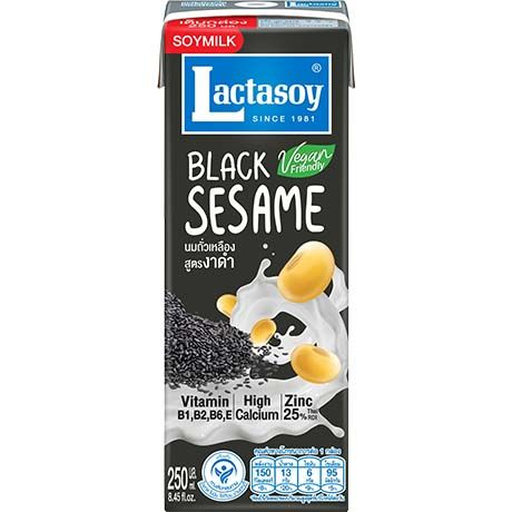 Image unavailable
This individual black sesame carton is a handy flavoured drink to have with a snack. Its product information lists 2.64 g of protein and 5.16 g of sugars per 100 ml. Don’t assume it’s low in sugar based on the flavour. Contains soya.
No. You can’t tell the sugar content from the vanilla flavour alone. According to Sojasun, its vanilla version contains sugar and has 4.2 g of sugars per 100 ml, compared with 0.1 g in its plain version. Whether you’re choosing a drink for a child or an adult, compare the ingredients and nutritional figures using the same units.
No. An ordinary soya drink is not a substitute for breast milk or infant formula for a baby under one year old. Anses warns of the risks of replacing these with drinks that aren’t specially designed for this purpose. Bio Village’s E.Leclerc product information also makes this clear.
No. The recommendation published by Anses in March 2025 relates to menus in collective catering settings. The agency advises against serving soya-based foods there to avoid excessive isoflavone consumption. It doesn’t amount to a general ban on snacks containing soya at home. If you plan to serve them often, consider what other soya foods your child eats.
Start by checking the ingredients, nutritional values using comparable units, and storage instructions. For prepacked food, EU rules on consumer information cover details including the ingredients list and nutrition declaration. The DGCCRF also reminds consumers that allergens present must be clearly highlighted.
Follow the storage time and temperature shown on the carton you’ve chosen, as these vary by product. For its organic plain soya drink, Auchan says to refrigerate it at a maximum of +6 °C and consume it within five days of opening. Don’t assume the same timeframe applies to another product.