Those keeping an eye on protein
You want to round off a post-workout snack and first check the amount of protein listed per 100 ml or for the portion you’ll drink.


For a post-workout snack, choose a soya drink based on what matters most to you: the amount of protein you plan to consume, the sugars in the recipe, or whether it contains calcium and vitamin D if you regularly use it instead of milk. Compare nutritional values on a like-for-like basis and check the ingredients of the exact product you’re buying: “lactose-free” does not mean “sugar-free” or “allergen-free”.
You want to round off a post-workout snack and first check the amount of protein listed per 100 ml or for the portion you’ll drink.
You’re looking for a plant-based drink explicitly labelled “sugar-free”, without assuming that all soya recipes have the same nutritional profile.
You want to check whether your chosen recipe contains calcium and vitamin D, while also checking its ingredients and allergens.
For a post-workout snack, start with your main need, then compare the nutritional information on an equal-quantity basis and check the ingredients in each recipe.
| Criteria | What to check | Who is it for? |
|---|---|---|
| Protein | Compare the protein per 100 ml, then check the amount for the volume you plan to drink. If a product listing gives a different serving size, check the unit too. | If I want to round off my post-workout snack, I look for a clear protein amount for my portion; around 36% of consumers prioritise this need. |
| Sugars | Check the “of which sugars” figure per 100 ml and make sure the recipe is actually labelled “sugar-free”. | If I want to limit the sugars in my drink, a product range name isn’t enough to help me choose a recipe; around 29% of consumers prioritise this criterion. |
| Calcium and vitamin D | Check separately whether they are listed on the packaging of the exact product; “soya” or “lactose-free” alone doesn’t confirm their presence. | If I often use it instead of milk, I want to know which nutrients are in the drink I’m buying; this is the top priority for around 21% of consumers. |
| Size and storage | Choose a size that suits how much you drink and read the storage instructions for after opening. | Whether I’m taking a snack with me or buying a carton for home, I choose a size I can finish in line with the instructions; nearly 14% of consumers prioritise this aspect. |
Soya drinks contain soya: being lactose-free doesn’t make them suitable for someone with a soya allergy.
Read the ingredients list and the allergens highlighted on the packaging of the specific recipe, even if it’s described as plant-based.
The Carrefour listing for Alpro Protéinée Nature gives 10 g of protein per 200 ml, while the Auchan listing for Bjorg Soja Protéines gives 5.2 g per 100 ml. These figures are for different volumes.
Convert the values to the same quantity before working out how much protein you’ll get from the portion you actually drink.
Whether a drink contains calcium and vitamin D depends on the specific product. A “lactose-free” soya drink doesn’t necessarily have the same nutritional profile as an enriched recipe.
If you regularly use it instead of milk, check the calcium, vitamin D, protein and sugars in your chosen product separately.
The listing for Auchan’s 1 L soya drink says to store it between 0 °C and +6 °C after opening and consume it within five days. Instructions may differ for another recipe.
Choose a size that suits how quickly you’ll drink it and follow the instructions on the carton you buy.
If you can’t finish a carton within the stated time, you may end up wasting it.
The range includes Protéinée Nature and Sans Sucres soya drinks, among others. Check the features of each one separately.
Bjorg offers a Nature Sans Sucres Bio recipe and a Soja Protéines drink, among others.
The Calcium Vitamine D recipe is one soya drink to consider if added nutrients are among your priorities.
The soya drink range includes a Carrefour Sensation product, which is worth comparing with other recipes.
Auchan’s 1 L soya plant-based drink is another option to consider for use at home.
This selection of soya drinks includes a 1 L carton and multipacks of smaller cartons. To choose a post-workout snack, check the protein and sugars in each recipe and, if it matters to you, whether it contains calcium and vitamin D.
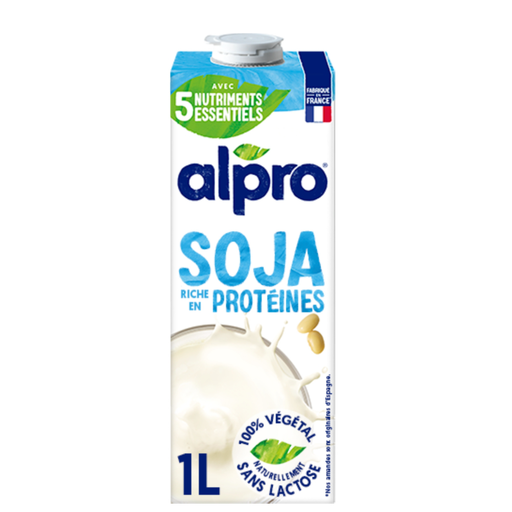 Image unavailable
The 1 L carton is suitable for drinking over several portions. To compare this drink with a sugar-free or enriched recipe, check the sugars, calcium and vitamin D on the label of the exact product.
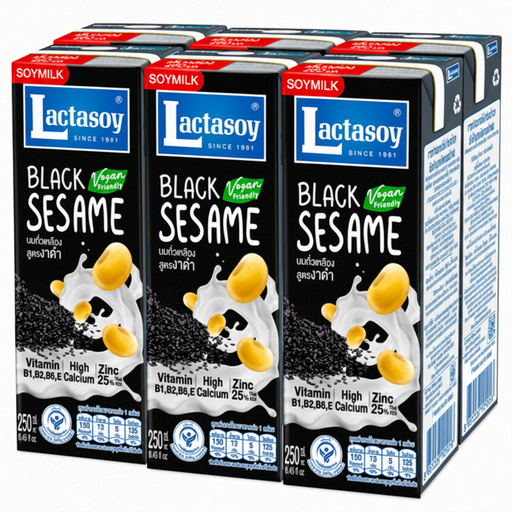 Image unavailable
The 250 ml cartons make it easy to choose an individual portion for your snack. Check the sugar content of this recipe and the allergen list, particularly for soya and sesame.
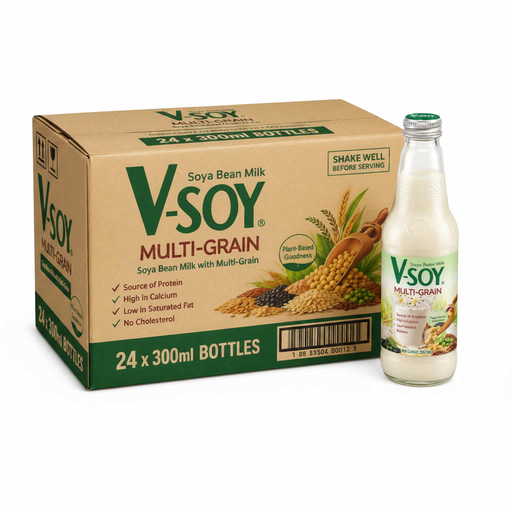 Image unavailable
The 300 ml cartons are an individual size to consider for a snack on the go. This recipe combines soya and cereals, so check the sugars and allergens listed on the packaging, particularly soya and barley.
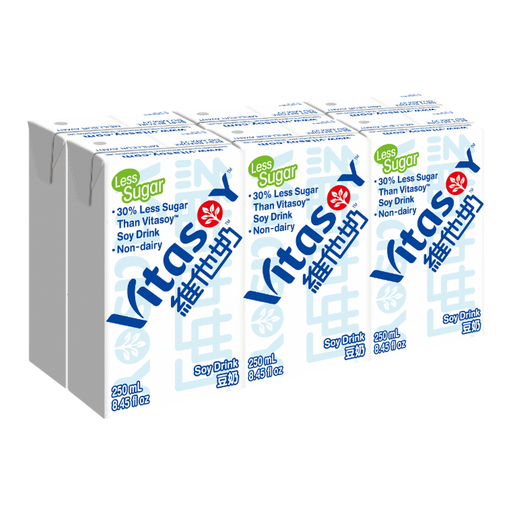 Image unavailable
This multipack of 250 ml cartons may suit you if you want individual portions. “Less Sugar” doesn’t mean “sugar-free”, so check the “of which sugars” figure before choosing this recipe on that basis.
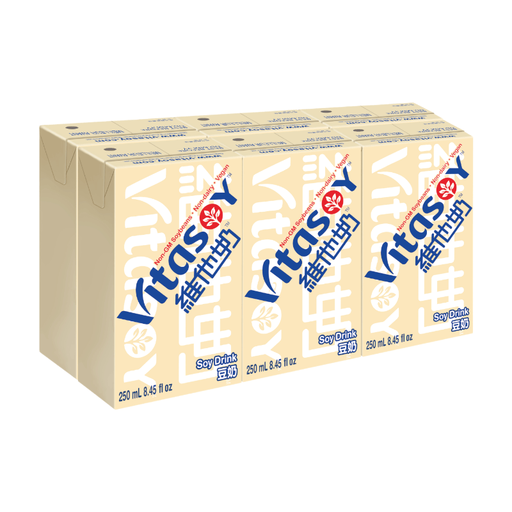 Image unavailable
The six 250 ml cartons make it easy to plan separate portions. Before choosing this recipe to suit your post-workout priorities, check its protein and sugar values, as well as the information on calcium and vitamin D.
No: “lactose-free” doesn’t mean “soya-free”. In France, the DGCCRF says that allergenic ingredients must be highlighted on the label. If you have a soya allergy, don’t choose a soya drink, and check the ingredients list of the exact product.
Compare their nutritional values on a like-for-like basis, then work out what they provide for the volume you plan to drink. The DGCCRF states that the nutritional information on pre-packed food is given per 100 g or 100 ml, so check the unit before comparing protein or sugar figures.
No, these nutrients depend on the recipe. Listings for some Alpro products and Sojasun Calcium Vitamine D mention added nutrients, but you should check the calcium and vitamin D separately on the packaging of the drink you choose.
Consider all the soya-based foods you eat, not just the drink you have after exercise. In 2025, Anses recommended not serving soya-based foods in collective catering to avoid excessive isoflavone consumption. This recommendation applies to that setting and does not, by itself, set an individual limit for soya drinks.