For your weekly shop, choose your soy sauce to suit the dishes you make: use a salty soy sauce for seasoning and marinades, or a sweet one for glazing and caramelising. If gluten is a deciding factor, check the label of the specific product you choose. If you want to squeeze the bottle to control the amount, don’t mistake a pouring spout for a flexible bottle: check the bottle itself and its closure too.
Who are these criteria useful for?
Anyone who regularly seasons their food
When you’re making noodles, marinades or rice throughout the week, how the sauce pours matters just as much as the recipe. The Monoprix Courses product listing for the 143 ml Suzi Wan soy sauce mentions a pouring spout. If you want to squeeze the bottle to control the amount, check separately that it’s flexible.
Anyone who makes sweet and savoury dishes
A sweet soy sauce is intended for a different purpose from a salty one: it’s for glazing or caramelising a dish. Compare the ingredients and sugar content of the specific recipe before making it your go-to sauce for the week.
Anyone checking for gluten or allergens
Several of the classic soy sauces mentioned here contain soya and wheat. Kikkoman describes its Tamari as gluten-free. Check this claim and the ingredients list on the packaging of the product you buy.
What should you check before choosing?
When choosing a bottle for your meals throughout the week, start with how you’ll use it most, then check how it pours and read the label of the exact product.
| Criteria |
What to check |
Who it’s for |
| Dispensing and pouring |
Look for a description confirming the bottle is flexible and check the type of cap. A pouring spout alone doesn’t mean it’s a squeeze bottle. |
When I’m seasoning food as I cook, I want to avoid pouring in too much sauce, so I look for a flow I can control. Around 42% of consumers put this need for portion control first. |
| Culinary use |
Choose between a salty and a sweet soy sauce to suit your dishes, then compare the sugar and salt content listed for the recipe. |
If I’m making both marinades and glazes during the week, I want a recipe suited to the use that matters most to me. Around 33% of consumers put this culinary choice first. |
| Ingredients and allergens |
Read the ingredients list, allergen information and nutritional details. If necessary, check that the specific product is labelled gluten-free. |
If gluten, allergens or ingredients determine what I buy, I check the label before considering the bottle size. Around 25% of consumers prioritise checking this information. |
Common mix-ups to avoid
-
Mistaking a pouring spout for a squeeze bottle
A spout guides the flow, but it doesn’t mean the bottle can be squeezed or that its closure is leak-proof.
If you want to control the amount by squeezing, look for a clear description of a flexible bottle and check the cap in the product listing or on the packaging.
-
Swapping a salty sauce for a sweet one without checking the recipe
Kikkoman recommends its sweet soy sauce for glazing and caramelising. The recipe described by Kikkoman contains 36% sugar, so it won’t give you the same result as a sauce intended for savoury seasoning.
Decide which dishes you’ll make most often, then choose a recipe to match.
-
Assuming the words “soy sauce” tell you everything about its ingredients
Ingredients and allergens vary between products. The classic Suzi Wan and Tanoshi sauces described by Monoprix Courses and Carrefour France contain soya and wheat, among other ingredients.
Read the ingredients list and nutritional information on the bottle you choose. If you need a gluten-free product, check that the label explicitly says so.
-
Assuming every bottle has the same storage instructions
Monoprix Courses says to refrigerate the 143 ml Suzi Wan soy sauce after opening and use it within six months. The Auchan listing for a 975 ml Kikkoman sweet soy sauce says to close the container tightly and store it in a cool place.
Follow the instructions printed on your bottle, especially if you only use it occasionally.
Brands to know
Kikkoman
Kikkoman offers a classic soy sauce, a sweet soy sauce and a Tamari described as gluten-free.
- The brand recommends its sweet sauce for glazing and caramelising. Its product listing includes 150 ml and 250 ml bottles, as well as a 150 ml carafe.
- This sweet sauce contains soya and wheat. Check how each size is dispensed: the word “bottle” doesn’t necessarily mean it’s flexible.
Suzi Wan
The 143 ml Suzi Wan soy sauce listed by Monoprix Courses is recommended for sushi, marinades and noodles.
- The product listing mentions a pouring spout and says to refrigerate the sauce after opening and use it within six months.
- This product contains soya and wheat. Its pouring spout alone doesn’t confirm that the bottle can be squeezed.
Tanoshi
Carrefour France describes Tanoshi’s 200 ml salty soy sauce as suitable for sushi, maki and seasoning.
- The “salty” description makes it easy to tell apart from sweet sauces intended for glazing.
- The ingredients list for this product includes soya and wheat. If the way it pours matters to you, check the bottle itself.
Auchan
Auchan offers a 150 ml bottle of its own-brand sweet soy sauce for glazing and caramelising.
- The product listing explains that this recipe is for sweet and savoury dishes, helping you distinguish it from a salty soy sauce.
- The recipe shown contains 33% sugar and includes a soy sauce containing soya and wheat. If you’re looking for a squeeze bottle, check the container separately.
Soy sauces to consider on Joybuy
This selection includes soy sauces for cooking or seasoning, two of which are described as gluten-free. Choose a recipe and size to suit how you’ll use it during the week. If you’re looking for a squeeze bottle, check the container and its closure before buying.
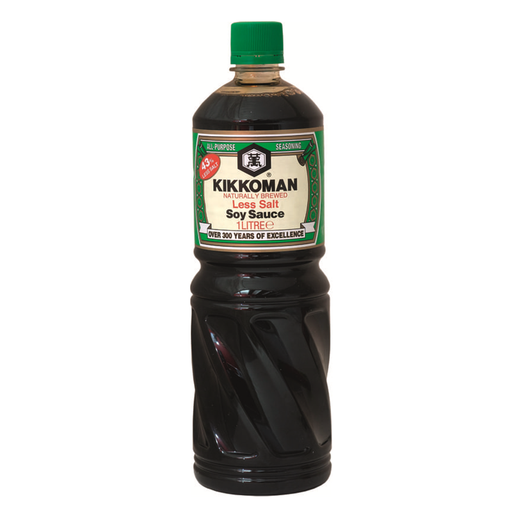 Image unavailable
Kikkoman Less Salt soy sauce, 1 L
Worth considering if you regularly use soy sauce for seasoning or making marinades.
1 L size. If you need to dispense it by squeezing, check that the bottle is flexible and how it closes.
View on Joybuy
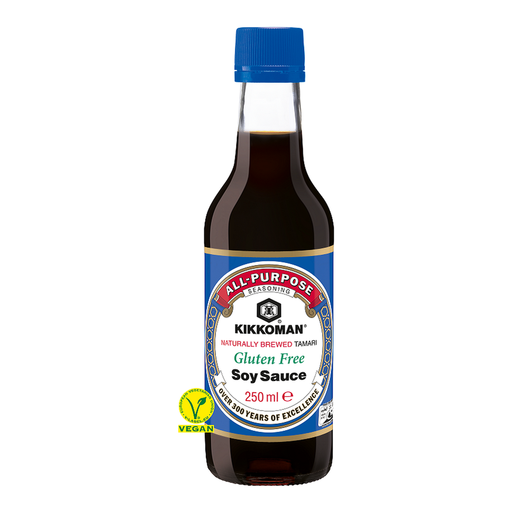 Image unavailable
Kikkoman Tamari Gluten Free soy sauce, 250 ml
Worth looking at if you’re after a Tamari described as gluten-free for cooking or seasoning.
250 ml size. Check the gluten-free claim on the packaging you buy, and make sure the bottle can be squeezed if you want to control the amount that way.
View on Joybuy
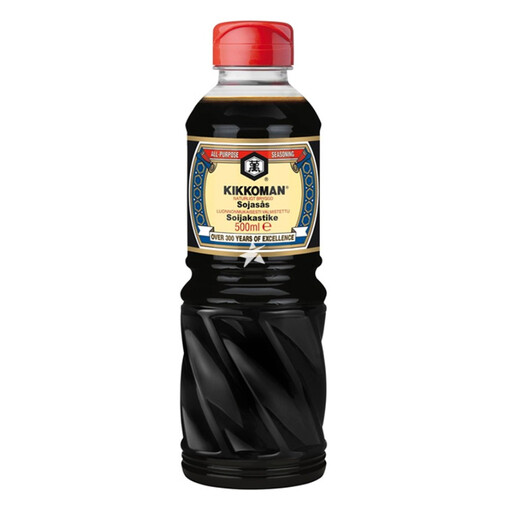 Image unavailable
Kikkoman Traditional soy sauce, 500 ml
Worth considering if you want a sauce for seasoning, cooking and marinades throughout the week.
500 ml size. If squeezing the bottle to control the amount matters to you, check the type of cap and whether the container is flexible.
View on Joybuy
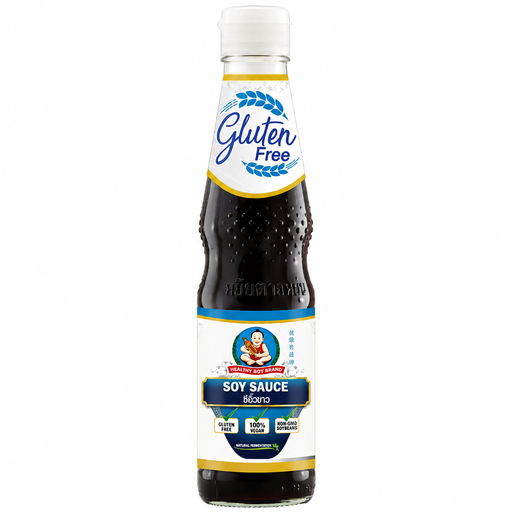 Image unavailable
Healthy Boy Soy Sauce Gluten Free, 300 ml
Worth looking at if you want a soy sauce described as gluten-free for cooking or marinades.
300 ml size. Check the claim on the label of the bottle you choose, and check the container too if you’re looking for a squeeze bottle.
View on Joybuy
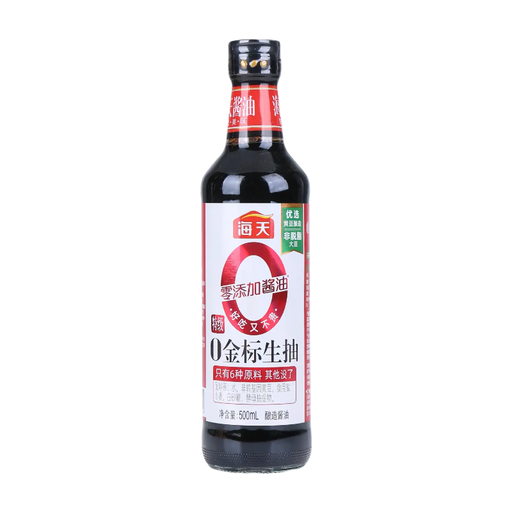 Image unavailable
HADAY 0 Golden Label Light Soy Sauce, 500 ml
Worth considering for seasoning or cooking if a light soy sauce suits the dishes you’re planning this week.
500 ml size. “Light” is part of the product name, so check the nutritional information for this specific product. If you want to dispense it by squeezing, check the bottle too.
View on Joybuy
Frequently asked questions
Does a pouring spout mean the bottle is a squeeze bottle?
No. A pouring spout doesn’t prove that the bottle itself is flexible. The Monoprix Courses listing for Suzi Wan mentions a spout. If you want a bottle you can squeeze, check the description of the container and its closure too.
Are classic soy sauces always gluten-free?
No. The classic Kikkoman, Suzi Wan and Tanoshi soy sauces described by Kikkoman France, Monoprix Courses and Carrefour France contain wheat. Kikkoman describes its Tamari as gluten-free. Check the label on the specific product you buy.
What should I look for on the label when comparing two soy sauces?
Start by comparing the product names and ingredients, then check the allergens, nutritional information and net quantity. France’s DGCCRF reminds shoppers that allergens must be highlighted in the ingredients list of pre-packed foods sold in France. Read the information for the specific product rather than judging its ingredients by the name alone.
How long can you keep soy sauce after opening?
Follow the instructions on the bottle you buy, as they vary between products. Monoprix Courses says to refrigerate the 143 ml Suzi Wan soy sauce after opening and use it within six months. For a 975 ml Kikkoman sweet soy sauce, Auchan says to close it tightly and store it in a cool place.


