Fans of savoury toast
You want to add a few drops of sauce to a savoury topping, rather than find something to spread. An easy-to-pour container and the salt content matter more than whether it looks like a jam jar.


For toast, choose soy sauce as a liquid condiment to drizzle on in small quantities, not as a jam to spread. Classic soy sauce works with savoury toppings; a sweet version only makes sense if you’re after a sweet-and-savoury contrast. If you specifically need a glass jar, check that the product you choose is sold in that container: a flask or bottle doesn’t confirm this.
You want to add a few drops of sauce to a savoury topping, rather than find something to spread. An easy-to-pour container and the salt content matter more than whether it looks like a jam jar.
You’re considering sweet soy sauce to go with a topping. Check the sugars listed on the label and remember that the sauce is still a liquid: it’s no substitute for jam.
You’re looking for a reduced-salt option or one labelled gluten-free. Compare the salt content and read the ingredients for the exact product you’re considering: Kikkoman’s classic soy sauces, for example, contain soy and wheat.
First decide whether you need a condiment for savoury toast or a sweet-and-savoury twist. Then check the container, followed by the nutritional information and ingredients for the product you’ve chosen.
| Criteria | What to check | Who this matters to |
|---|---|---|
| Container and portion control | If you need a glass jar, look for an explicit statement about the material and type of container. If you only need a few drops, also check the bottle size and closure. | For the occasional slice of toast, I want to be able to control how much sauce I pour and know exactly what container I’ll receive; around 42% of consumers would put this need first. |
| Savoury or sweet-and-savoury use | Choose classic soy sauce for a savoury topping. For a sweet sauce, read the ingredients list and the sugars per 100 ml; save jam for toast with jam. | If I want a sweet-and-savoury note, I don’t want to mistake a liquid sauce for a spreadable jam; this flavour choice would be the priority for around 33% of consumers. |
| Salt and ingredients | Compare the “salt” value using the same quantity as a basis, and check the ingredients for each product. If you need to avoid gluten, look for an explicit statement on the product you choose. | When salt, wheat or soy determines my choice, the variety name alone isn’t enough; around 25% of consumers would make this check their priority. |
The shape of a bottle or its photo doesn’t confirm that it’s a jar. Kikkoman France describes its classic soy sauce in both a carafe and a bottle.
If a glass jar is essential, check that this is stated on the product page or label. Otherwise, a small bottle may be easier to measure out, while jam can stay in its own jar.
Sweet soy sauce is still a liquid condiment. The product page for Auchan sweet soy sauce, 150 ml, lists 66 g of sugars and 6.6 g of salt per 100 ml: its sweet flavour doesn’t make it a spread.
Save it for recipes where you deliberately want to combine sweet and savoury flavours; for toast with jam, choose jam.
Kikkoman France’s reduced-salt soy sauce still contains 9.2 g of salt per 100 ml. A stated reduction compared with another recipe doesn’t mean there’s no salt.
Compare the “salt” value per 100 ml for the products you’re interested in, rather than relying on the variety name alone.
The ingredients list for Kikkoman classic soy sauce includes wheat. Kikkoman Tamari is described by the brand as gluten-free, but it still contains soy.
Check the gluten-free claim and ingredients for the exact product you’re buying. Don’t rely solely on the colour of the container or the words “soy sauce”.
Kikkoman France’s range includes classic, reduced-salt, gluten-free and sweet sauces. The right choice depends on the specific recipe, not just the brand.
Carrefour lists a 143 ml bottle of Suzi Wan reduced-salt soy sauce with a pouring spout: worth considering if you want to measure out small quantities.
Auchan sweet soy sauce, 150 ml, is for sweet-and-savoury dishes; its features don’t apply to every sauce sold under this brand.
These liquid sauces suit different uses: seasoning savoury toast, adding a sweet-and-savoury note, or exploring a reduced-salt or gluten-free option. For each one, check the container separately if you specifically want a glass jar.
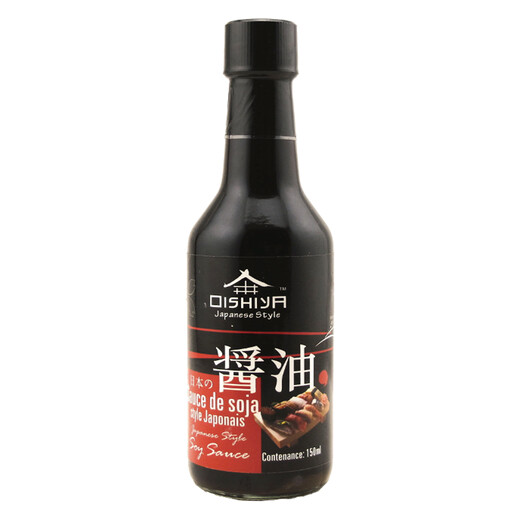 Image unavailable
Consider this as a liquid condiment for a savoury topping, rather than a sauce to spread. The stated size is 150 ml; if you need a glass jar, check this detail before buying.
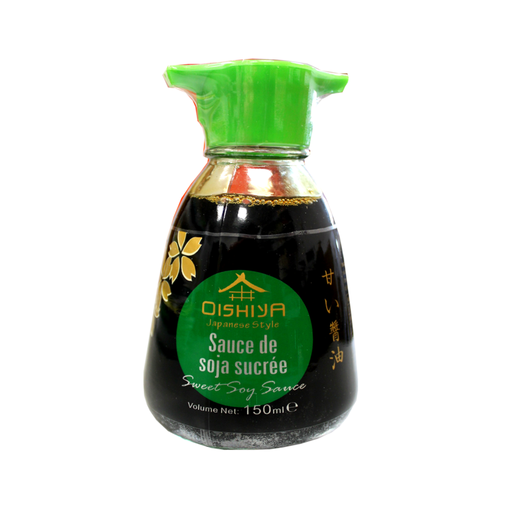 Image unavailable
Consider this if you want a sweet-and-savoury seasoning for a topping, rather than jam. The stated size is 150 ml; check the ingredients list, sugars and container material for the product on offer.
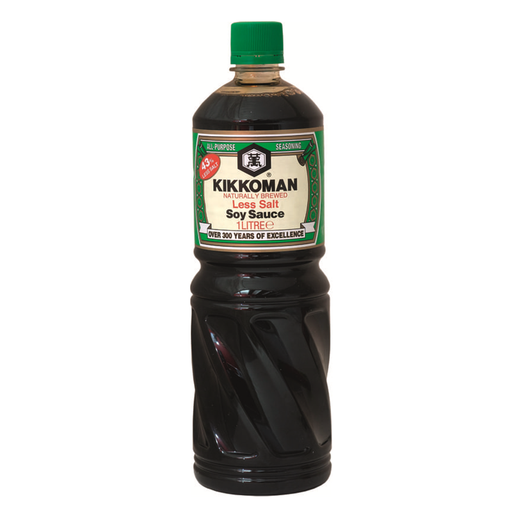 Image unavailable
Worth considering if you’re looking for reduced-salt soy sauce for regular use. The stated size is 1 L: before choosing it for the occasional few drops, compare it with a smaller bottle and check the salt content of this specific product.
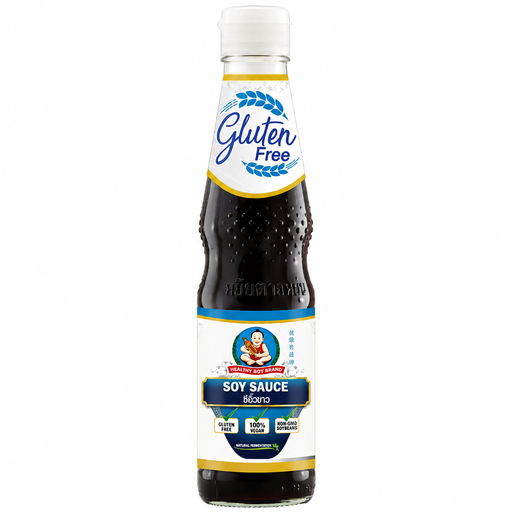 Image unavailable
Worth considering if a gluten-free label is essential when choosing a savoury soy sauce. The stated size is 300 ml; check the dietary claim, ingredients and container on the label of the product you buy.
No: soy sauce is a liquid condiment, even when it’s sweet. If you’re after a sweet-and-savoury contrast, add a small amount to a dish designed for that purpose; for toast with jam, stick with jam as your spread.
No, the word “bottle” doesn’t confirm that it’s jar-shaped or made of glass. If both features are essential, look for them to be stated explicitly on the product page or label; Kikkoman France, for example, describes its classic sauce in both a carafe and a bottle.
Follow the instructions for the product you’ve bought. For its naturally brewed soy sauce, Kikkoman France recommends keeping the opened bottle in the fridge and replacing the cap after use; don’t assume the same instructions apply to another sauce.
Yes. The Tamari described as gluten-free by Kikkoman France contains soybeans. Check the gluten-free claim and the ingredients list for the exact product separately, as they answer two different questions.