
Livraison le jour même ou le lendemain

Qualité garantie

Débloquez vos offres de bienvenue: Livraison GRATUITE | Jusqu'à -80 % | 30 jours d'essai gratuits à JoyPlus
Téléchargez l'application
The soy sauce aisle can be overwhelming. Light, dark, sweet, salty… It’s hard to know which bottle to choose for your sushi, a perfect marinade, or a flavourful wok dish. Yet, each bottle holds a unique flavour and a very specific purpose.
As product recommendation experts at Joybuy, our mission is to guide you. This guide breaks down the different types of soy sauce to help you make the right choice—the one that will perfectly match your recipes and culinary desires.
Before we get to our top picks, here are the key criteria for finding the perfect soy sauce for your kitchen.
This is the most important factor. In the kitchen, be aware that not all soy sauces are interchangeable.
The quality of a soy sauce depends primarily on its ingredients and how it's made. A golden rule: a short ingredient list is often a sign of quality. The four basic components are: soybeans, wheat, water, and salt.
The term "naturally brewed" indicates that the sauce has been fermented for several months, a process that develops complex aromas and a deep umami flavour. In contrast, chemically produced sauces are much quicker to make, but their flavour profile is significantly flatter.
Soy sauce keeps very well, but be mindful: once opened, its aromas will gradually fade. For occasional use, a small 150?ml or 250?ml bottle is perfect for preserving its freshness. Avid cooks and large families should opt for a 500?ml or larger size, which is much more cost-effective.
We've selected three essential soy sauces, each tailored to a specific need. They're perfect for starting or expanding your home cook's toolkit.
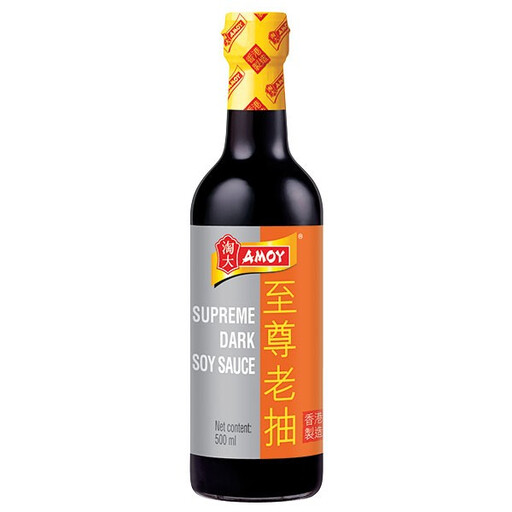
Why we love it: This dark soy sauce is specially designed to bring a rich colour and intense umami flavour to your dishes. Its texture and aromatic profile make it a first-rate ingredient for slow cooking and marinades.
Key features:
Who is it for? For those who want to master the art of Asian braised dishes and give their creations an authentic colour and flavour.
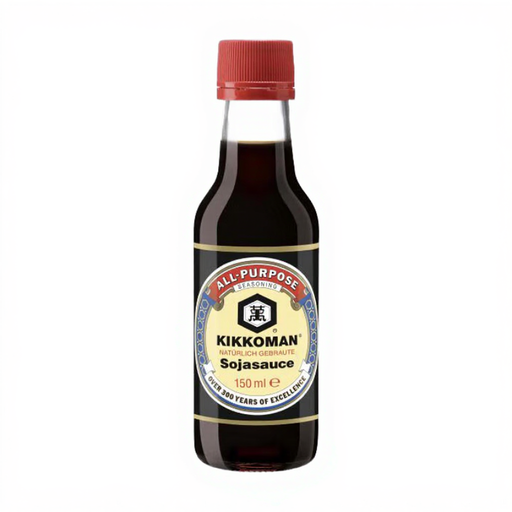
Why we love it: Kikkoman soy sauce is the global benchmark, renowned for its versatility and impeccable quality. Naturally brewed from just four ingredients, it's the archetype of a perfectly balanced, light soy sauce.
Key features:
Who is it for? Everyone. This is THE bottle to have in your pantry, whether you're a beginner in the kitchen or a seasoned chef looking for a reliable, all-purpose seasoning.
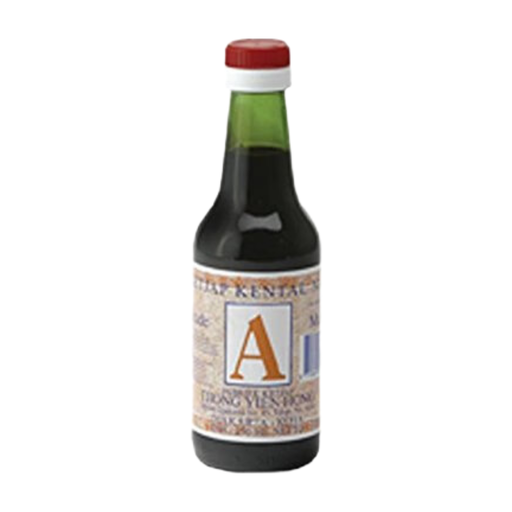
Why we love it: This sauce is the perfect example of ketjap manis, the popular Indonesian sweet soy sauce. Its thick, syrupy consistency and perfect balance of sweet and salty make it unique.
Key features:
Who is it for? For fans of sweet-and-salty flavours and culinary explorers looking to add a touch of exotic, gourmet flair to their dishes.
Our selection is an excellent gateway into the vast world of soy sauce. Whether you're looking for a different size, a specific brand, or other soy-based condiments, feel free to browse our full catalogue to find what you're looking for.
? Discover our full range of soy condiments
1. What is the main difference between light and dark soy sauce? Light soy sauce is thinner, saltier, and primarily used as a table seasoning or for quick cooking. Dark soy sauce is thicker, less salty, slightly sweeter, and sought after for its intense colour and complex flavour in simmered dishes and marinades.
2. Can I substitute sweet soy sauce for regular soy sauce in a recipe? It all depends on the recipe! Replacing a regular soy sauce with a sweet one (ketjap manis) will completely change the taste of your dish, adding a distinct sweet and caramelised note. It's possible in some marinades or wok dishes if you're aiming for a sweet-and-savoury result, but it should be avoided if you're just looking to add saltiness to your dish, like a soup.
3. What's the best way to store soy sauce after opening? To best preserve its flavours, the practice is simple: once opened, keep the bottle tightly sealed in the refrigerator. This slows down oxidation and preserves its taste qualities for much longer.