
Livraison le jour même ou le lendemain

Qualité garantie

Débloquez vos offres de bienvenue: Livraison GRATUITE | Jusqu'à -80 % | 30 jours d'essai gratuits à JoyPlus
Téléchargez l'application
Far more than just a salty condiment, soy sauce is a cornerstone of many Asian cuisines, capable of transforming an ordinary dish into a complex flavour experience. But once you're in the aisle, it can be overwhelming: sweet, salty, Japanese, low-sodium, gluten-free... it's hard to know where to start.
This guide is here to help. As the Head of Product Curation at Joybuy, my mission is to give you the insights you need to choose the soy sauce that will elevate your recipes while meeting your dietary needs.
Before we get to our top picks, let's review a few essential criteria to ensure you make the right choice.
There's a soy sauce for every dish. They are not all created equal and serve different purposes in the kitchen.
Most traditional soy sauces are fermented with wheat, making them unsuitable for a gluten-free diet. Fortunately, alternatives exist. Gluten-free soy sauce, often called tamari when it's 100% soy-based, or brewed with rice, offers a flavour very close to the original. A quick look at the ingredient list is essential to avoid any unpleasant surprises.
A quality soy sauce is born from natural fermentation, a slow process that can take several months and forges its complex aromas. Rule of thumb: a short ingredient list (water, soybeans, wheat, salt) is often a sign of quality. Be wary of lengthy formulas that hide additives, flavour enhancers, or preservatives, unless that's what you're looking for.
To help you make your choice, here are a few products that stand out for their taste and versatility. One of them is sure to find a place in your kitchen.
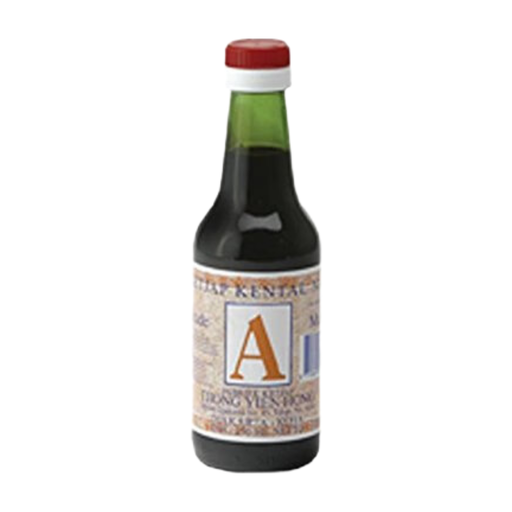
Why it stands out: This is the archetype of ketjap manis, the famous sweet Indonesian soy sauce. Its syrupy texture and intense flavour make it a powerful ally for marinades and grilling.
Advantages:
Who is it for? Fans of sweet and sour flavours and anyone looking to recreate the authentic taste of homemade satay or nasi goreng.
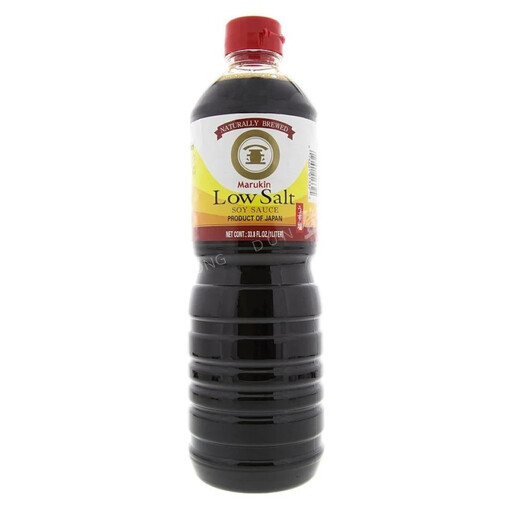
Why it stands out: This Japanese soy sauce combines an authentic umami taste with reduced salt content, making it ideal for perfectly controlling the seasoning of your dishes.
Advantages:
Who is it for? People on a low-sodium diet and cooks who like to control salt levels precisely, whether for a wok sauce or a salad dressing.
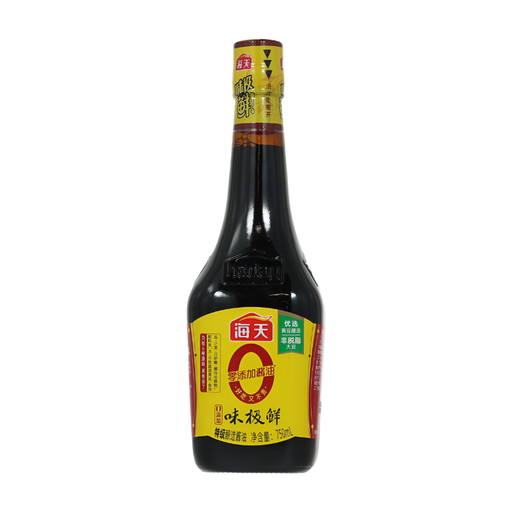
Why it stands out: This soy sauce is all about being natural: only six ingredients, with no added preservatives or sweeteners.
Advantages:
Who is it for? Discerning consumers who care about ingredients and are looking for a sauce with a clean, distinct flavour. Ideal for cold dressings, dips, or steaming.
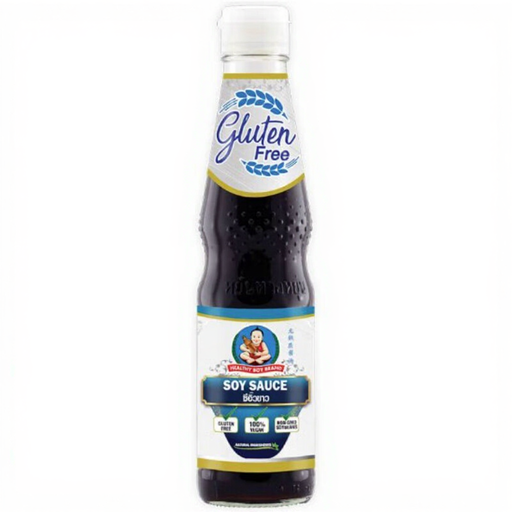
Why it stands out: It's the perfect alternative for enjoying the taste of soy sauce on a gluten-free diet. Naturally fermented from soy and rice, it delivers an authentic aroma.
Advantages:
Who is it for? A must-have for anyone on a gluten-free diet who refuses to compromise on the taste of their Asian dishes.
Good soy sauce is the foundation, but the right tools make all the difference. To get equipped without breaking the bank and prepare delicious Asian dishes, check out our selection of smart and affordable kitchen gadgets.
Light soy sauce is thinner, saltier, and used as an everyday seasoning. Dark soy sauce, which is aged longer and often has molasses added, is thicker, sweeter, and less salty. It's mainly used to add colour and depth to dishes.
Once opened, your bottle of soy sauce should be stored in the refrigerator. Be sure to close it tightly after each use to preserve its flavours and protect it from oxidation.
That's not a good idea. Sushi is traditionally enjoyed with a salty (light) soy sauce so as not to overpower the delicate flavour of the fish. Sweet soy sauce, like ketjap manis, is far too thick and potent. Save it for grilling, marinades, or wok dishes instead.