Anyone stocking their cupboards for the first time
If you rarely use soy sauce, start by working out how much you’re likely to need. A larger bottle could sit open for a long time.


For your first bottle, choose a salty soy sauce if you mainly want to season dishes, or a sweet soy sauce if your recipes call for a sweet-and-savoury glaze. A reduced-salt version is a separate consideration: check the ‘salt’ value, choose a size that suits how much you’ll use, and read the ingredients before buying.
If you rarely use soy sauce, start by working out how much you’re likely to need. A larger bottle could sit open for a long time.
A salty sauce for seasoning and a sweet sauce for glazing or caramelising serve different purposes. Think about the recipe you have in mind before choosing a bottle size.
It’s worth checking the ingredients and nutritional information if soy, wheat, salt or sugars matter to your choice. Always check the exact product you’re buying.
For your first shop, start with how you plan to use the sauce, then check the bottle size and the information on the label.
| Factor | What to check | Who this matters to |
|---|---|---|
| Bottle size | Choose a size that suits how often you expect to cook with the sauce. | If I’m new to soy sauce and only expect to use it a few times, I’d rather not leave a large bottle open. Around 30% of consumers would put choosing the right quantity at the top of their list. |
| Type of sauce | Look for ‘salty’ or ‘sweet’ on the label, and check the ingredients before choosing a sauce for a recipe. | If I’m seasoning a savoury dish, I don’t want to accidentally pick up a sweet glazing sauce. Around 40% of consumers would make choosing the right type for their intended use a priority. |
| Ingredients and nutritional values | Read the highlighted allergens, along with the ‘salt’ and ‘sugars’ values for the product you’re considering. | If I need to avoid an ingredient or keep a close eye on salt or sugars, the ingredients come first. Around 30% of consumers would prioritise this information. |
When you’re doing your first shop, a larger bottle only makes sense if it suits your cooking habits and the storage instructions after opening.
Think about the recipes you plan to make and check the storage instructions on the bottle before choosing its size.
A sweet sauce can change a recipe that’s meant to be simply seasoned. The product information for Auchan’s sweet soy sauce lists sugar among its ingredients.
For a savoury recipe, check the name on the bottle. Save sweet soy sauce for dishes where you want that flavour profile.
Soy sauces listed by Carrefour and Auchan contain soy and wheat. Salt and sugars levels also vary between recipes.
Check the highlighted allergens and nutritional information for the exact product you’re planning to buy.
A bottle you’ve spotted in a catalogue may not be available when you do your shop.
If you’re making a special trip for a particular product, check your local store’s information or catalogue first.
An unnecessary trip takes time, especially if you then have to look for another bottle.
These brands offer examples of different recipes and bottle sizes. The brand name is no substitute for checking the label on each bottle.
The brand offers a classic soy sauce and a reduced-salt version.
The Carrefour range includes salty and sweet soy sauces in small bottles.
E.Leclerc’s range includes a Tables du Monde soy sauce in a 125 mL bottle.
Auchan offers salty and sweet soy sauces in 150 mL bottles.
ALDI has listed a salty Asia Green Garden soy sauce in a 250 mL bottle.
These soy sauces come in a range of sizes and varieties, including tamari and a ‘Less Salt’ version. To choose your first bottle, compare how you plan to use each one, its size and the information on the packaging.
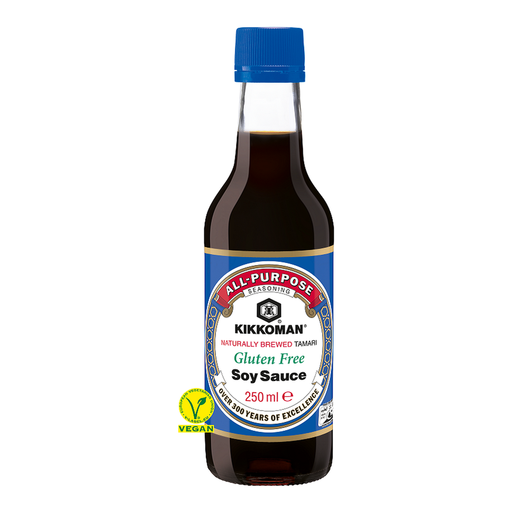 Image unavailable
This bottle could be a good choice if you want to start with a moderate amount of tamari.
If the ‘Gluten Free’ claim is important to you, check it and the allergen information on the packaging.
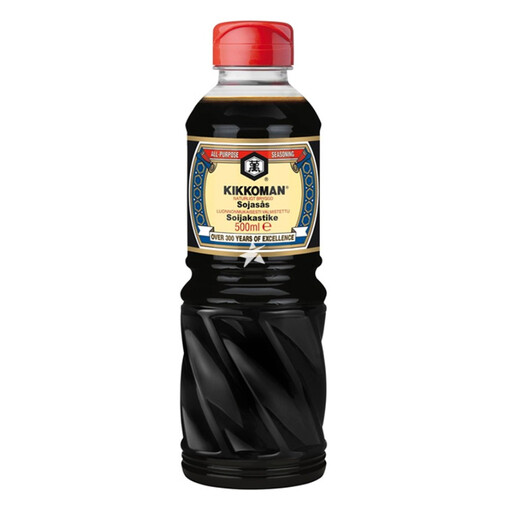 Image unavailable
If you’re planning to make several dishes with soy sauce, check that this bottle size suits the amount you expect to use.
Check the ingredients, allergens and storage instructions after opening for this product.
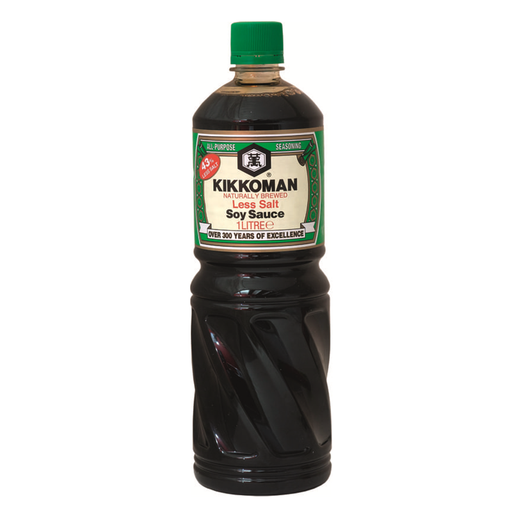 Image unavailable
This variety may interest anyone who wants to compare the ‘salt’ values of different soy sauces.
‘Less Salt’ doesn’t mean salt-free. Also consider whether the 1 L size is right for the amount you expect to use.
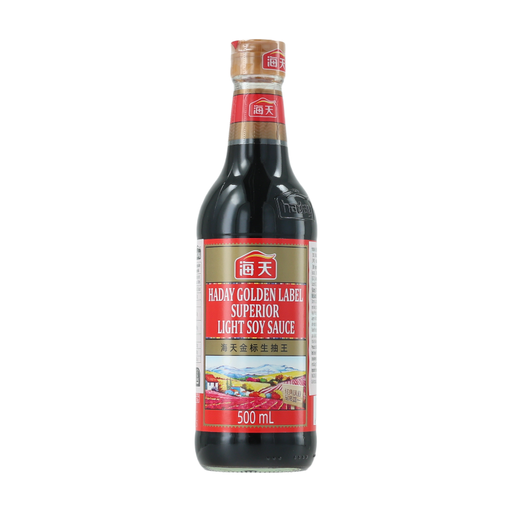 Image unavailable
If your recipe calls for light soy sauce, check that this variety is suitable for the way you plan to use it.
Don’t take ‘Light’ in the name to mean it has less salt: check the ‘salt’ value on the label.
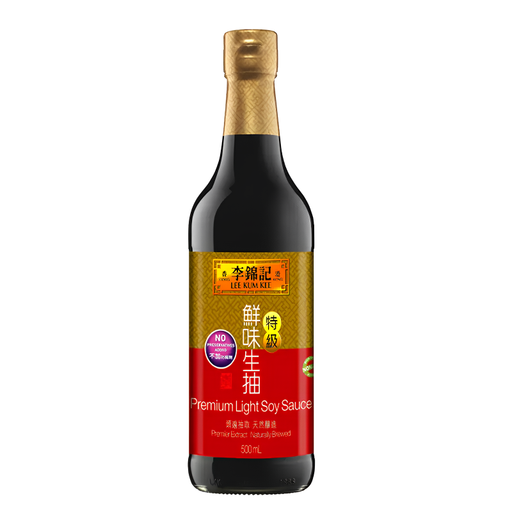 Image unavailable
If your recipe calls for light soy sauce, consider whether this bottle is the right size for the amount you’ll need.
Check the ingredients and ‘salt’ value for this product: ‘Light’ on its own doesn’t mean it contains less salt.
Start with the product name, ingredients list and ‘salt’ and ‘sugars’ values to choose a sauce that suits your recipe. The DGCCRF states that allergenic ingredients must be highlighted.
Read the ingredients list and the highlighted allergens on the bottle you choose. The ingredients for the classic Kikkoman soy sauce listed by Carrefour include soy and wheat. Don’t assume that every variety has the same recipe.
No. A reduced-salt claim doesn’t mean there’s no salt. Kikkoman says its own reduced-salt sauce contains 43% less salt than its classic sauce. Check the ‘salt’ value on the specific bottle you’re considering.
Follow the instructions for the product you’ve bought. For the salty and sweet soy sauces in question, Auchan advises keeping them in the fridge after opening and using them within a month. This advice may not apply to other bottles.