
Livraison le jour même ou le lendemain

Qualité garantie

Débloquez vos offres de bienvenue: Livraison GRATUITE | Jusqu'à -80 % | 30 jours d'essai gratuits à JoyPlus
Téléchargez l'application
Soy sauce is a cornerstone of Asian cuisine, but navigating the supermarket aisle can often be a puzzle. Light, dark, salty, sweet, Japanese, Chinese?? How do you know which one to choose for your sushi, marinades, or stir-fries??
As the Head of Product Recommendations at Joybuy, I'm here to help you make sense of it all. Our mission?: to demystify the different types of soy sauce to help you find the bottle that will elevate your dishes, all without any unnecessary marketing jargon.
Before you grab the first bottle you see, it's essential to understand a few key distinctions that will transform your cooking experience.
This is THE fundamental distinction, especially in Chinese-inspired Asian cuisine.
There are two main production methods:
Our advice? For an authentic flavour, always choose sauces that state "naturally brewed" on their label.
A good soy sauce doesn't need a long list of ingredients. On the contrary, simplicity is often a sign of quality. The four fundamental ingredients are:
Some variations may include a little sugar to balance the bitterness, or yeast extract to enhance the umami, which is perfectly acceptable.
To get you started, here are our three recommendations, each meeting a specific need.
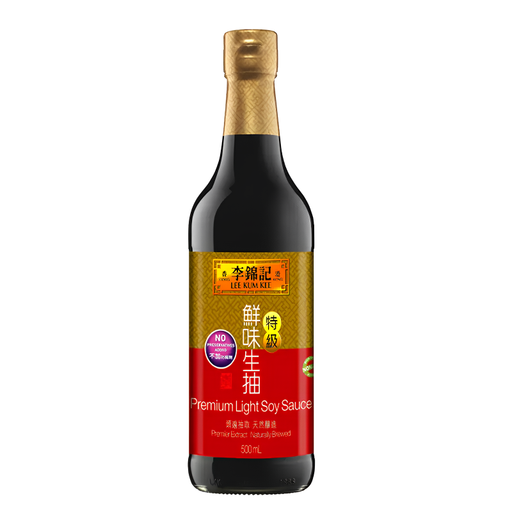
What sets it apart The Premium light soy sauce from Lee Kum Kee is a true classic, an essential in Asian kitchens. Brewed from non-GMO soybeans, it offers a pronounced umami flavour and a rich aroma that make it an ultra-reliable staple condiment. Its translucent, reddish-brown colour is typical of a quality light soy sauce.
Highlights
Who is it for? For those looking for an everyday soy sauce that is both high-performing and versatile. It's the one bottle you absolutely must have in your pantry to get started with Asian cooking or for regular use.
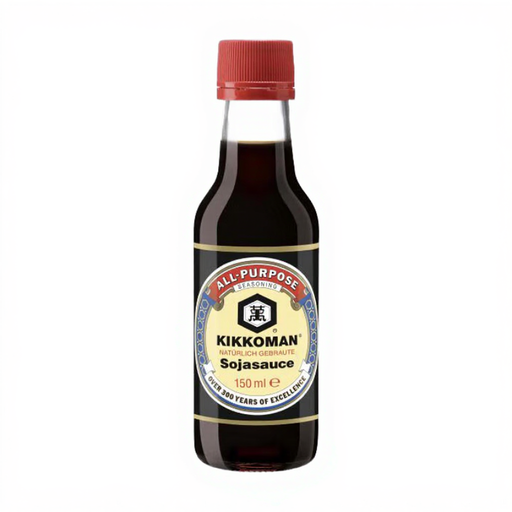
What sets it apartKikkoman soy sauce is a global benchmark, renowned for its traditional Japanese recipe that is over 300 years old. It is the result of 100% natural brewing and contains only four ingredients: water, soybeans, wheat, and salt. That's it. Its taste is a model of umami balance.
Highlights
Who is it for? For purists seeking a universal, Japanese-style soy sauce with a clean, authentic taste. Its small format is also very practical for table service or for occasional use.

What sets it apart This is the secret ingredient for giving your dishes that deep, appetising mahogany colour. The dark soy sauce from Lee Kum Kee is less salty than its light counterpart, but thicker and slightly sweet. Its role is primarily visual and aromatic.
Highlights
Who is it for? For fans of Chinese stews (like Hong Shao pork) or for anyone who wants to master the art of colouring in the kitchen. It's a more specific condiment, but one that truly makes all the difference.
Our selection covers the most common uses, but the world of soy sauce is vast (sweet, reduced-sodium, gluten-free...). To explore other varieties that meet more specific needs, feel free to browse our full range.
? Discover our entire soy sauce seasoning category
1. What is the difference between Chinese and Japanese soy sauce? To put it simply, Chinese soy sauces are divided into "light" (for saltiness) and "dark" (for colour). Japanese soy sauces (shoyu), on the other hand, are most often all-purpose, light-style sauces. They are brewed with as much roasted wheat as soy, which gives them a sweeter, more nuanced aroma. Kikkoman is the perfect example.
2. Can you substitute dark soy sauce with light soy sauce? You can, but the result will be completely different. By replacing dark with light, your dish will be saltier and will lack that beautiful amber colour. Conversely, it will lack saltiness. The ideal solution is to have both bottles in your pantry if you cook Asian food regularly.
3. How should you store soy sauce? Before opening, a cool, dark cupboard is sufficient. Once the bottle is opened, it belongs in the refrigerator! This is essential to slow down oxidation and preserve its rich aromas, especially for naturally brewed sauces.