
Livraison le jour même ou le lendemain

Qualité garantie

Débloquez vos offres de bienvenue: Livraison GRATUITE | Jusqu'à -80 % | 30 jours d'essai gratuits à JoyPlus
Téléchargez l'application
Soy sauce is a staple in many cuisines, but choosing the right bottle from the shelf can be a real puzzle. Between obscure labels, marketing promises, and a jungle of options, it's easy to make a mistake. The result? A disappointing product, or even a completely ruined dish. As product experts at Joybuy, our mission is to help you make sense of it all. Let's break down the common mistakes to avoid and the essential criteria for finding the perfect soy sauce for your recipes.
The two most common mistakes when choosing soy sauce:
To ensure you never go wrong again, focus on three essential points that define the character of a soy sauce.
The term "soy sauce" is a catch-all. There are two main families, Chinese and Japanese, each with distinct uses.
The quality of a soy sauce depends above all on its production method. Natural fermentation, a slow process that can take several months, is the hallmark of rich, complex aromas. A short ingredient list is always a good sign: water, soybeans, wheat, salt. That's it. Steer clear of long lists filled with additives, flavour enhancers, or colourings, which often hide a poor-quality industrial manufacturing process.
For those watching their salt intake, reduced-salt soy sauce is an attractive alternative. But be careful—it's crucial to check the nutrition facts panel. A classic soy sauce contains between 14g and 18g of salt per 100ml. A version that truly deserves its "reduced-salt" label should be around 8g to 11g of salt per 100ml. Don't just trust the promise on the front; turn the bottle over and check the numbers.
To illustrate these criteria, here are a few of our recommendations, each designed for a specific use.
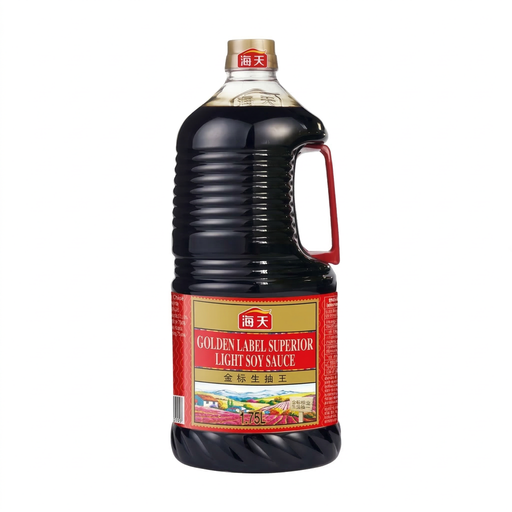
Why we recommend it: Ideal for daily family use, this large format offers unbeatable value. It's a highly versatile light soy sauce, perfect as a base for a **marinade sauce** or for seasoning your everyday dishes without breaking the bank.
This product perfectly meets the need for a standard light soy sauce, preventing you from mistakenly buying a dark or overly specific sauce for general use. Its large size puts an end to repeat purchases of small bottles, which are often much more expensive per litre.
An unbeatable quantity-to-price ratio for an all-purpose sauce that covers 99% of Asian cooking needs (wok, marinades, dipping sauces).
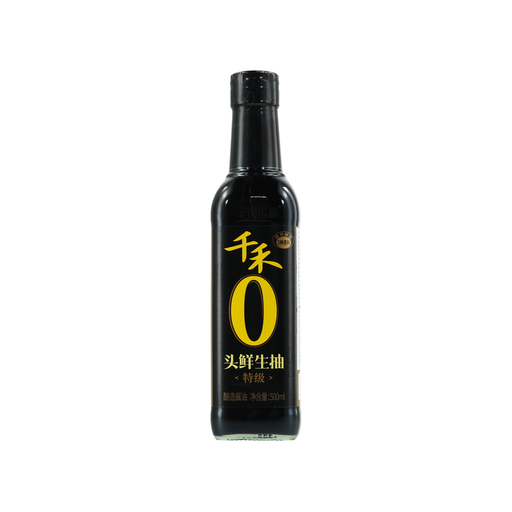
Why we recommend it: The "First Press" designation guarantees that only the first extraction from the fermentation is used. The result? A fresher flavour and a more subtle aroma. This is the choice for connoisseurs seeking authenticity.
Here, the "premium" positioning isn't just a marketing claim; it's based on a tangible production criterion (the "first press"). This is a product for those who seek out and appreciate that nuance.
A pure, fresh umami flavour, perfect for applications where it won't be masked by cooking: as a dipping sauce for gyoza, or to season a cold dish.
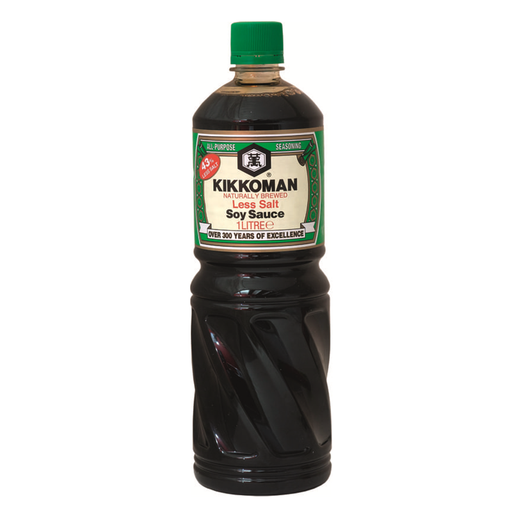
Why we recommend it: Kikkoman is THE benchmark for **Japanese soy sauce**. This reduced-salt version contains **9.1g of salt per 100ml**, a significant reduction that allows you to control your sodium intake without sacrificing the brand's characteristic umami flavour.
This sauce doesn't just make a vague "less salt" promise. It provides a clear and reliable figure (9.1g/100ml), allowing for an objective comparison and sidestepping the trap of ambiguous marketing labels.
Enjoy the authentic taste of a major brand while managing your sodium intake. The 1L format is perfect for regular use.
We have selected a full range of products that meet our selection criteria and regulations.
1. What's the difference between light and dark soy sauce? Light soy sauce is thinner and saltier; it's used for seasoning. Dark soy sauce, which is thicker and slightly sweet, is primarily used to add colour to dishes (braised meats, caramel pork) to give them a beautiful amber hue.
2. How should I store soy sauce after opening the bottle? Once opened, store your bottle in the refrigerator. The cold best preserves its freshness and aromas. Although its high salt content acts as a natural preservative, the fridge slows down oxidation, which can alter the taste over time.
3. Is using Chinese soy sauce for sushi a good or bad idea? Technically, nothing is stopping you, but it's not ideal. For sushi and sashimi, Japanese shoyu is traditionally preferred, as its rounder, subtly sweet flavour enhances raw fish without overpowering it. A Chinese light soy sauce, by contrast, will be more frankly salty and less nuanced.