
Livraison le jour même ou le lendemain

Qualité garantie

Débloquez vos offres de bienvenue: Livraison GRATUITE | Jusqu'à -80 % | 30 jours d'essai gratuits à JoyPlus
Téléchargez l'application
Standing in the soy sauce aisle can be overwhelming. Japanese, Chinese, sweet, light, dark... the options are endless, and every bottle promises an "authentic" flavour. But be warned: not all soy sauces are created equal, and more importantly, they aren't used in the same way. So, how do you navigate the choices and pick the right one to truly elevate your dishes?
I'm the Head of Product Recommendations at Joybuy, and my mission is to guide you through this maze. This guide gets straight to the point: giving you the keys to buy the perfect soy sauce for your recipes, whether you're making sushi, a marinade, or a stir-fry.
Before we get to our top picks, let's review the essential points that make all the difference.
The country of origin is the first clue: it largely determines the sauce's taste and texture.
A quality soy sauce is the result of a natural fermentation process that can last several months. The key is to read the label. The ingredient list should be short and simple (water, soybeans, wheat, salt). Avoid long lists that mention flavour enhancers (like MSG or E621), colourings, or too many preservatives. Traditional fermentation is all that's needed to develop a complex, umami-rich flavour.
Your recipe dictates the choice.
We've scoured the market to find three standout products, each with a specific purpose.
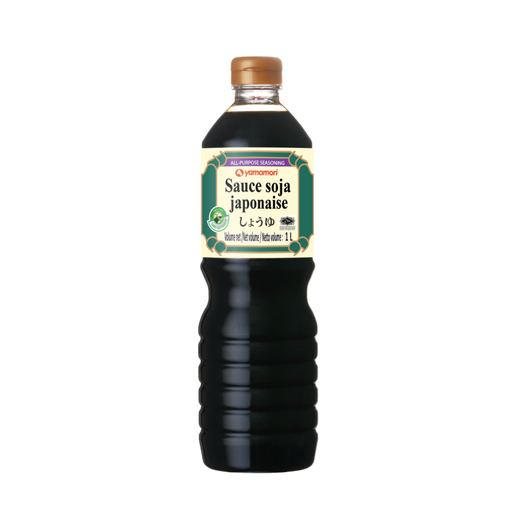
What sets it apart: This premium-grade ("Jokyu") soy sauce is brewed using a traditional Japanese method. Its long, natural fermentation gives it a light colour, a pronounced umami, and a subtly sweet finish. It's the ultimate all-rounder for Asian cuisine.
Key features:
Who is it for? For Japanese cooking enthusiasts looking for a versatile sauce that's as good on the table as it is in the kitchen for preparing broths and sauces.
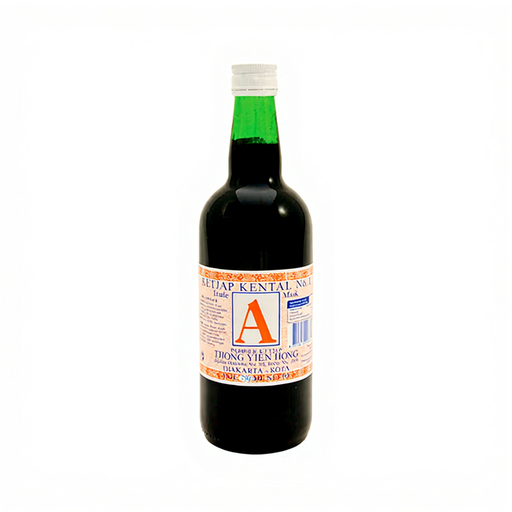
What sets it apart: An authentic Indonesian kecap manis. Its thick, syrupy texture, combined with its intense sweet-and-salty taste, makes it the secret ingredient for transforming a simple dish into a complex and flavourful experience.
Key features:
Who is it for? For those who want to recreate the flavours of Indonesian cuisine or are looking for a sweet alternative for their marinades and barbecue sauces.
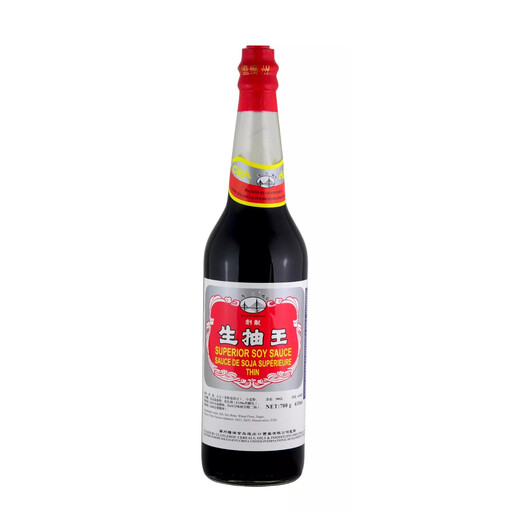
What sets it apart: This light Chinese soy sauce is a pillar of everyday cooking in China. Its role is to add a salty, umami flavour without darkening the food. This makes it indispensable for stir-fries, clear soups, and dipping sauces.
Key features:
Who is it for? Essential for anyone who regularly cooks Chinese food and needs a reliable, foundational seasoning for stir-fries, broths, or steamed vegetables and seafood.
Does our selection not quite meet your needs? Are you following a special diet? Other choices are available. For instance, if you're looking for a sweet flavour but without gluten, some very interesting alternatives are available.
? Discover our range of gluten-free sweet soy sauce
Light soy sauce is thinner, saltier, and primarily used for seasoning. Dark soy sauce is aged longer, often with molasses. As a result, it's thicker, less salty, darker, and has a richer flavour. It's mainly used to add colour to dishes and in marinades.
It's best to opt for a high-quality Japanese soy sauce (shoyu). Its more delicate and balanced taste complements the flavour of raw fish without overpowering it. A Chinese soy sauce, which is often much saltier, would likely mask the subtleties of the sushi.
To preserve its flavour, the solution is simple: store the bottle in the refrigerator once opened, with the cap tightly sealed to prevent oxidation. Most soy sauces will keep for several months in the fridge without any issues.