
Livraison le jour même ou le lendemain

Qualité garantie

Débloquez vos offres de bienvenue: Livraison GRATUITE | Jusqu'à -80 % | 30 jours d'essai gratuits à JoyPlus
Téléchargez l'application
Standing in the sauce aisle, choosing a bottle of soy sauce can quickly become overwhelming. Light, dark, Japanese, Chinese… The labels multiply, and it's easy to get lost. Yet, each sauce has a specific role in the kitchen. This guide breaks down these differences for you and helps you choose the perfect seasoning for your dishes, whether it's for a flavourful marinade, a quick stir-fry, or a sushi night.
Our mission: to provide you with clear, practical information to make an informed choice, free of marketing jargon.
To find the perfect soy sauce for your needs, you just need to understand a few key distinctions. These criteria will guide you through the aisles and help you add a truly versatile Asian seasoning to your pantry.
The first and most important distinction is between light soy sauce and dark soy sauce.
Although both are staples, their flavour profiles differ due to their production methods.
Your recipe is your best guide.
To get you started, here is our selection of bottles, each tailored to a specific culinary need.
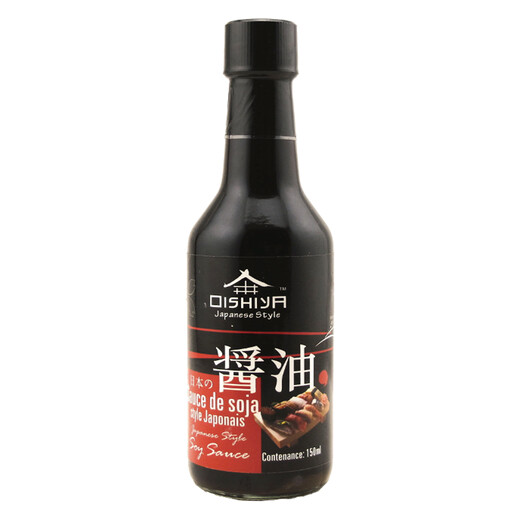
Why it stands out: A sauce specially formulated to accompany raw fish. Made with 30% soybeans, it delivers an authentic and balanced umami flavour that enhances the taste of sushi and sashimi without ever overpowering it. Its elegant glass bottle is also practical for table service.
Pros:
Who is it for? Homemade sushi and sashimi lovers looking for the ideal Japanese soy sauce for dipping to elevate their creations.

Why it stands out: This is the secret ingredient for adding rich colour and deep flavour to your slow-cooked dishes. Less salty than the light version, this dark soy sauce from the renowned Lee Kum Kee brand provides that characteristic caramelised touch found in braised dishes like Hong Shao Rou (red-braised pork).
Pros:
Who is it for? Those who love to prepare stews, braised meats, or marinades and want to achieve that signature mahogany colour and a more intense flavour.
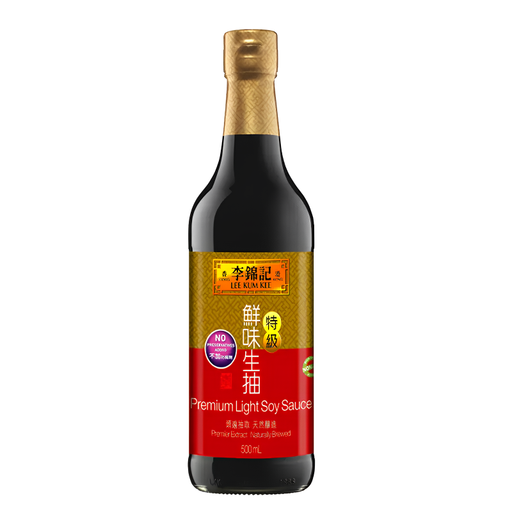
Why it stands out: This is the benchmark light soy sauce, a true pantry staple. Fermented from non-GMO soybeans, it has a pronounced soy aroma and a distinct umami flavour. Its versatility makes it the smart choice for everyday use: seasoning a wok, preparing a dressing, or simply dipping dumplings.
Pros:
Who is it for? Anyone looking for a fundamental Asian seasoning. If you could only have one bottle of soy sauce in your pantry, this would be it.
Our selection is an excellent starting point for stocking your kitchen. But the world of soy sauce is much broader: there are low-sodium versions, gluten-free sauces (tamari), and even artisanal products with unique flavours.
To discover a wider range and find the bottle that perfectly matches your tastes and needs, explore our complete Natural Soy Sauce category.
In short, light soy sauce is thinner and saltier; it's used for seasoning without adding much colour. Dark soy sauce is thicker, less salty, and slightly sweet. It's mainly used to give a rich colour and deep flavour to stews and marinades.
While it's technically possible, it's best to use a Japanese soy sauce (shoyu). Its more delicate and less aggressively salty flavour complements the taste of raw fish without masking it. Using a dark soy sauce, for example, would be far too overpowering and would ruin the experience.
Once opened, store your bottle in the refrigerator. The cold helps preserve its aromas and freshness for longer. Just remember to close the cap tightly after each use. The best-before date is always indicated on the packaging.