Savoury breakfasts
For seasoning eggs, rice, vegetables or tofu, choose a size that suits how often you’ll use it, and check that the sauce is suitable for savoury dishes.


When seasoning a savoury breakfast, first choose a soy sauce whose ingredients suit the dish, then compare the salt per 100 ml and check the allergens. A reduced-salt version still needs to be measured out. If you need to avoid gluten, look for a ‘gluten-free’ label on the bottle rather than relying on the name ‘tamari’ alone.
For seasoning eggs, rice, vegetables or tofu, choose a size that suits how often you’ll use it, and check that the sauce is suitable for savoury dishes.
A sauce explicitly labelled as reduced in salt may suit your needs, but it’s still a condiment to use sparingly, especially if your meal already contains other salty foods.
The name ‘soy sauce’ isn’t enough: the classic Kikkoman sauce listed by Carrefour contains wheat. Check for a ‘gluten-free’ label and review the allergens on the bottle you choose.
For a savoury breakfast, start with how you plan to use the sauce, then check the ingredients, salt content and allergens of the specific product.
| Criteria | What to check | Who is it for? |
|---|---|---|
| Size | Choose a size that suits how often you use it, and read the storage instructions for after opening. | If I only season food with it now and then, I’d prefer a bottle I can use within the stated storage guidelines. Around 25% of consumers put this need for a suitable size first. |
| Salt | Compare the ‘salt’ value per 100 ml for specific products, then measure out the sauce. | If my breakfast already includes salty foods, I want to control how much sauce I add. This is the top priority for around 25% of consumers. |
| Gluten and allergens | Check the ‘gluten-free’ label, ingredients and allergens on the exact product packaging. | If I need to avoid gluten, I can’t assume a classic soy sauce is suitable without checking the label. Around 25% of consumers prioritise this compatibility. |
| Ingredients | Tell the difference between a soy sauce condiment and a soy-based cooking preparation; check the ingredients and sugars per 100 ml. | When seasoning a savoury dish, I want to know what’s in the sauce rather than relying on its name. Ingredients are the top criterion for around 25% of consumers. |
Kikkoman’s reduced-salt soy sauce still contains 9.2 g of salt per 100 ml, according to Kikkoman France. The label describes a difference compared with another recipe; it doesn’t mean you can use as much as you like.
Add a small amount and taste before adding salt to the dish.
The classic Kikkoman recipe listed by Carrefour contains wheat. So you can’t tell whether a bottle is suitable for a gluten-free diet from the product category name alone.
Look for a ‘gluten-free’ label, and check the ingredients and allergens on the bottle you buy.
Carrefour describes its ‘Carrefour Classic’ Cooking Soy Sauce’ as a cooking preparation made with soy juice and oil. It’s not the same category as a salty table soy sauce.
Read the product description and ingredients if you’re looking for a sauce to pour straight over your breakfast.
The range includes a classic sauce, a reduced-salt version and a tamari labelled gluten-free.
The salted soy sauce listed by Carrefour comes in a 125 ml bottle.
E.Leclerc lists a Tables du Monde soy sauce in a 125 ml bottle.
The salted and organic products listed by Auchan let you compare two different ingredient profiles from the brand.
These products cover a range of seasoning needs: a version called ‘Less Salt’, a tamari labelled gluten-free and ‘Light’ soy sauces. For the latter, ‘Light’ alone doesn’t mean the salt content is reduced, so compare the nutritional values on the bottles.
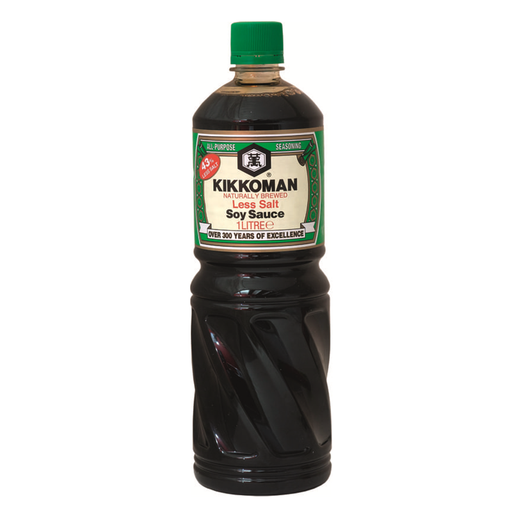 Image unavailable
Worth considering if you’re looking for a soy sauce described as lower in salt for seasoning. The bottle holds 1 L. Check the salt content and allergens on the exact product, then use it sparingly as a condiment.
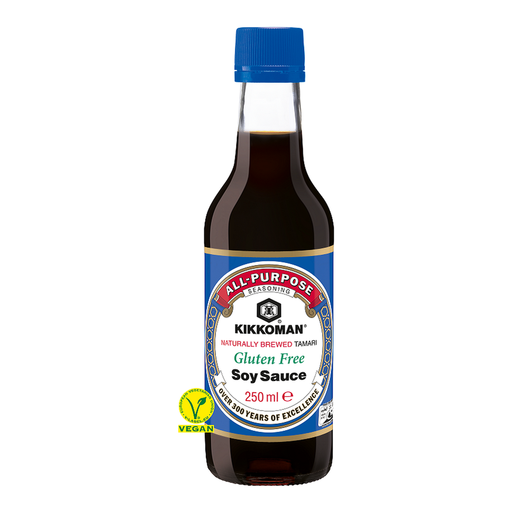 Image unavailable
Consider this if you’re looking for a tamari labelled ‘gluten-free’. The bottle holds 250 ml. Check the label, allergens and salt content on the packaging you receive.
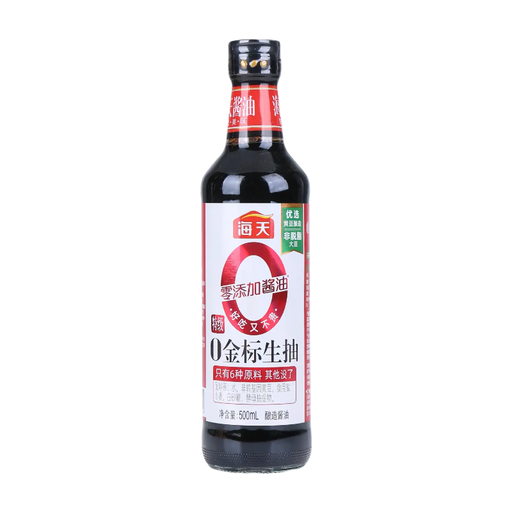 Image unavailable
This 500 ml soy sauce is an option for seasoning a savoury dish. Check its nutritional values and allergens: the word ‘Light’ isn’t enough to tell you how much salt it contains.
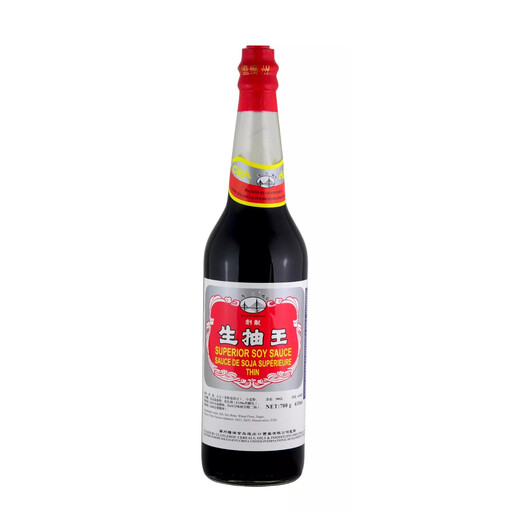 Image unavailable
The 610 ml size may suit you if you use soy sauce regularly as a condiment. To compare it with other products, check the sugars, salt and allergens on this bottle.
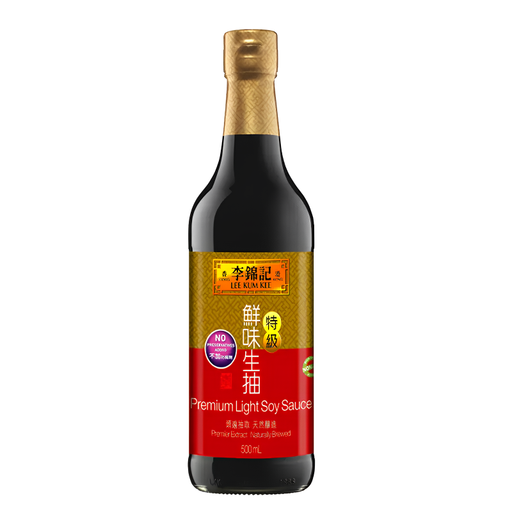 Image unavailable
This 500 ml soy sauce is worth considering for seasoning. Compare the nutritional values per 100 ml and check the allergens before choosing it for your savoury breakfast.
Choose a sauce intended for seasoning, and check its ingredients and sugars per 100 ml. A sauce described as ‘salted’ isn’t necessarily sugar-free: Auchan’s product listing for its salted soy sauce shows 16 g of sugars per 100 ml.
No. The reduction is relative to another recipe, so you still need to measure how much you pour. According to Kikkoman France, its reduced-salt version still contains 9.2 g of salt per 100 ml.
Not necessarily: the classic Kikkoman sauce listed by Carrefour contains wheat. If you need to avoid gluten, check for a ‘gluten-free’ label and review the allergens on the packaging of the product you choose.
Follow the storage instructions and use-by period after opening shown on the bottle. These may vary from one product to another.