People prioritising lower sugar
When seasoning eggs, vegetables, tofu or rice without looking for a sweet flavour, check the “of which sugars” value for the specific product. The name “soy sauce” alone doesn’t tell you how the recipes differ.


To keep sugar down in a savoury breakfast, compare the “of which sugars” line on soy sauces rather than assuming that a reduced-salt version will also meet this goal. Check salt and allergens separately: a less sweet sauce can still be high in salt, while sweet soy sauce suits a different taste preference.
When seasoning eggs, vegetables, tofu or rice without looking for a sweet flavour, check the “of which sugars” value for the specific product. The name “soy sauce” alone doesn’t tell you how the recipes differ.
A sugar level that suits you doesn’t settle the question of salt. Anses lists sauces and condiments among dietary sources of sodium, so compare both values and take into account how much you pour.
If you want a sweet sauce to drizzle over a bowl or vegetables, sweet soy sauce may suit the flavour you’re after. Still, check its sugar and salt content rather than treating it as a reduced-sugar option.
First decide whether you want to avoid sweetness or keep it. Then compare the nutritional values of specific products, distinguishing between figures per 100 g and per 100 ml.
| Criterion | What to check | Who it matters to |
|---|---|---|
| Sugars | The “of which sugars” line per 100 g or 100 ml and the ingredients list; don’t assume sugars are reduced just because the label makes a claim about salt. | To keep my eggs or tofu savoury without a very sweet-tasting sauce, I prioritise sugar content; around 50% of consumers put limiting sugar first. |
| Salt | The salt content on the same basis of comparison and the amount of sauce you plan to use. | If I season my breakfast rice, choosing a less sweet sauce doesn’t mean I can ignore the salt; around 30% of consumers put salt ahead of other criteria. |
| Sweet flavour | The name “sweet soy sauce”, the ingredients and the sugar and salt values for the product you’ve chosen. | I’m deliberately looking for a sweet note with vegetables or a sweet-and-savoury bowl; around 20% of consumers prioritise this preference. |
Kikkoman France and Auchan product information lists 52 g of sugars per 100 ml for a Kikkoman sweet soy sauce, 66 g per 100 ml for an Auchan sauce and 69 g per 100 ml for a Sushi Gourmet sauce. These figures apply to these three products, not to all soy sauces.
If sugar is your main concern, compare the “of which sugars” line and the ingredients before choosing a sweet sauce for its flavour.
Reducing salt and reducing sugar are two different things. The reduced-salt Kikkoman sauce listed by Kikkoman France contains 3.8 g of sugars and 9.2 g of salt per 100 ml. The salt claim doesn’t replace checking the nutritional values.
Compare “of which sugars” and “salt” separately with the values for the sauce you already use.
The Kikkoman and Auchan products described here contain, among other ingredients, soya and wheat. A plant-based description on its own doesn’t tell you which allergens are in the specific product you buy.
If you have an allergy or avoid wheat, check the ingredients and highlighted allergens on the exact product packaging. The DGCCRF says allergenic ingredients must be identified on the label.
The amount of salt shown per 100 g or 100 ml may not match the amount you consume. Anses identifies sauces and condiments among dietary sources of sodium.
Pour a small amount, taste, then adjust to suit your dish and the instructions for the product you’ve chosen.
These examples let you compare specific products; the values for one sauce don’t represent a brand’s entire range.
Kikkoman France lists, among other products, a sweet soy sauce and a reduced-salt sauce. These descriptions refer to different criteria.
AUCHAN’s 150 ml sweet soy-based condiment sauce is an example of a product designed to add a sweet note.
The 185 ml Sushi Gourmet sweet soy sauce distributed by Auchan is another example of a sauce with a sweet flavour.
These products are offered for seasoning savoury dishes. Their sizes and suggested uses may help you choose, but their names don’t prove a “reduced sugar” claim: compare nutritional values on the same basis and check the salt too.
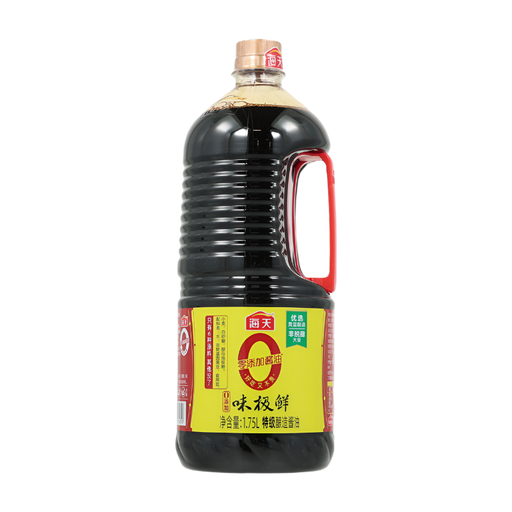 Image unavailable
If you regularly season savoury dishes, check whether the 1.75 L size suits how you’ll use it at breakfast. Compare the sugar and salt on the label; “0% Additives” doesn’t tell you either of these values.
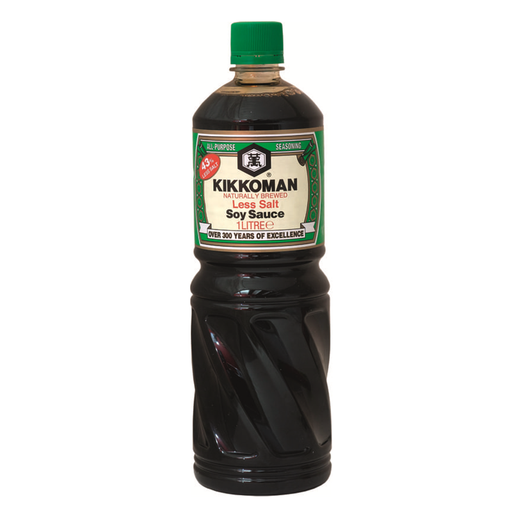 Image unavailable
If you want to check salt as well as sugar in a savoury seasoning, compare the figures for both in this Less Salt version with those for your usual sauce. It comes in a 1 L size; “Less Salt” doesn’t mean “reduced sugar”.
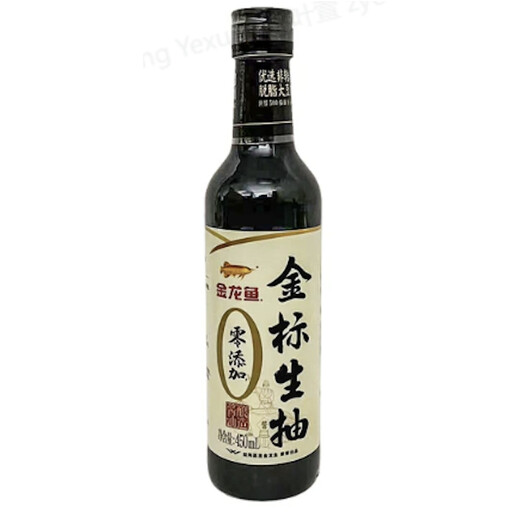 Image unavailable
For seasoning savoury dishes in a 450 ml size, compare this product with other sauces by checking the “of which sugars” and “salt” lines. The word “Light” in its name alone doesn’t mean it’s reduced in sugar or salt.
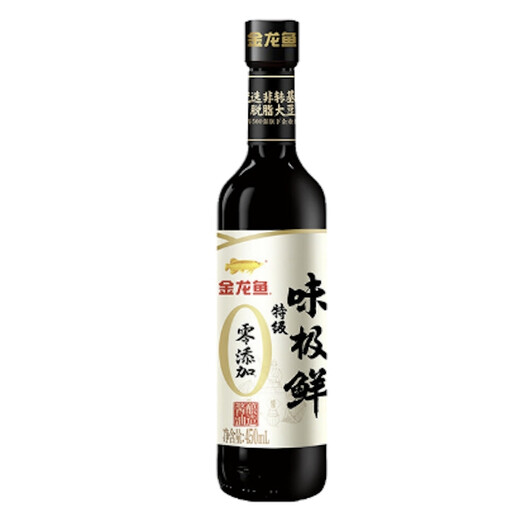 Image unavailable
If you’re considering this 450 ml sauce for a sweet-and-savoury dish, check that its flavour and sugar content match what you’re looking for. Before comparing it with product information expressed per 100 ml, make sure the nutritional values are given on the same basis.
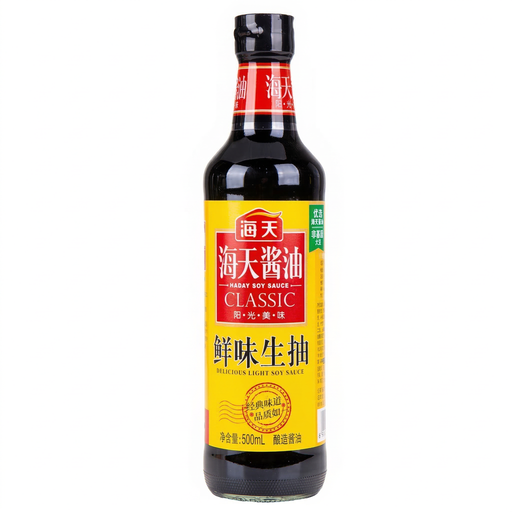 Image unavailable
For a cooked savoury dish, you can compare this 500 ml size with other sauces by checking the sugar and salt values. The instructions for this product say to cook it before consumption, so check them before adding it to a cold dish or serving it straight at the table.
No: check the two values separately for the specific product. Kikkoman France lists 3.8 g of sugars and 9.2 g of salt per 100 ml for its reduced-salt sauce, compared with 52 g of sugars per 100 ml for its sweet soy sauce. These figures don’t represent every Kikkoman product.
First compare the “of which sugars” line per 100 g or 100 ml, then read the ingredients list. If you’re specifically looking for a “reduced sugar” claim, check that it appears on the exact product: the DGCCRF says nutrition claims are regulated, and a claim about salt doesn’t count as a claim about sugar.
In particular, check the packaging of the product you buy for soya and wheat: these ingredients are present in the Kikkoman and Auchan products described here. According to the DGCCRF, allergenic ingredients must be highlighted on the labels of prepacked foods.
Follow the instructions on the specific bottle. Auchan’s product information for AUCHAN and Sushi Gourmet sweet soy sauces says to refrigerate them after opening; for the 150 ml AUCHAN sauce, it also says to use within one month.
Yes: a lower sugar content doesn’t tell you how much salt the sauce contains. Anses includes sauces and condiments among dietary sources of sodium, so check the “salt” value and consider how much sauce you use at breakfast.