Households that cook with soy sauce regularly
For noodles, marinades and stir-fries during the week, choose a bottle size that matches how much you actually use.


For your weekly shop, choose a bottle size you can use while following the storage instructions after opening. A classic soy sauce can work in a range of dishes if its ingredients suit you. If salt or gluten is a priority, check the specific variety and product label.
For noodles, marinades and stir-fries during the week, choose a bottle size that matches how much you actually use.
If reducing salt is a priority, look for a variety labelled as reduced salt and check the salt content in the nutrition information for that specific product.
Classic soy sauce may contain wheat. Look for a sauce explicitly labelled gluten-free, and check whether it contains soya too.
Start with a recipe that suits your household, then choose a bottle size that works for your meals and the storage instructions on the bottle.
| Criteria | What to check | Who is it for? |
|---|---|---|
| Suitable bottle size | Volume and storage instructions after opening. | If I use the sauce in several meals, I want to finish the bottle while following the instructions on its label; around 36% of consumers may prioritise choosing the right size. |
| Versatile recipe | Name and ingredients: salted soy sauce, sweet soy sauce or soy-based condiment. | For seasoning different dishes throughout the week, I’m looking for a recipe that works with those meals; around 29% of consumers may prioritise versatility. |
| Salt | Reduced-salt claim and salt content per 100 ml. | If I want to choose a less salty variety, I want to know its stated salt content rather than rely on the name alone; around 21% of consumers may prioritise this. |
| Gluten and soya | Gluten-free claim, ingredients and allergens for the specific product. | If I need to avoid gluten, I need a sauce clearly labelled gluten-free, while remembering to check for soya too; this may be the main priority for around 14% of consumers. |
Salted soy sauce, sweet soy sauce and soy-based condiments can have different ingredients and sugar contents.
Check the product name, ingredients and nutrition information before choosing a bottle for your recipes.
An opened bottle should be stored according to the instructions for that product. Some product listings also give a recommended period for use after opening.
Estimate how much you’ll use during the week and check the label before choosing a larger size or multipack.
A reduced-salt sauce may contain wheat and soya. Conversely, gluten-free tamari may contain soya and a notable amount of salt.
Check the salt content, ingredients list and allergens separately for each variety.
The range shown includes a classic soy sauce, a reduced-salt variety and tamari labelled gluten-free.
Carrefour lists salted Suzi Wan soy sauce in 250 ml and 640 ml bottles.
Auchan lists a salted soy sauce and a Tanoshi reduced-salt variety, among others.
These products offer several options for weekday meals: a less salty variety, classic sauces in different sizes, gluten-free tamari and a large bottle of light soy sauce. First choose a recipe that suits your requirements, then pick a size you’ll use.
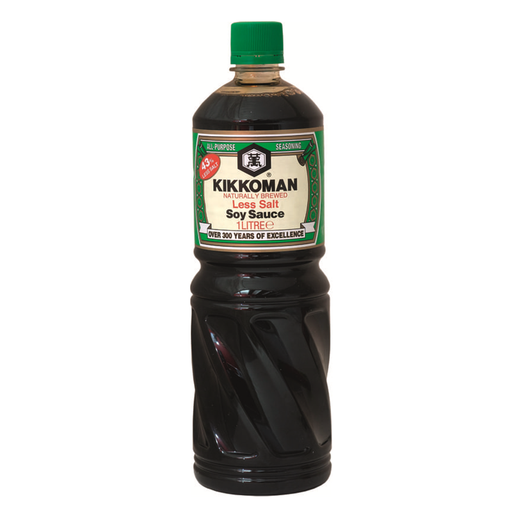 Image unavailable
Worth considering if you use soy sauce regularly and are looking for a less salty variety. Check the salt content and allergens on the label of this bottle.
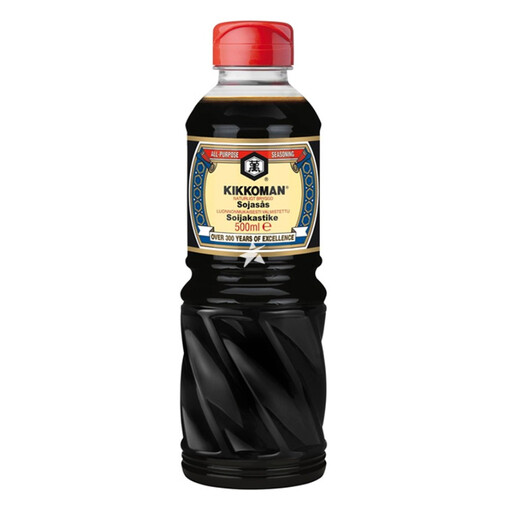 Image unavailable
A classic soy sauce to consider for a range of meals during the week, if this recipe suits your household. The bottle contains 500 ml; check the allergens if you need to avoid soya or wheat.
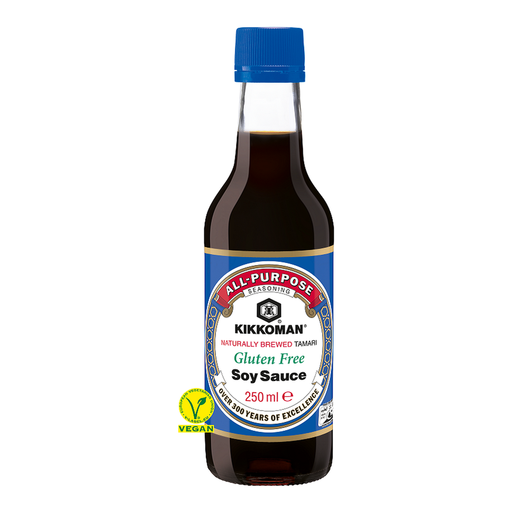 Image unavailable
This tamari is labelled gluten-free and comes in a 250 ml bottle. If you need to avoid gluten, check the label on the product you receive; also check for soya and the salt content.
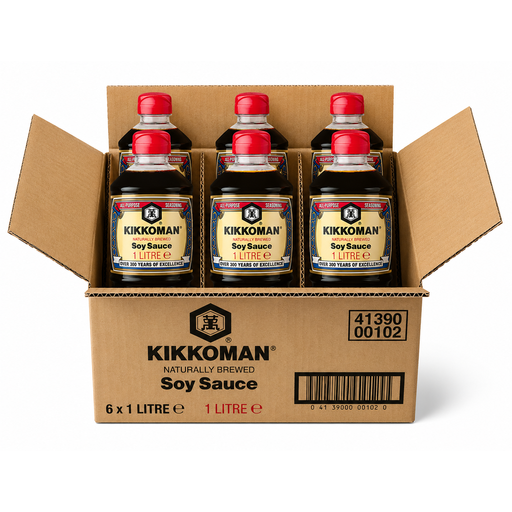 Image unavailable
This multipack is suited to frequent, high-volume use of soy sauce. It contains six 1 L bottles, so make sure you have room to store them and follow the storage instructions after opening.
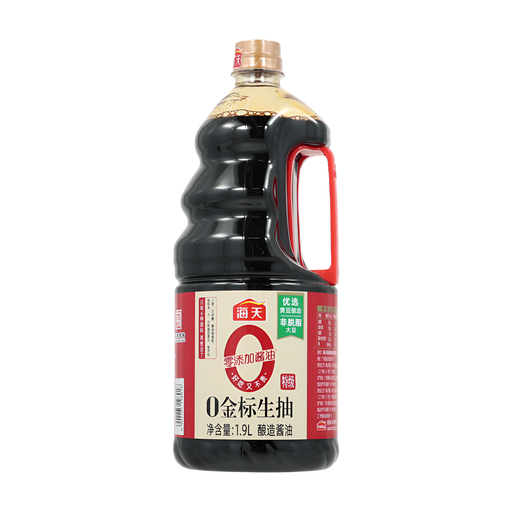 Image unavailable
This 1,9 L size is designed for regular use in the kitchen. Here, “Light Soy Sauce” refers to the product variety, not a reduced-salt claim. Check the nutrition information and storage instructions after opening.
Choose a size that suits how often you use it and the instructions for storage after opening. A large bottle or multipack is best if you plan to use it regularly and can store the bottles as directed.
Not necessarily: the classic Kikkoman and Suzi Wan recipes listed by Carrefour contain wheat. Choose a product explicitly labelled gluten-free and check the label on the size you buy.
No: “reduced salt” does not mean “salt-free”. Kikkoman’s listing for its reduced-salt variety states that it contains 9,2 g of salt per 100 ml, while Auchan’s listing for the Tanoshi variety states 8,6 g per 100 ml. Check the value for the specific product you choose.
Follow the instructions on the bottle you buy. Some product listings say to refrigerate the sauce after opening; Auchan’s listing for Tanoshi reduced-salt soy sauce also says to use it within a month.