People who cook with soy sauce regularly
If you use it several times a week for marinades, stir-fries or seasoning, a larger bottle may suit your routine. Make sure you also have enough space to store it after opening.


For your weekly shop, first choose a sauce that suits your recipes and any ingredients you need to avoid. Then pick a size you can use and store properly after opening. A standard 1 L bottle may suit frequent use; a multipack takes up more space and is only worthwhile if you expect to use every bottle. Sweet or reduced-salt varieties meet different needs, so check the exact recipe before buying in bulk.
If you use it several times a week for marinades, stir-fries or seasoning, a larger bottle may suit your routine. Make sure you also have enough space to store it after opening.
The recipe matters more than the size. Carrefour’s listing for Kikkoman’s standard 1 L soy sauce states that it contains soya and wheat; don’t assume a reduced-salt variety is gluten-free. Check each product before buying a large bottle or multipack.
Salty soy sauce and sweet soy sauce serve different purposes in the kitchen. Before choosing a larger size, check which one you’ll actually use in the meals planned for the week.
| Consideration | What to check | Who is it for? |
|---|---|---|
| Size and storage | Choose a bottle or multipack to suit how much you use, and read the storage instructions for after opening. | If I use soy sauce several times a week, I want to be able to finish each bottle after opening it. Around 50% of consumers might put this practical consideration first. |
| Ingredients | Check the ingredients and allergens for the exact product; look at its nutritional information if salt is a deciding factor. | If I need to avoid an ingredient or want a reduced-salt recipe, the variety name alone isn’t enough to help me choose. Around 30% of consumers might prioritise whether the recipe meets their needs. |
| Type of sauce | Choose between salty, sweet and other varieties according to the recipes you have planned. | For the meals I’m making this week, I want to buy the sauce I’ll actually use, rather than automatically swapping salty soy sauce for sweet. Around 20% of consumers might put the type of sauce first. |
Carrefour’s listing for Kikkoman’s standard 1 L soy sauce mentions soya and wheat. The fact that another recipe is reduced-salt doesn’t mean it’s gluten-free either.
Read the ingredients and allergen information for the product you’ve chosen. If you need to avoid gluten, look for an explicit statement on that specific product.
Several bottles add up to a different total volume from a single 1 L bottle. A multipack is only useful if you can store each bottle and use it according to its instructions.
Think about how much you usually use and how much storage space you have before choosing a multipack.
Auchan’s listing for the standard 1 L Kikkoman bottle says to refrigerate it after opening. Instructions may vary by product.
Read the label before opening a large bottle, and make room in the fridge if refrigeration is required.
The Kikkoman sweet soy sauce described by Carrefour Traiteur has a different composition and culinary use from standard salty soy sauce.
Choose sweet soy sauce for recipes where you want that flavour, rather than basing your choice on size alone.
The range includes standard and reduced-salt varieties, a tamari that Kikkoman describes as gluten-free, and a sweet soy sauce. Carrefour and Auchan list a standard 1 L bottle.
Carrefour lists a 640 mL bottle of Suzi Wan salty soy sauce, as well as a separate reduced-salt variety.
Carrefour lists Tanoshi salty and reduced-salt soy sauces, including a 20 cL bottle of the salty variety.
These options include 1 L bottles, a pack of six bottles, a 1.9 L container and specialist recipes. First choose the type of sauce that suits your dishes, then pick a size you can use and store after opening.
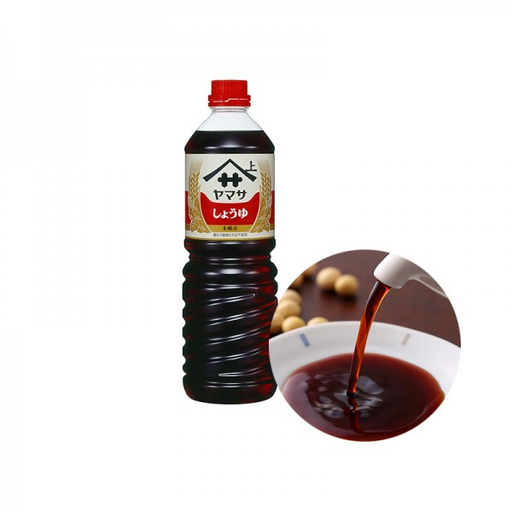 Image unavailable
This bottle may suit you if you regularly use soy sauce in meals throughout the week.
Before choosing the 1,000 mL size, check the ingredients and storage instructions on the label.
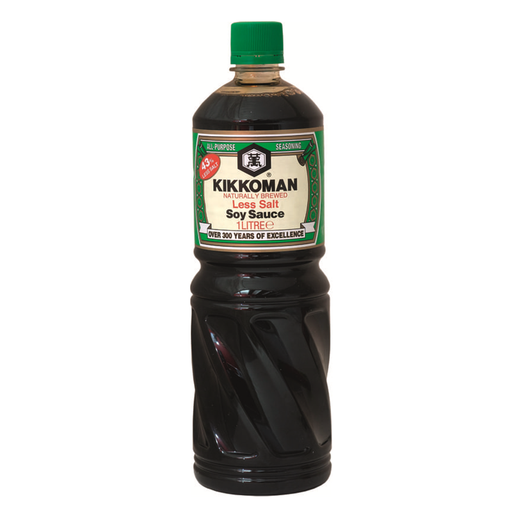 Image unavailable
This 1 L bottle of Less Salt is for shoppers specifically looking for this type of recipe in a larger size.
The reference to salt alone doesn’t tell you whether the product contains gluten. Check the ingredients and nutritional information for this specific variety.
Image unavailable
This multipack may suit you if you need several bottles, for example for regular use across several kitchens.
The six bottles hold 6 L in total. Make sure you can store them and use each one according to the instructions on its label.
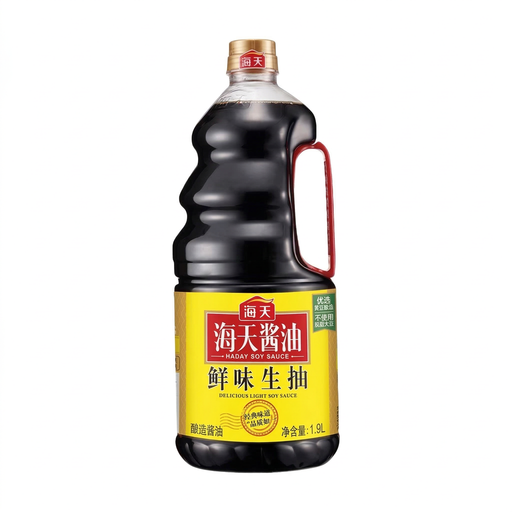 Image unavailable
Consider this 1.9 L container if you use enough soy sauce to need more than a 1 L bottle.
“Light” is part of the product name, so check the nutritional information rather than assuming it means the sauce is lower in salt. Also check the instructions for after opening.
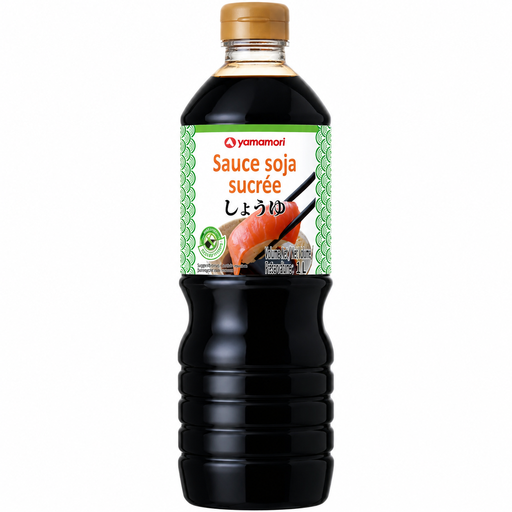 Image unavailable
This bottle is worth considering in a larger size if your recipes call for sweet soy sauce rather than standard salty soy sauce.
It holds 1 L. Check the sugar content in the nutritional information and read the storage instructions before choosing this size.
No. Carrefour’s listing includes wheat and soya among the ingredients. Kikkoman lists a separate gluten-free tamari; check the claim and allergen information on the product you’re buying.
Follow the instructions for the product you’ve chosen. Auchan’s listing for Kikkoman’s standard 1 L soy sauce says to refrigerate it after opening; also check the packaging for any stated use-by period.
Check the product name, ingredients, allergens, nutritional information, net quantity, date and storage instructions. This will help you distinguish between recipes and plan how to use each bottle in the pack.
Not without changing the recipe: sweet soy sauce is intended for a different culinary result. Carrefour Traiteur’s listing for a Kikkoman sweet sauce states that it contains 52 g of sugars per 100 mL. Choose the variety to suit the dish you’re making, and check the nutritional information for the specific product.