
Livraison le jour même ou le lendemain

Qualité garantie

Débloquez vos offres de bienvenue: Livraison GRATUITE | Jusqu'à -80 % | 30 jours d'essai gratuits à JoyPlus
Téléchargez l'application
When facing the condiment aisle, choosing a bottle of soy sauce can quickly become overwhelming. Light, dark, Japanese, sweet, salty… How do you navigate the options and, more importantly, how can you be sure you're picking the one that will elevate your sushi, marinades, or stir-fries??
Our mission at Joybuy is to bring you some clarity. This guide breaks down the different types of soy sauce and presents a curated selection, designed for every culinary need. The goal: to help you choose the perfect soy sauce for your kitchen.
Before diving into our selection, here are the essential criteria for making the right choice.
Not all soy sauces are created equal, nor do they serve the same purpose in the kitchen.
A quality soy sauce is always the result of natural fermentation. Favour products with a short and simple ingredient list: soybeans, wheat (except for tamari), water, and salt. Steer clear of sauces made through chemical hydrolysis; their production is faster, but their quality (and taste) suffers.
An additive-free soy sauce (with no preservatives, colourings, or flavour enhancers like MSG) is a true mark of quality and authentic flavour.
It all depends on your recipe. For a delicate tasting experience like sushi, a Japanese-style soy sauce for sushi is essential to avoid overpowering the subtlety of the fish. For a slow-cooked dish that needs colour and depth, a dark sauce will be more appropriate. For versatile, everyday use, a light soy sauce or a classic Kikkoman is a reliable choice.
We have selected some essential references for you, chosen for their quality and relevance.
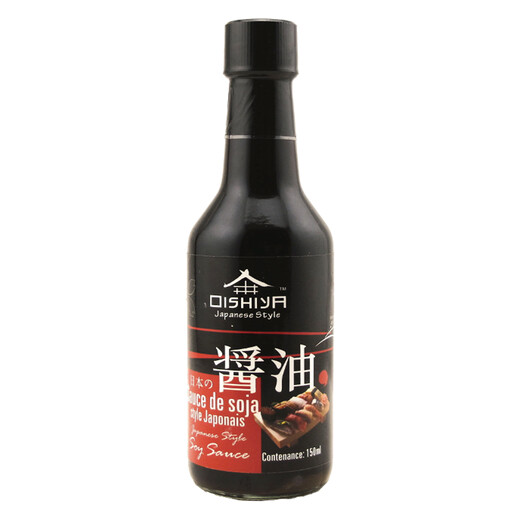
Why it stands out: Specially designed for sushi and sashimi, this Japanese soy sauce offers a perfect balance between salty and umami, without masking the delicate flavour of fresh fish.
Key features:
Who is it for? For Japanese cuisine enthusiasts who want the perfect condiment for their homemade sushi and sashimi.
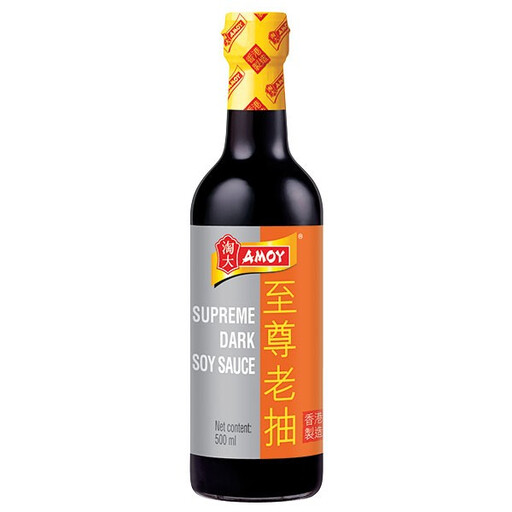
Why it stands out: A leading name among dark soy sauces, renowned for its ability to impart a rich colour and deep flavour to cooked dishes.
Key features:
Who is it for? For those who love slow-cooked meals, barbecue marinades, or stir-fries, and are looking for a sauce that adds both colour and depth.
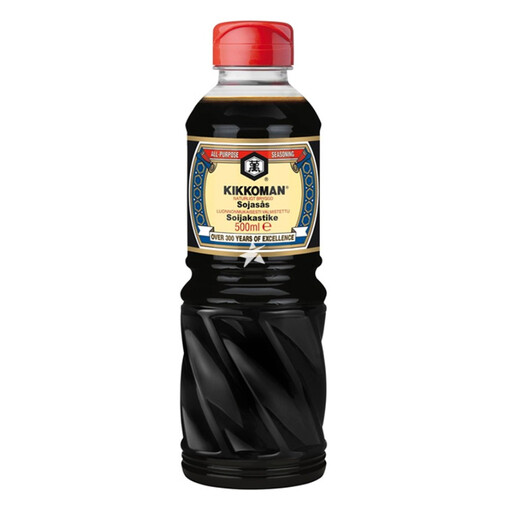
Why it stands out: Does Kikkoman soy sauce even need an introduction? It's the absolute classic, naturally brewed according to a traditional recipe. Its versatility makes it a pantry essential.
Key features:
Who is it for? For everyone! It's the ultimate all-purpose soy sauce, perfect for those looking for a single bottle for seasoning, marinating, and dipping.
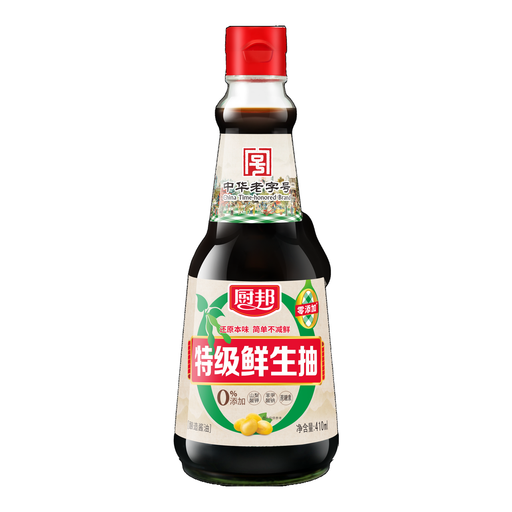
Why it stands out: This light soy sauce shines with its ultra-clean composition. The ideal choice for anyone seeking a natural product with an authentic flavour.
Key features:
Who is it for? For consumers who pay close attention to product ingredients and want an additive-free soy sauce for everyday use.
This selection covers the most common uses. If you have a more specific need or are simply curious, feel free to explore our full catalogue.
Discover our full range of classic soy sauce
Light soy sauce is thinner and saltier. It's used as a table condiment, for dipping, or to season a dish at the end of cooking. Dark soy sauce, which is thicker and milder, is perfect for cooking: it adds colour and body to marinades and slow-cooked dishes.
In theory, yes. But in practice, you might be disappointed with the result. A soy sauce for sushi, typically a Japanese shoyu, is designed to be milder and more nuanced to complement the flavour of the fish without overpowering it. Using a dark sauce, for example, would be far too strong and would mask the delicate aromas.
Once opened, a bottle of soy sauce should be stored in the refrigerator. The cold will best preserve its flavour and freshness, especially for naturally fermented, preservative-free sauces. Remember to close the cap tightly after each use.