
Livraison le jour même ou le lendemain

Qualité garantie

Débloquez vos offres de bienvenue: Livraison GRATUITE | Jusqu'à -80 % | 30 jours d'essai gratuits à JoyPlus
Téléchargez l'application
Whether you're vegetarian, vegan, or simply looking to diversify your protein sources, soy is a powerful ally in the kitchen. Nutritious and incredibly versatile, it comes in so many forms that it can be hard to know where to start. This guide is here to help you make sense of it all and choose the best soy products for your recipes—all without the unnecessary jargon.
A few simple criteria are all you need to make the right choice. Here's our advice to guide you.
The term soy protein actually covers a whole family of ingredients. Each form has its own unique texture and uses:
As a general rule, a short ingredient list is a sign of quality. For a soy protein product, soy should obviously be at the top of the list. Pay close attention to the protein content, its main nutritional benefit: a good product that is rich in plant-based protein should have over 30g of protein per 100g. Also, remember to check the salt and fat levels to see if the product aligns with your goals.
On the practical side, don't forget about preparation time. Dehydrated products like textured soy protein or tofu skin require rehydration before cooking. This is often quick (10 to 20 minutes in hot water or broth), but it's a detail to plan for. Whole soybeans, on the other hand, require a much longer soaking time (several hours) before they can be cooked.
At Joybuy, our mission is to find products that combine simplicity with culinary potential. Here is a selection that meets a variety of needs, tested and approved by our experts.
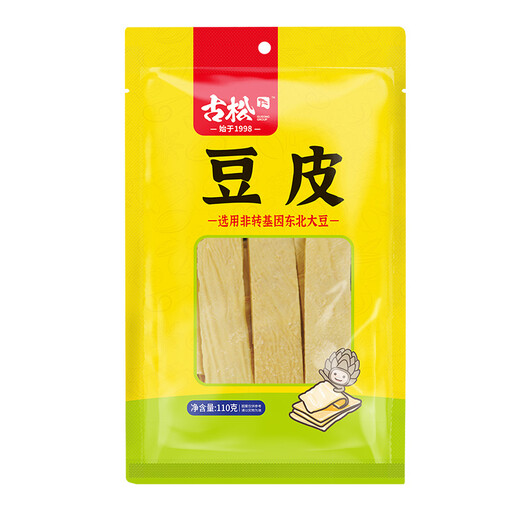
Why this product?
Tofu skin, or yuba, is an essential ingredient in Asian vegan cuisine. This version from Gusong comes in dried sheets that are easy to store and prepare. Its simple composition, with over 80% soy, guarantees an authentic product.
Highlights
Who is it for?
For Asian cuisine enthusiasts looking to recreate authentic flavours, as well as for anyone seeking a simple, quick-to-cook, high-protein ingredient.
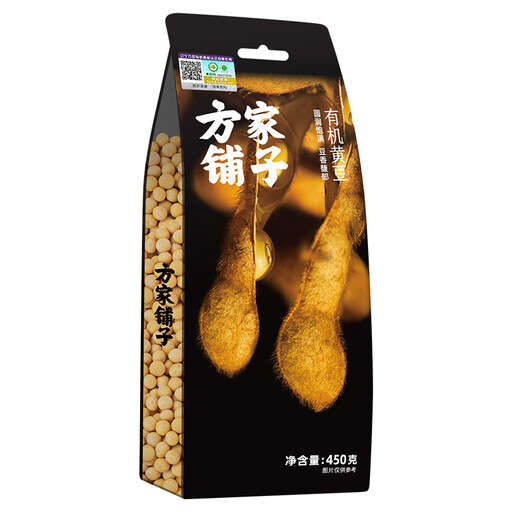
Why this product?
These organic soybeans are the ideal base for all your homemade creations. They give you complete control over the ingredients and flavours, whether you want to make your own soy milk, tofu, or simply cook them as a side dish.
Highlights
Who is it for?
For DIY enthusiasts who want to master the basics of plant-based cooking. It's also a very cost-effective solution for regular consumers of soy-based products.
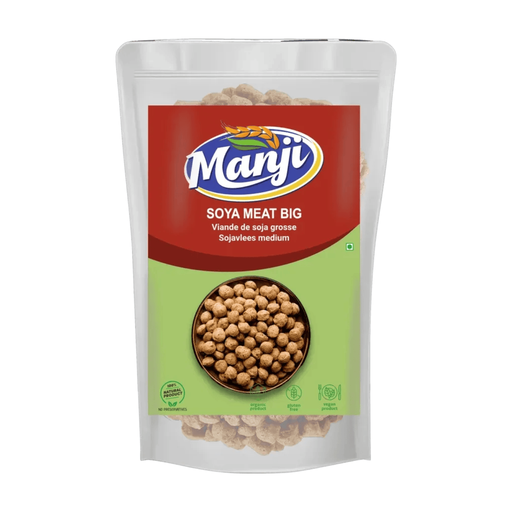
Why this product?
This textured soy protein, or soy meat, is the ultimate plant-based meat substitute. In large chunks, it offers a firm and satisfying chew. The ingredient list couldn't be simpler: just defatted soy flour.
Highlights
Who is it for?
For everyone (vegetarians, vegans, flexitarians) looking for a convincing alternative to meat for their curries, stews, or saucy dishes. It's also a powerful ally for athletes with high protein needs.
Our selection covers three very different uses for soy protein. If you're looking for other formats, like finer granules for a plant-based bolognese or medallions for homemade burgers, feel free to explore our dedicated section.
? Discover our full range of soy-based products
1. How do you cook soy protein?
It all depends on the form you choose. Dried tofu skin rehydrates in 10-15 minutes before being added to a soup or stir-fry. Textured soy protein also needs to be rehydrated (in hot water or broth) before being cooked like meat. As for organic soybeans, they must be soaked for several hours before being cooked, blended to make milk, or sprouted.
2. Is soy protein really high in protein?
Absolutely. It's actually one of the best sources of plant-based protein. The content varies from one product to another but remains very high: for example, Gusong tofu skin has 41.6g of protein per 100g, while Manji textured protein climbs to 52g per 100g. This makes it easy to meet your daily goals.
3. How should I store dehydrated soy products?
Tofu skin, textured soy protein, and dried beans keep very well in a cool, dry place away from light. Your kitchen cupboard is perfect for this. To best preserve their freshness, keep them in their original, well-sealed packaging or transfer them to an airtight container.
By the Joybuy product experts