People who prioritise protein
Whether it’s for breakfast, a smoothie or a snack, you check the grams of protein per 100 ml or in the serving you drink, then look at the sugar content.


To choose a soy drink as part of a high-protein diet, compare the grams of protein per 100 ml, then check the amount in your usual serving. If you’re limiting sugar, also read the ‘of which sugars’ line: ‘no added sugars’ doesn’t necessarily mean 0 g of sugars. A soy drink may suit you if you’re looking for a lactose-free option, but it isn’t suitable if you need to avoid soy.
Whether it’s for breakfast, a smoothie or a snack, you check the grams of protein per 100 ml or in the serving you drink, then look at the sugar content.
You’d like to keep soy drinks in your diet, but the ‘of which sugars’ value matters more to you than claims such as ‘high protein’ or ‘no added sugars’ on the pack.
You’re looking for an alternative to a dairy drink. Check the exact recipe: ‘lactose-free’ doesn’t mean the product is free from soy or other allergens.
Start with any ingredients you need to avoid. If soy is one of them, a soy drink won’t meet your needs. For other choices, compare protein and sugar at the same volume before looking at claims on the front of the pack.
| Criteria | What to check | Who it matters to |
|---|---|---|
| Protein content | Compare the protein per 100 ml, then check the amount in your usual serving. | For breakfast or a smoothie, I want to know how much protein I actually get from the amount I drink. Around 36% of consumers would prioritise this intake. |
| Sugars | Read the ‘of which sugars’ value per 100 ml and the ingredients list, even if the pack says ‘no added sugars’. | If I’m limiting sugar, a high-protein claim isn’t enough to help me decide. Sugar content would be the top priority for around 29% of consumers. |
| Lactose and dairy products | Check the relevant claims and the ingredients in the exact product you’re considering. | I’m looking to replace a dairy drink while continuing to consume soy. Around 21% of consumers would put avoiding dairy first. |
| Allergens | Check the allergens listed on the pack and any precautionary statements about traces that are relevant to you. | Before comparing nutrition values, I need to know whether the product contains an ingredient I avoid. If that’s soy, I need to choose a different type of drink. This compatibility would be a priority for around 14% of consumers. |
A soy drink can be lactose-free and still contain soy. It’s therefore unsuitable for anyone who needs to avoid this allergen.
If you have an allergy, check the ingredients list and allergen information on the exact product’s packaging rather than relying on a single ‘free-from’ claim.
Auchan’s product page for Bjorg Soja Protéines lists 5,2 g of protein and 2,4 g of sugars per 100 ml; its page for Bjorg Soja Sans Sucres lists 3,9 g of protein and 0 g of sugars per 100 ml. These values suit different priorities.
Compare both nutrition values per 100 ml, then work out how they measure up in your serving.
The Bio Village drink featured by E.Leclerc is labelled ‘no added sugars’, but contains 0,7 g of sugars per 100 ml.
If you’re following a specific limit, use the ‘of which sugars’ value in the nutrition declaration.
According to Anses, everyday drinks, whether plant-based or animal-based, cannot replace breast milk or infant formula for a baby under one year old.
For a baby, ask a healthcare professional for advice on age-appropriate feeding; don’t use an everyday soy drink as a replacement.
The soy products reviewed include no-added-sugar recipes and one recipe marketed as high in protein.
Auchan’s product pages let you compare Soja Protéines and Soja Sans Sucres on the same per-100 ml basis.
The organic plain soy drink with no added sugars featured by E.Leclerc offers a useful example of this labelling claim.
The calcium-enriched soy drink featured by E.Leclerc lets you explore a recipe that declares its calcium content.
This selection includes two ready-to-drink soy products and one powder to prepare. If you’re focusing on protein or sugars, compare the nutrition information for each product using the same units. Check separately for any ingredients you need to avoid.
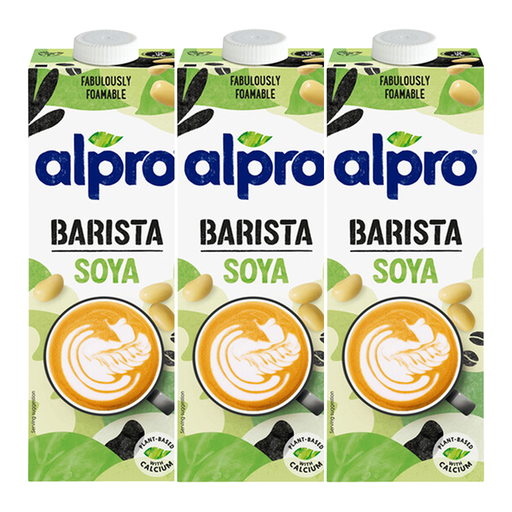 Image unavailable
This multipack could suit you if you regularly use soy drink in your recipes. If avoiding lactose is your priority, check the claim and ingredients on the packaging. Soy products aren’t suitable if you need to avoid this allergen.
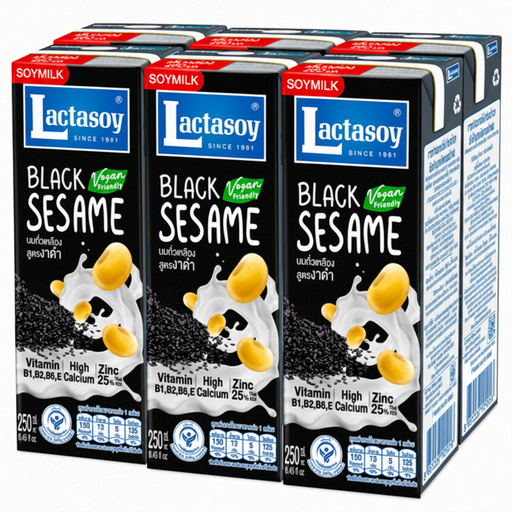 Image unavailable
The individual cartons make it easy to have one 250 ml serving at a time. To compare protein and sugars with another drink, convert the values per carton to the same volume. Check the allergen information if you need to avoid soy or sesame.
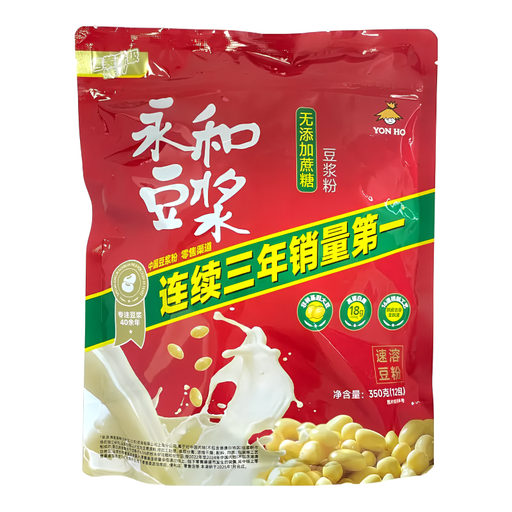 Image unavailable
This powder needs to be prepared before drinking, unlike the two ready-to-drink options. If you’re limiting sugar, don’t assume that ‘Unsweetened’ means 0 g: check the ‘of which sugars’ value and ingredients for the prepared serving.
Not if you need to avoid soy: a soy drink contains soy. For any other allergen-related requirements, check the ingredients and precautionary statements about traces on the specific product’s packaging. ‘Lactose-free’ doesn’t address every allergen concern.
No. E.Leclerc’s product page for Bio Village with no added sugars lists 0,7 g of sugars per 100 ml, while Auchan’s page for Bjorg Soja Sans Sucres lists 0 g per 100 ml. To compare them, check the ‘of which sugars’ line.
Compare values for clearly defined serving sizes, taking into account the preparation instructions for the powder. A value for a quantity of dry powder doesn’t, on its own, tell you how much is in the volume of reconstituted drink you’ll serve.
Not for a baby under one year old. Anses states that everyday drinks cannot replace breast milk or infant formula. Ask a healthcare professional for advice on feeding that’s suitable for your child’s age.