For breakfast and cooking
You use soy drink in cereal, coffee or recipes throughout the week. An unsweetened option may suit your needs, but check the ingredients of the particular product you choose.


For your weekly shop, start by choosing a soy drink recipe to suit how you’ll use it: choose an unsweetened option for cooking, a fortified one if you’re looking for added calcium and vitamin D, or compare protein content if that’s your main priority. Then choose the number and size of cartons to suit your household’s consumption. A multipack is only practical if the total volume and storage instructions after opening work for you.
You use soy drink in cereal, coffee or recipes throughout the week. An unsweetened option may suit your needs, but check the ingredients of the particular product you choose.
You look first at the protein content or whether calcium and vitamin D have been added. These values vary by recipe, even within the same brand.
You’re deciding between a 1 L carton and several cartons bought together. The total volume, the space you have available and the storage instructions after opening matter just as much as the pack size.
First decide which recipe suits your needs, then check whether the pack size allows you to use each carton in line with the storage instructions on its packaging.
| Criterion | What to check | Who is it for? |
|---|---|---|
| Recipe for cooking | The ingredients list and the sugars shown on the label; distinguish between “unsweetened” and “no added sugars”. | If I use the same drink in my cereal and recipes, I want to know what’s in it before buying several cartons. Around 33% of consumers would put this versatility first. |
| Protein and fortification | The protein, calcium, vitamin D and sugar content of the exact recipe, comparing like with like. | If I’m choosing based on a nutritional value shown on the packaging, I need to compare each product rather than rely on the word “soy” alone. This would be the top priority for around 25% of consumers. |
| Volume for the week | The number of cartons, their capacity and the storage instructions after opening. | If several people drink it regularly, I want to buy enough without opening more cartons than necessary. Around 25% of consumers would put planning the volume first. |
| Usage precautions | Whether soy is listed as an allergen and what the product is intended for, especially if you’re considering it for an infant. | If the drink is for someone for whom soy or the product’s intended use may be a concern, I check these points before choosing a recipe. Around 17% of consumers would put this precaution first. |
Recipes vary. Bjorg states that its Unsweetened version contains less than 0.5 g of sugars per 100 g, while the Alpro high-protein product listed by Auchan contains 2.5 g per 100 ml. As these figures use different units, they aren’t directly comparable.
Check the ingredients list and the “of which sugars” line for the product you’re planning to buy.
Sojasun states that its Calcium + Vitamin D recipe is fortified; this doesn’t automatically apply to its other drinks.
If fortification matters to you, check the ingredients and nutritional values for the specific recipe.
An offer containing several litres may consist of separate cartons. The total volume doesn’t tell you how long each opened carton can be kept.
Count the cartons, then check the storage instructions after opening before planning how you’ll use them during the week.
The Bio Village product information from E.Leclerc states that its drink isn’t suitable as a replacement for breast milk or infant formula for babies under 1 year old. Anses highlights the risks of replacing these with drinks that aren’t designed for infants.
For an infant, don’t choose an ordinary soy drink as a substitute for suitable infant food.
The range includes 1 L cartons of soy drink, with different recipes and varying ingredients.
The brand offers a Nature drink and a separate Calcium + Vitamin D recipe.
The brand offers an organic unsweetened soy drink in a 1 L carton.
This supermarket’s organic soy drink comes in a 1 L carton; E.Leclerc’s product information states that the soya is sourced from France.
These products let you choose between a 1 L carton and multipacks of smaller cartons for your weekly shop. Check how much your household will actually use, as well as the ingredients and storage instructions for each recipe.
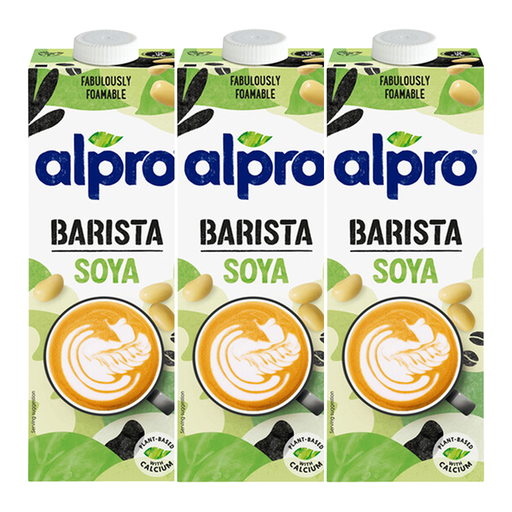 Image unavailable
This pack may suit you if you’d like to spread your stock across three separate cartons. Check the sugar content of this recipe and the storage instructions for each carton after opening.
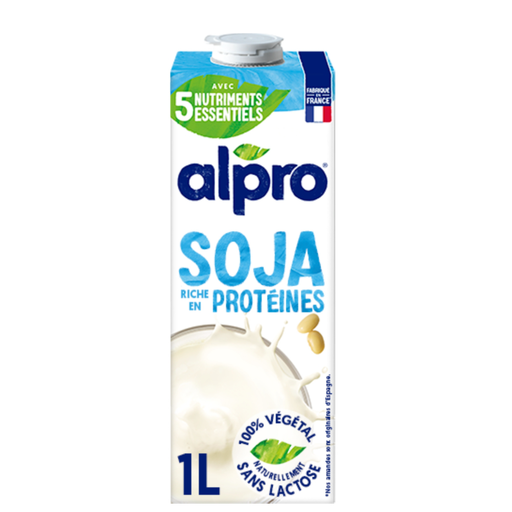 Image unavailable
Choosing a single carton lets you buy 1 L rather than a multipack. If you’re buying it for its protein, sugar content or fortification, compare the figures shown for this specific product.
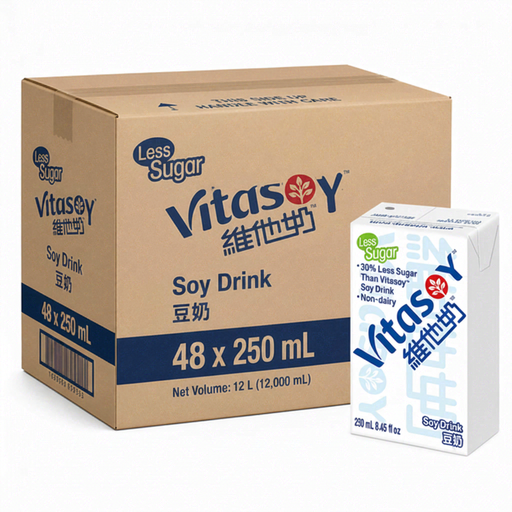 Image unavailable
Individual portions may suit a household that expects to drink it regularly. The pack contains 12 L, so check that this volume works for you, and check the total sugars, protein and storage instructions after opening on the packaging.
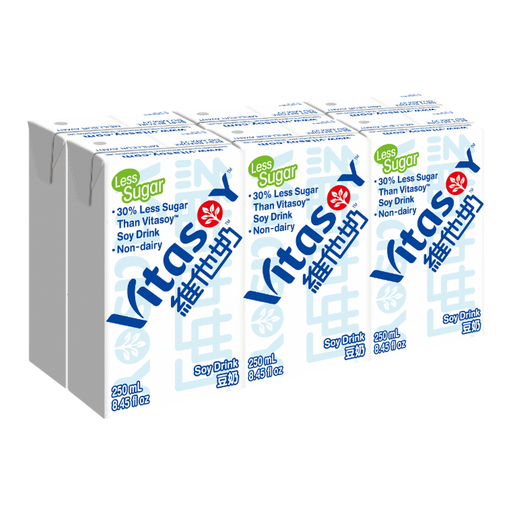 Image unavailable
This 1.5 L pack contains six portions and may suit you if you prefer to open one small carton at a time. Check the label for the total sugars and storage instructions after opening.
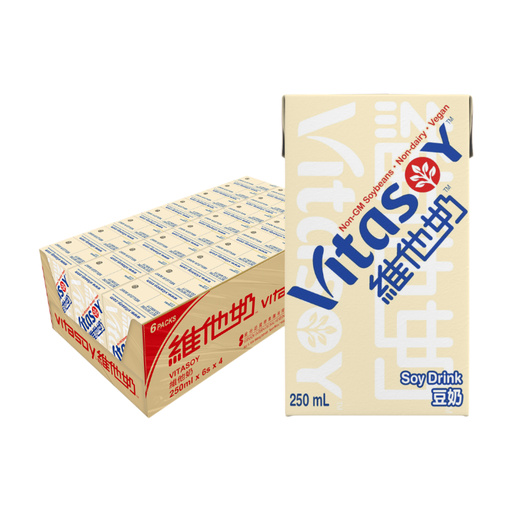 Image unavailable
The 24 individual portions add up to 6 L, so compare this volume with what you’ll use in a week. If sugar or calcium content matters to you, check the nutritional values on the packaging.
No. Ordinary soy drink isn’t intended for this purpose. E.Leclerc’s Bio Village product information says it isn’t suitable for babies under 1 year old, and Anses highlights the risks of replacing infant formula with drinks that aren’t specifically designed for infants.
Check the wording on the product you’ve chosen, then read its ingredients list and the “of which sugars” line in the nutritional information. The amount of sugar shown isn’t enough on its own to establish whether sugars have been added.
No. Fortification depends on the recipe. Sojasun states that its Calcium + Vitamin D drink contains 120 mg of calcium and 0.38 µg of vitamin D per 100 ml; check the values separately for an unsweetened version.
Follow the instructions on the carton you’ve bought, as they vary between products. For its high-protein soy drink listed by Auchan, Alpro advises keeping it between +1 °C and +7 °C after opening and using it within 5 days.
Anses’ recommendation concerns serving soy-based foods in catering settings, to limit exposure to isoflavones. It isn’t individual dosage advice to follow at home.