Guests avoiding dairy products
A soy drink may suit their needs if its ingredients are right for everyone. If you’re sharing a meal, also check for soy among the allergens, as well as the date and storage instructions on the carton.


For a summer picnic, choose a soy drink whose ingredients, date and storage instructions suit your guests and the conditions during transport. A short ingredients list, stated calcium content or individual portions may each meet different priorities. In every case, a drink with no dairy ingredients still contains the soy allergen.
A soy drink may suit their needs if its ingredients are right for everyone. If you’re sharing a meal, also check for soy among the allergens, as well as the date and storage instructions on the carton.
If you’ll serve the drink on its own or use it in a sweet or savoury recipe, compare the ingredients and stated sugar content. Two products labelled ‘plain’ may have different recipes.
If you’re comparing products for protein, calcium or vitamins, check the nutritional information for the product you’re considering rather than relying on the word ‘plant-based’ alone.
Start with the ingredients and allergens, then compare the recipe and nutritional values. Before packing the carton, check its date and storage instructions, particularly after opening.
| What to check | Look for | Who is it for? |
|---|---|---|
| Ingredients and allergens | Read the ingredients list and check that soy is highlighted among the allergens. If you avoid dairy ingredients, check the composition of each product. | If I’m sharing the drink with guests who avoid dairy, I also need to know whether anyone is allergic to soy. Around 36% of consumers would put this compatibility first. |
| Recipe and sugars | Compare the ingredients and sugars per 100 ml; don’t assume that ‘plain’ means no added sugars. | If I’m serving the drink on its own or using it in a recipe, I want to make an informed choice between a short ingredients list and a recipe with other ingredients. Around 29% of consumers would make this their priority. |
| Protein and added nutrients | Compare the protein per 100 ml and check the specific product for stated calcium or vitamins. | If these nutrients matter to me, the term ‘soy drink’ alone isn’t enough to help me choose between two cartons. Around 21% of consumers would prioritise the nutrients listed. |
| Transport and storage | Check the date and storage instructions before and after opening. If the product needs to be kept chilled, use a suitable insulated bag for transport. | For a summer meal outdoors, I need to be able to transport and serve the drink according to the instructions on its carton. Around 14% of consumers would put storage first. |
A soy drink may be lactose-free but still contain soy. It isn’t suitable for someone with a soy allergy.
Before sharing it at a picnic, read the ingredients and highlighted allergens on every carton.
Carrefour’s product range includes both a drink labelled ‘100% soy juice’ and recipes containing other ingredients. The product category name alone isn’t enough to help you choose according to your preferences.
Compare the ingredients lists and sugars per 100 ml, especially if you want to avoid a sweetened or flavoured recipe.
According to Anses, keeping relevant foods at a low temperature slows the growth of micro-organisms. The UHT process used for an unopened carton doesn’t mean you can ignore its storage instructions, particularly after opening.
Check the date and storage instructions. If the product needs to be refrigerated, transport it in an insulated bag or suitable cool box.
A product that needs to be kept chilled may require a cool box or ice packs for the journey.
Whether calcium or vitamins have been added depends on the specific recipe, not on these labels alone.
If these nutrients matter to your choice, look for them in the ingredients and nutritional information on the carton you buy.
These brands offer examples of recipes to compare. The features mentioned relate to the specific products listed, not their entire ranges.
The brand offers a classic soy drink as well as a product aimed at those looking for more protein.
These own-label brands offer soy drinks in 1 L cartons, including products with different recipes.
A 1 L unsweetened plain version is available to drink or use in cooking.
Carrefour’s listing for the organic, unsweetened plain version offers another recipe to compare.
These own-label brands include an organic plain soy drink.
This selection of soy drinks includes small cartons to share between guests and a 1 L carton for everyone to share. To choose one to take with you, consider its format alongside your recipe preferences and the storage instructions on the packaging.
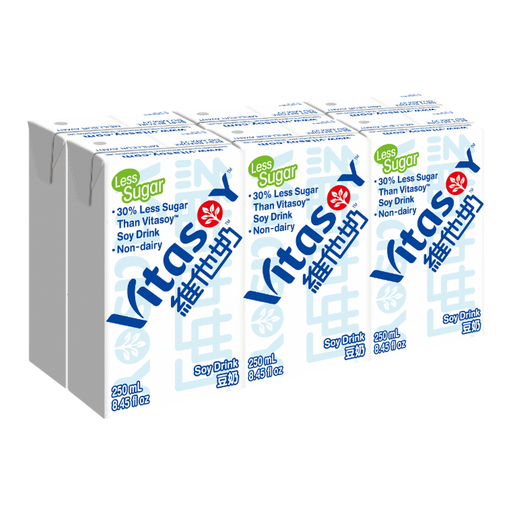 Image unavailable
The six small cartons make it easy to share the drink between guests. Despite the name of this variety, don’t assume it has no added sugars: check the ingredients if this matters to you.
Contains soy. Check the storage instructions on the carton, particularly after opening.
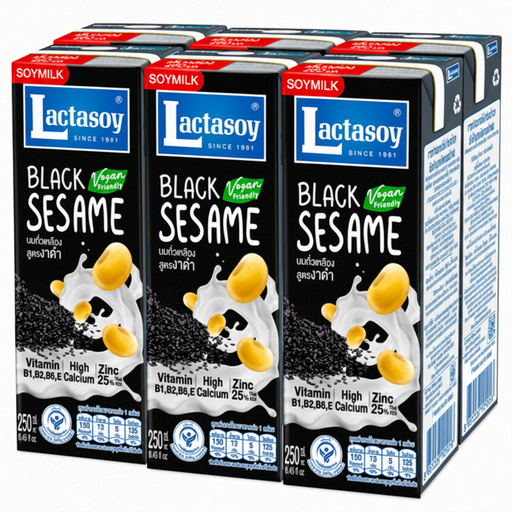 Image unavailable
This pack of six cartons may suit you if you’d like to serve individual portions with a black sesame flavour. If sugars or calcium factor into your decision, check the nutritional information for the variety you choose.
Before sharing, check the information about soy and sesame, along with the storage instructions after opening.
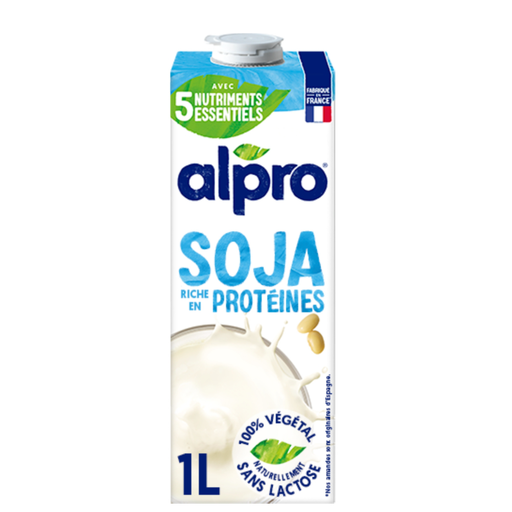 Image unavailable
The 1 L carton is better suited to sharing than handing out individual portions. If you’re looking for added calcium or vitamins, check the claims for this variety on its packaging.
Contains soy. Before setting off, read the storage instructions for unopened cartons. Once opened, follow the refrigeration guidance on the carton.
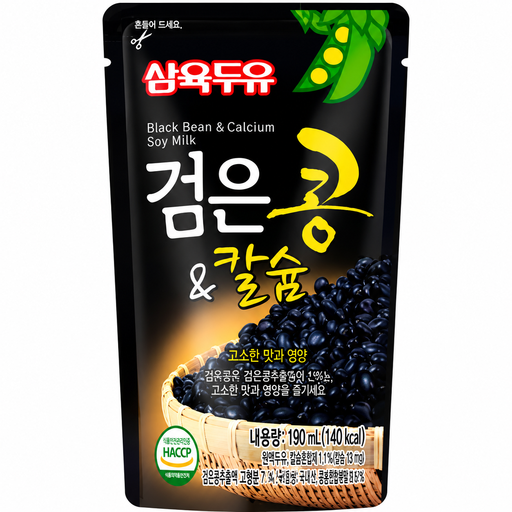 Image unavailable
The 190 ml size is worth considering if you’re serving a small portion. If the calcium mentioned in the name is why you’re choosing it, check the nutritional information for the unit you buy.
Contains soy. Also check for sugars among the ingredients, as well as the date and storage instructions on the packaging.
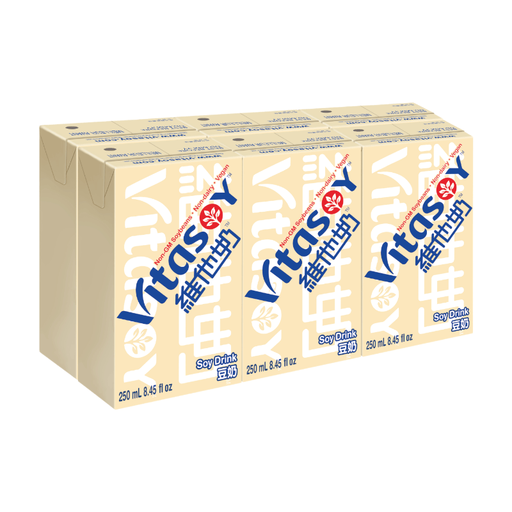 Image unavailable
The six 250 ml cartons are handy for serving smaller portions. If you’re looking for a recipe with no added sugars or stated calcium content, check these details on the packaging rather than relying on the product name.
Contains soy and sugar. Read the storage instructions before transporting and after opening.
No. Check the ingredients of the product you choose and each guest’s needs. Soy is an allergen in its own right, so a soy drink isn’t suitable for someone with a soy allergy, even if it contains no dairy ingredients.
Compare the nutritional values on the same basis, usually per 100 ml, then read the ingredients if you want to distinguish between recipes. The DGCCRF states that the nutritional declaration for food products is given per 100 g or 100 ml. Check the calcium and vitamins separately if they matter to your choice.
Yes, as long as you transport and serve it in line with the date and instructions on the carton. Even a product described as UHT must be stored according to the manufacturer’s guidance. If your chosen drink needs to be kept chilled, use suitable insulated transport and check the instructions for after opening.
No. The ‘organic’ label alone answers neither of these questions. If you’re choosing based on sugars or added nutrients, compare the ingredients list and nutritional information for the specific product.