Parents preparing a packed lunch from home
The journey and lunchtime make the storage instructions before opening especially important. An individual carton lets you pack a portion without having to manage a large carton that has been opened.


For a packed lunch brought from home, choose a soy drink whose storage instructions suit the journey and when it will be drunk, then compare the pack size and the ‘of which sugars’ line. Don’t assume ‘filtered’ is a confirmed product feature unless the packaging clearly says so. This guidance does not apply in the same way to meals served in communal catering: Anses recommends not serving soy-based foods in this setting to avoid excessive isoflavone intake.
The journey and lunchtime make the storage instructions before opening especially important. An individual carton lets you pack a portion without having to manage a large carton that has been opened.
The ‘of which sugars’ line lets you compare recipes without assuming that all plant-based drinks have the same nutritional profile. Compare figures given on the same basis, per 100 ml or per 100 g.
The ingredients list helps you identify soy and any other potential allergens. You should also distinguish between a packed lunch brought from home and a meal served in communal catering, which is covered by Anses’ recommendation on soy.
For a packed lunch brought from home, start with the storage instructions and the portion you’ll take with you. Then check the ingredients and allergens in the product you choose.
| Criteria | What to check | Who is this relevant to? |
|---|---|---|
| Storage and portion size | Read the instructions for before and after opening separately; choose a volume that suits the portion that will be drunk. | I prepare the packed lunch in advance and want to know how to keep the drink until lunchtime, without leaving a large container open. Around 44% of consumers would make storage and portion size their top priority. |
| Sugars and ingredients | Compare the ‘of which sugars’ line on the same basis, then check the ingredients and the declared protein content. | If there are several recipes to choose from, I want to choose based on their ingredients rather than just the claim on the front of the pack. Nearly 33% of consumers would put this criterion first. |
| Allergens and school setting | Check the allergens on the label and distinguish a packed lunch from home from a meal served by the school. | When choosing a drink for school, I need to identify its allergens and understand the setting in which the meal will be eaten. Around 23% of consumers would prioritise these checks; Anses recommends not serving soy-based foods in communal catering. |
The instructions change once the container has been opened. The Joybuy product page for Alpro’s 1 L drink says to refrigerate it and consume it within 5 days of opening; the page for Yeo’s 300 ml bottle says 2 days.
Read both sets of instructions. If the portion won’t be finished at lunchtime, store any leftovers as directed on the packaging.
A plant-based drink may contain soy or other allergens. For pre-packed foods sold in France, the DGCCRF states that allergenic ingredients must be highlighted in the ingredients list.
Check the list on the product you buy, particularly if you switch recipe or pack size.
A small bottle isn’t necessarily a low-sugar recipe: the Joybuy product page for Yeo’s 300 ml drink lists 6.6 g of sugars per 100 ml.
Compare the ‘of which sugars’ line across products using the same basis, rather than relying on the packaging alone.
Anses recommends not serving soy-based foods in communal catering for any age group, to avoid excessive isoflavone intake. This recommendation does not set out a general ban on an individual drink brought from home.
Before drawing a conclusion about the meal, check whether the product is part of a packed lunch from home or a meal served by the school.
The 1 L Alpro soy drink listed on Joybuy is one of the long-life plant-based alternatives. The details below apply to this product, not the entire range.
Bjorg offers, among other products, an organic soy drink labelled ‘no sugars’ and a ‘Protein’ recipe. Check their nutritional values separately.
The 300 ml Yeo’s soy drink listed on Joybuy is an example of an individual-size container.
These products come in 250 ml portions that you could consider for a packed lunch from home. Their names and pack sizes don’t confirm that they are ‘filtered’: check for this claim, along with the storage instructions, on the product you choose.
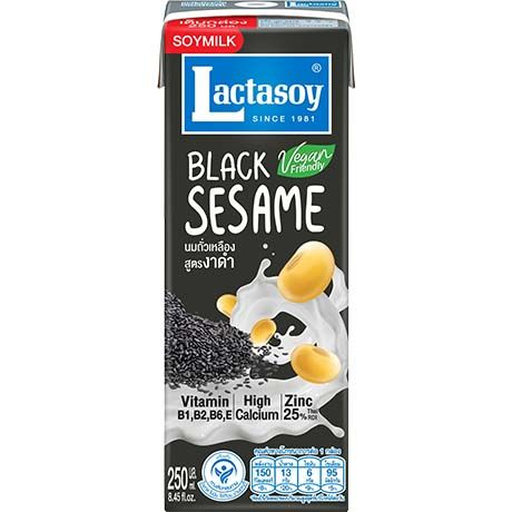 Image unavailable
This individual-size container is easy to pack in a lunchbox from home. Check the storage instructions and allergen list, especially for soy and sesame.
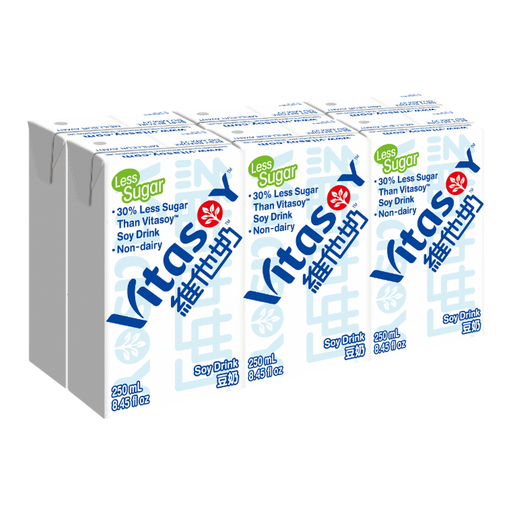 Image unavailable
Individual cartons make it easy to pack a portion for each lunchbox. The ‘Less Sugar’ claim doesn’t replace checking the ‘of which sugars’ line or the storage instructions.
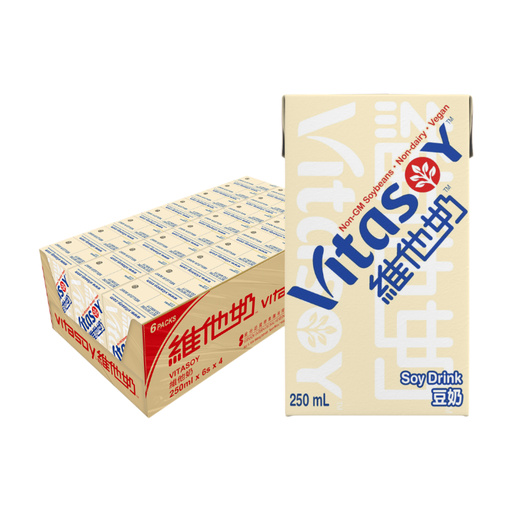 Image unavailable
This multipack of individual portions gives you enough to prepare several lunchboxes. For each carton, check the packaging for storage instructions before opening and nutritional information.
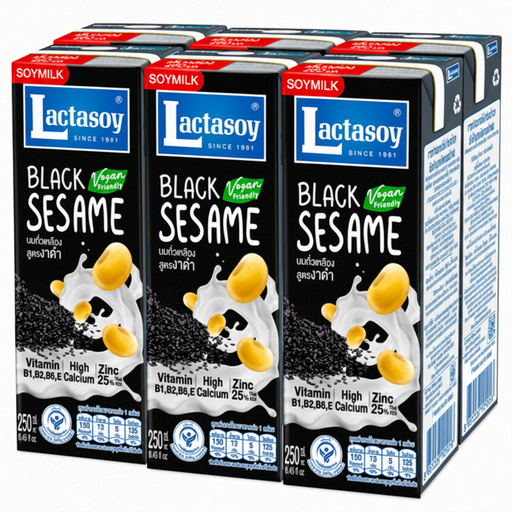 Image unavailable
This multipack contains separate portions for several lunchboxes. As it contains soy and sesame, it’s particularly important to check the allergens. Also check the instructions if a portion is opened.
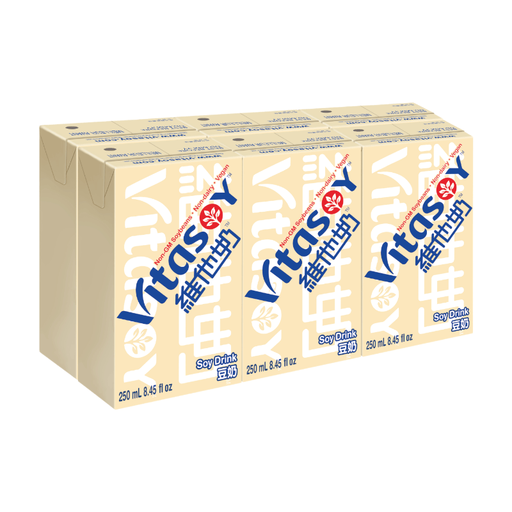 Image unavailable
Individual cartons make a handy portion to take with you. Check the label for sugars, allergens and storage instructions before adding this recipe to a packed lunch.
It depends on the product’s instructions and whether the packaging is still sealed. The Joybuy product page for Yeo’s 300 ml bottle says to store it in a cool, dry place before opening, then refrigerate it and consume it within 2 days of opening. Check the instructions for the drink you buy to make sure they suit the journey and lunchtime.
Check the ingredients list on the product you buy. For pre-packed foods sold in France, the DGCCRF states that allergenic ingredients must be highlighted in the list. A ‘plant-based’ or ‘lactose-free’ claim on the front of the pack is no substitute for this check.
No. Anses’ recommendation covers soy-based foods served in communal catering for all age groups, to avoid excessive isoflavone intake. It does not set out a general ban on an individual drink brought from home, so distinguish between these two meal settings.
No. Sugar content doesn’t determine either the storage requirements or the size of the portion to take with you. According to its product page, Bjorg’s ‘no sugars’ recipe contains less than 0.5 g of sugars per 100 g. Also read the storage instructions and ingredients list on the product you buy.