People planning to stock up
You’re looking for cartons that can be stored unopened, and want to be able to follow the storage instructions once each one has been opened.


When stocking up on soy drinks, start by choosing one that suits how you’ll use it: a plain recipe with a short ingredients list for cooking, or a formula with declared protein, calcium and vitamins if you’re specifically looking for these nutrients. Then compare the sugars and nutritional values of the variant you’ve chosen, and check how to store it before and after opening: an opened UHT carton should not be kept in the cupboard.
You’re looking for cartons that can be stored unopened, and want to be able to follow the storage instructions once each one has been opened.
For sweet or savoury dishes, you compare plain versions, their ingredients and sugar content rather than relying on the product name alone.
You want to compare the protein, calcium and vitamins listed for each product, without assuming that all soy drinks have the same nutritional profile.
For cupboard shopping, first check how to store the carton you’ve chosen. Then compare the recipes based on how you’ll use them and the nutritional information that matters to you.
| Criterion | What to check | Who it’s for |
|---|---|---|
| Storage | UHT label and best-before date before opening; storage temperature and time limit after opening. | I want to keep cartons in reserve without leaving an opened one beyond its recommended storage period. Around 31% of consumers prioritise managing their stocks this way. |
| Plain recipe | Ingredients list and proportion of soya; sugars in the nutritional information. | For cooking, I’m looking for a plain base whose ingredients I can check quickly. Around 31% of consumers share this priority. |
| Declared nutrients | Protein per 100 ml and per serving; whether calcium and vitamins are listed for the specific variant. | If I choose an enriched formula, I want to know which nutrients are actually listed on its label, even if the recipe contains more ingredients. Around 23% of consumers put these nutrients first. |
| Organic and sugars | Organic certification for the product, ingredients and information about sugars. | I start by looking for an organic product or one with no added sugars, without assuming anything about its other nutritional qualities. This is the top priority for around 15% of consumers. |
How long a carton can be stored unopened does not determine how long it can be used once opened. The instructions listed by Auchan Bio, Bjorg and Alpro require refrigeration after opening, with time limits that vary by product.
Choose a pack size that suits how quickly you use it, and follow the temperature and time limit printed on the packaging.
If you can’t finish an opened carton within the stated time, it may go to waste.
Auchan’s product listing for Alpro Soya Protein states that it contains 5 g of protein per 100 ml, as well as calcium and vitamins B2, B12 and D2. These figures apply to this product, not to every plain variant.
Compare nutritional information on the same basis, per 100 ml, and check the exact name of the variant.
These claims alone don’t tell you the sugar content, declared nutrients or storage instructions after opening.
Once you’ve identified the criteria that matter to you, also read the ingredients, nutritional values and storage instructions.
As well as soya, some of the products selected contain sesame or cereals. The name of a drink is no substitute for checking its allergen information.
If you have a relevant allergy, check the ingredients and allergens for the exact variant before choosing it.
The differences below apply to the products mentioned, not to every product in these brands’ ranges.
Carrefour’s listing for its 1 L organic plain soy drink states that it contains water and 8% organic, non-GM soya beans.
Carrefour’s listing describes a 1 L UHT soy drink containing 98% soy juice, as well as fruit juice concentrates.
Auchan’s listing features a 1 L UHT organic plain soy drink made with organic soy juice of French origin.
Auchan’s listing for Sojasun Nature UHT states ‘100% SOYA juice’ in the ingredients.
For the 1 L Soya Protein product, Auchan’s listing states that it contains 5 g of protein per 100 ml, as well as calcium and vitamins B2, B12 and D2.
This selection mainly includes soy drinks in small cartons, as well as a 1 L Alpro drink. If you’re stocking up on products with a long shelf life, check the UHT label, best-before date and instructions for after opening on each pack. Don’t confuse the Alpro Soya featured here with the Soya Protein variant described above.
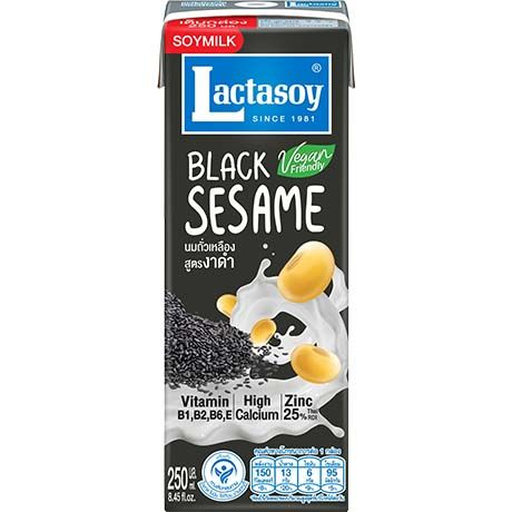 Image unavailable
A single serving with black sesame, rather than a plain base for cooking. Check the UHT label and shelf life before opening on the carton.
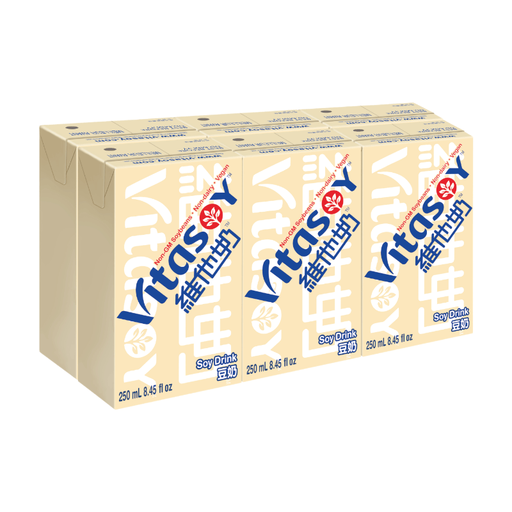 Image unavailable
For spreading your intake across six small cartons. The recipe contains sugar, so check the ingredients, as well as the UHT label and shelf life before opening.
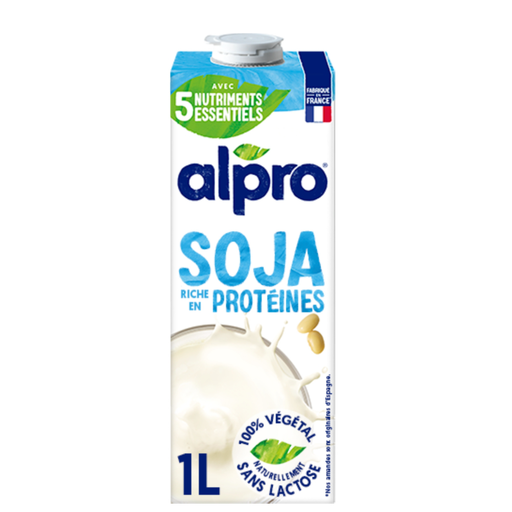 Image unavailable
For use in sweet or savoury recipes, if its ingredients suit you. This variant contains sugar and other added ingredients. Also check the packaging for storage instructions before opening.
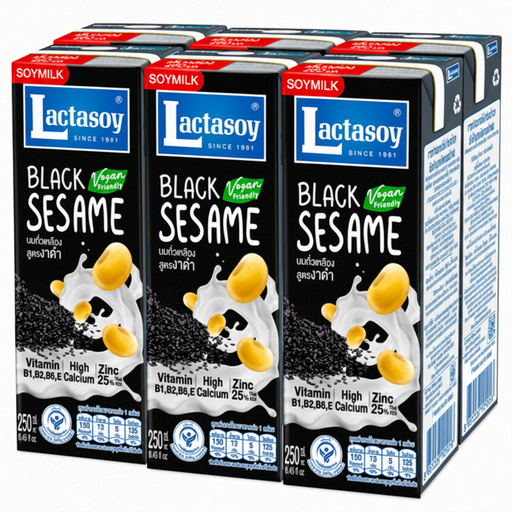 Image unavailable
For keeping several small flavoured cartons to hand, rather than a plain recipe. Check the allergens, storage instructions before opening and how long to use the drink after opening.
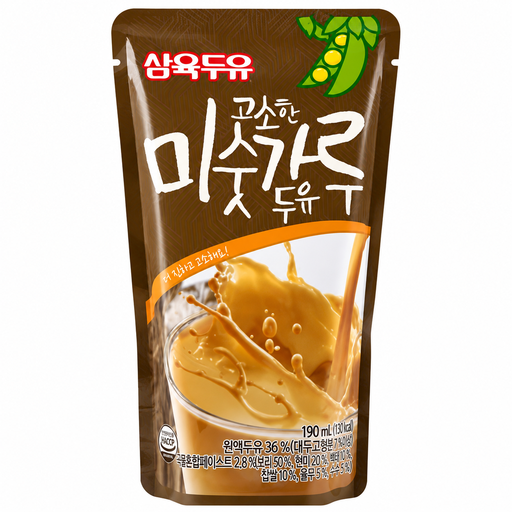 Image unavailable
A small serving made with soya and grains, rather than a plain drink. Check the allergens, including wheat and barley, as well as the storage instructions on the packaging.
Not the products mentioned here: they need to be refrigerated after opening. Auchan says to store Auchan Bio at a maximum of +6 °C and consume it within 5 days; Bjorg’s product listing states 4 days, while Alpro’s FAQ recommends between +1 and +7 °C and within 5 days for its products. Follow the instructions on your carton.
Start with a plain version and read the ingredients, rather than judging its flavour from the UHT or organic label alone. Auchan’s listing for Sojasun Nature states ‘100% SOYA juice’; Carrefour Bio’s listing mentions water and organic soya beans at 8%.
No: soya is listed as an ingredient in the soy drinks mentioned here. Check the label for the exact variant too, to identify any other allergens it may contain.
No: the everyday name doesn’t tell you what a product contains. Compare its product description, ingredients and nutritional information, including the values per 100 ml.