Anyone comparing protein per glass
If you have a liquid snack after a strength or mixed-training session, work out how much protein is in the portion you’ll actually drink. A drink is only one part of your snack or meal.


After exercise, choose a soy drink by comparing the protein in your portion with the amount of carbohydrate in your snack as a whole, especially if you have another session coming up soon. A high-protein, plain or fortified recipe will meet different needs. Check the sugar content, whether it contains soy and the storage instructions for the exact product you’re buying. Don’t assume anything about its properties from the word “filtered”.
If you have a liquid snack after a strength or mixed-training session, work out how much protein is in the portion you’ll actually drink. A drink is only one part of your snack or meal.
If there’s little time between efforts, look at the protein and carbohydrate in your whole snack, rather than just the protein content of your drink. A review published in Current Sports Medicine Reports discusses how they work together in this situation.
If you want to keep a drink ready for before your workout, check the storage instructions for the product you’re buying, both before and after opening. UHT labelling doesn’t replace these instructions.
Start by checking the quantities for your portion and snack. If you plan to carry or store the carton, check its storage requirements separately.
| Criteria | What to check | Who is it for? |
|---|---|---|
| Protein per portion | Compare the protein per 100 ml, then calculate the amount in the volume you plan to drink. | After a session, I want to know how much protein is in my glass without assuming the drink makes up my whole snack. Around 42% of consumers prioritise protein content. |
| Storage and transport | Read the instructions for before and after opening, along with the date on the packaging. | If I put a carton in my bag, I need to know whether it can stay out of the fridge before opening. For around 33% of consumers, this is the main consideration. |
| Carbohydrate, sugars and fortification | Compare carbohydrate, including sugars, protein and, if you’re looking for it, the calcium listed per 100 ml. | If another session is coming up soon, I consider the contents of my whole snack; I may also look for a fortified recipe. Around 25% of consumers prioritise these ingredients and nutritional choices. |
Auchan lists 10 g of protein per 200 ml for Alpro Protein Plain. This figure applies to that portion, not to all the food you eat after your session. For endurance exercise, when there’s little time before your next effort, the review published in Current Sports Medicine Reports also looks at the role of carbohydrates.
Calculate the protein in your chosen volume, then consider the rest of your snack in light of your session and the time until your next one.
Storage instructions apply to a specific product. A Pomona product listing for a Sojasun UHT drink mentions unrefrigerated storage, but also gives an instruction to store it in a cool place before opening.
Follow the instructions on the packaging you buy, both before and after opening, rather than relying on a search term or general product listing.
A carton stored incorrectly may need to be thrown away.
Sojasun lists 6.3 g of carbohydrate, including 4.5 g of sugars, per 100 ml for its Boisson Soja Boost+. The name alone doesn’t tell you how it fits into your snack.
Compare the sugars and protein per 100 ml, then decide whether this nutritional profile works with the other food you plan to eat.
Sojasun lists 4.7 g of protein per 100 ml for its Boisson Soja Nature, compared with 3.3 g for its Calcium + Vitamine D product. The Alpro figures quoted here are for its plain protein drink.
Check the full product name and nutritional information on the carton you’re buying, even if you already know the brand.
The 1 L Protein Plain soy drink is a useful point of comparison if protein per portion is a key factor in your choice.
The plain, fortified and Boost+ options let you compare different nutritional profiles within the range.
The organic plain soy drink may appeal if you prefer a recipe with a short ingredients list.
Here, Auchan is the retailer whose listing describes Alpro Protein Plain, rather than a range of Auchan-branded soy drinks.
These soy drinks come in individual or sharing sizes, making it easy to put together a post-workout snack. Compare their nutritional labels and storage instructions. Their inclusion here doesn’t mean they all belong to the same “filtered” or long-life category.
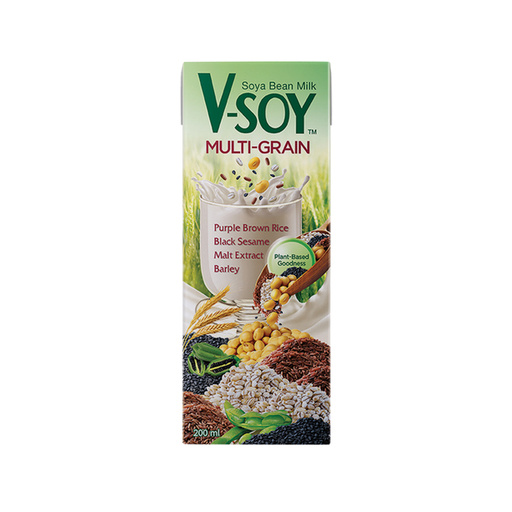 Image unavailable
The 200 ml size makes it easy to choose an individual portion. If you’re looking for a drink to have as a post-workout snack, compare the protein and sugars on the packaging, as well as the storage instructions.
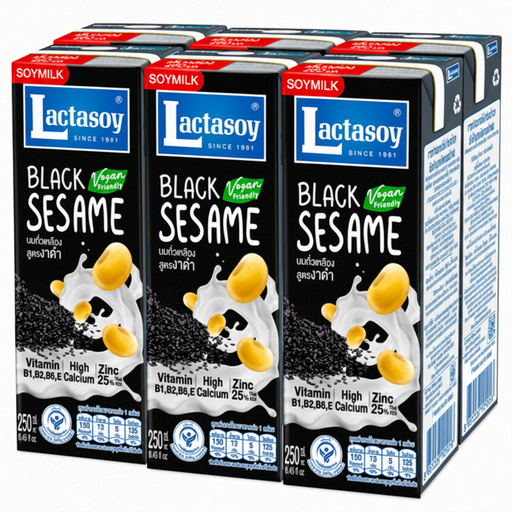 Image unavailable
This pack of 250 ml portions is handy if you’d rather take a carton with you than measure out a glass. Check the ingredients, including soy and sesame, as well as the nutritional values per portion and storage instructions.
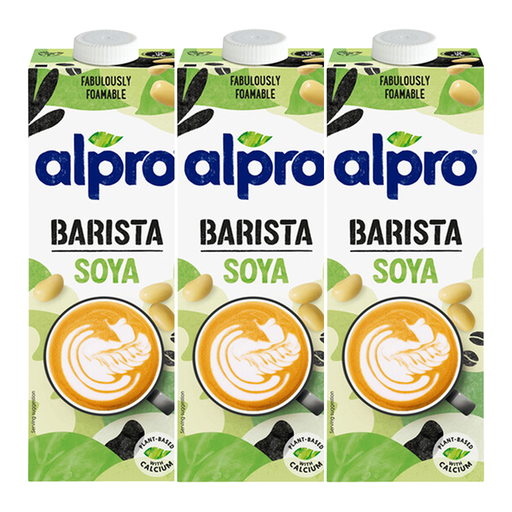 Image unavailable
This pack of 1 L bottles is better suited to those who prefer to pour their own portions. Check the protein and sugars per 100 ml, then read the instructions for storing each bottle once opened.
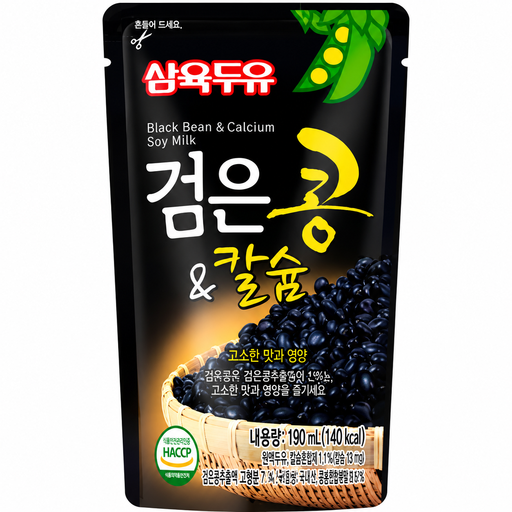 Image unavailable
The 190 ml portion is worth considering if you’re after a smaller individual drink. Compare its protein, sugars and listed calcium with other products, then check its storage instructions.
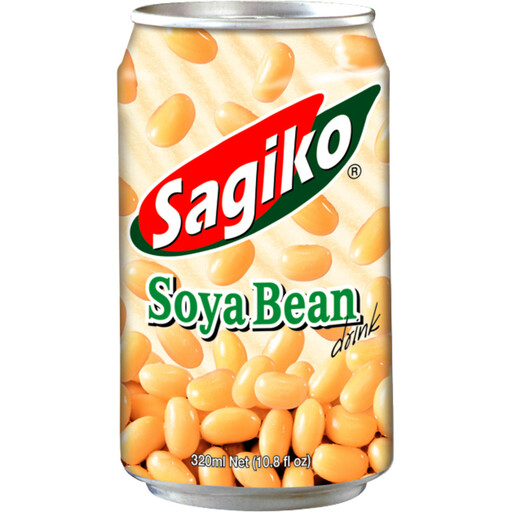 Image unavailable
This 320 ml bottle offers another individual size for a snack. Check the values per 100 ml before comparing portions, and find out how to store the bottle before and after opening.
Not necessarily. Consider it as part of your whole snack or meal. For endurance exercise when there are fewer than eight hours between efforts, a review published in Current Sports Medicine Reports looks at combining protein and carbohydrate after exercise. Choose other foods with what’s already in your drink in mind.
Compare their nutritional information per 100 ml, then work out the amounts in the portion you’ll drink. The DGCCRF says that presenting information per 100 g or 100 ml makes comparisons easier. Pay particular attention to protein, carbohydrate including sugars, and fat.
Don’t assume so from the UHT label alone. Read the instructions on the carton you buy. A Pomona listing for a Sojasun product mentions both the possibility of storing it unrefrigerated and an instruction to keep it chilled before opening. Follow the packaging instructions for your specific product.
Follow the storage time and temperature given for your product. For the Alpro Protein Plain drink described by Auchan, the instructions are to refrigerate the opened carton at between +1 °C and +7 °C and use it within five days.
Yes. Read the ingredients list and allergen information for the product you choose. The soy drinks mentioned here contain soy; nutritional information is no substitute for checking the ingredients.