What should you check before buying?
For this lunch, start by thinking about when the croissants will be eaten and where they’ll be prepared. Then check the recipe if sourdough is a deciding factor.
| What to consider |
What to check |
Who it matters to |
| Transport and storage |
How the portions are packaged and the storage time stated for the product. |
For a packed lunch, I want to be able to hand out the croissants at the planned time without preparing them on site. Around 42% of consumers prioritise this need for easy transport and storage. |
| Sourdough recipe |
The ingredients list for the exact product and how the sourdough is described, including whether it is deactivated. |
If I’m mainly looking for a recipe described as sourdough, the format matters less to me than the precise wording of the ingredients. This would be the top priority for around 33% of consumers. |
| Baking at home |
Whether the croissants are frozen or already baked, what equipment you’ll need and the baking instructions. |
At home, I can plan to bake the croissants before the meal rather than buy ready-to-eat ones. Around 25% of consumers prioritise this option. |
A Joybuy option for baking at home
This selection features frozen filled croissants to prepare at home for a holiday meal. If you’re taking them out for lunch, check the instructions for storing them after baking separately.
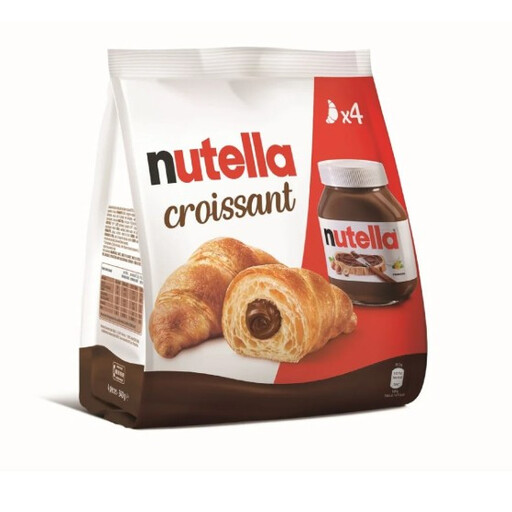 Image unavailable
NUTELLA hazelnut and cocoa-filled croissants, x4, 340 g
These frozen croissants need baking, so they’re suited to preparing at home during the holidays rather than taking out for a ready-to-eat lunch.
The product information mentions both sourdough and yeast. Their presence does not prove that the croissants have been artisanally fermented with natural sourdough. Before buying, check the packaging for storage and baking instructions, as well as information about wheat or gluten, hazelnuts, milk, soya and eggs. If you’re planning to eat them later, also check the instructions for storing them after baking.
View on Joybuy
Frequently asked questions
Is a croissant containing deactivated sourdough necessarily naturally sourdough-fermented?
No. The listing for the Auchan croissant in question says it contains deactivated spelt sourdough and yeast, but this wording does not prove that it has been naturally sourdough-fermented. If this method of production matters to you, check the ingredients list and the manufacturer’s information for the exact product.
Which allergens should you check before sharing croissants?
Check the packaging for each product. The examples mentioned here flag wheat or gluten, milk and eggs, among other allergens, but their warnings differ. Maison Kayser also mentions that its bakery handles peanuts, tree nuts, sesame, soya and sulphites, among other allergens.
Can you add a fresh filling to croissants for a day out?
Yes, as long as you follow the filling’s storage instructions separately from those for the croissants. If it needs to stay chilled, make sure you have a suitable way to keep it cold while you’re travelling.
Does the legal definition of sourdough for certain breads automatically apply to croissants?
No, it cannot automatically be applied to croissants. The French decree published on Légifrance covers certain categories of bread, including ‘French tradition bread’. When choosing a croissant, rely on the ingredients and production information for the specific product you’re considering.


