Who is this option for?

Students looking for sourdough

If sourdough is the reason for your purchase, read the ingredients rather than assuming that its presence means the croissant is artisan-made. Auchan’s listing for its 10+2 pure-butter croissants mentions dried spelt wheat sourdough. This information applies to that specific recipe.

Students who can’t bake on site

If you want something to eat between lectures, check that the croissant you choose can be stored and eaten in a way that fits your day. The frozen, ready-to-bake croissants listed by Auchan and Carrefour need to be prepared at home. By contrast, Auchan’s listing for another format says it can be stored at room temperature.

People checking ingredients

If a particular ingredient or allergen affects your choice, compare the exact pack you’re buying. The recipes listed by Auchan, Carrefour and E.Leclerc differ. France’s Directorate-General for Competition Policy, Consumer Affairs and Fraud Control (DGCCRF) says that allergenic ingredients must be highlighted on prepacked foods.

What should you check?

For lunch at uni, start with how important sourdough is to you, then check whether the storage and preparation requirements fit when you plan to eat.

What matters to you What to check Who is this for?
Sourdough Look for ‘sourdough’ in the ingredients and read the product name. ‘Pure butter’ answers a different question. If sourdough is the main reason I’m buying, I want to be able to spot it in the ingredients without assuming the croissant is artisan-made. This is a priority for around 42% of consumers.
Preparation and transport Check the storage instructions and find out whether you need to bake it before you leave. Between lectures, I mainly want a croissant I can eat without needing an oven on site. Around 33% of consumers prioritise this convenience.
Ingredients and allergens Read the ingredients and allergen information on the exact pack, along with the nutritional information if you want to compare recipes. If certain ingredients matter to my choice, I want to check the precise recipe before buying. This comes first for around 25% of consumers.

Common misconceptions to avoid

  • Assuming ‘pure butter’ means sourdough

    ‘Pure butter’ tells you about the fat used, not whether the croissant contains sourdough or is artisan-made. For example, Auchan calls its 10+2 product a ‘pure-butter croissant’, while its ingredients list includes dried spelt wheat sourdough.

    If you’re looking for sourdough, check the ingredients and product name for the specific product you’re buying rather than assuming one tells you the other.

  • Choosing frozen, ready-to-bake croissants to eat straight away

    A ready-to-bake product isn’t a croissant you can eat as soon as you buy it. Auchan’s listing for its 6-piece frozen croissants says they must be stored at −18 °C and baked before eating.

    Choose this format for days when you can store and prepare it at home. If you want to eat a croissant at uni without an oven, check the storage and eating instructions for a different format.

  • Judging the recipe by the picture or retailer

    Ingredients vary between products. For example, E.Leclerc’s listing for EPI D’OR x8 croissants includes palm fat, concentrated butter, emulsifiers and a preservative. Those ingredients don’t describe every croissant sold by the retailer.

    Compare the ingredients, allergens and storage instructions for the exact product instead of relying on how it’s presented.

Brands and ranges to compare

Auchan / VIENNOISERIES

Two Auchan products illustrate different preparation options: 10+2 croissants to store at room temperature, and frozen pure-butter croissants that are ready to bake.

  • The 10+2 product listing includes dried spelt wheat sourdough in the ingredients, while describing the product as a ‘pure-butter croissant’.
  • The 6-piece frozen product needs to be stored at −18 °C and baked. Sourdough isn’t mentioned in the ingredients shown on its listing.

Carrefour Classic’

The product listed is a frozen pure-butter croissant, worth considering if you’re planning to bake it at home.

  • Carrefour’s listing says the pack contains 6 croissants weighing 360 g, with 24% butter in the recipe.
  • Sourdough isn’t listed among the ingredients shown. The listing also warns that it may contain traces of soya and nuts. Check the pack if these allergens are a concern for you.

EPI D’OR

E.Leclerc’s listing for its x8 croissants gives you another packaged croissant recipe to consider.

  • The product listing details ingredients including palm fat, concentrated butter, emulsifiers and the preservative E282.
  • Sourdough isn’t mentioned in the ingredients shown. Don’t assume the recipe is pure butter or sourdough based on the pack size alone.

MANNAPAIN / ALDI

ALDI’s listing features 6 frozen MANNAPAIN pure-butter croissants that are ready to bake.

  • The listed pack contains 6 croissants weighing 360 g, making it easy to identify the product you want to compare.
  • If sourdough or an allergen affects your purchase, check the full ingredients list on the packaging.

Bridor

Bridor offers a professional croissant range, with a choice of recipes and formats.

  • Its catalogue includes ‘Fine Butter’ products and croissants made with Charentes-Poitou AOP butter.
  • For lunch at uni, choose a product only if you can check its ingredients and buying conditions with the retailer in question. The catalogue alone doesn’t describe a sourdough croissant that’s ready to take away.

An option to prepare at home from Joybuy

This selection features a filled croissant to prepare at home before heading to uni. If you’re specifically looking for sourdough, check for it on the packaging and read the preparation instructions before planning how to take it with you.
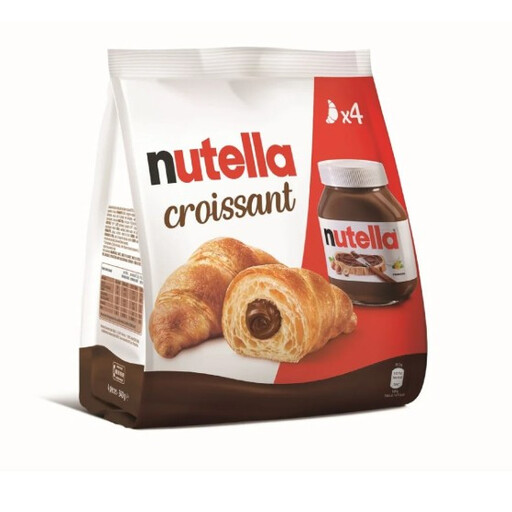
NUTELLA-filled croissants with hazelnut and cocoa spread, 4 pieces, 340 g

NUTELLA-filled croissants, 4 pieces, 340 g

Worth considering if you plan to prepare your croissants at home before a break at uni and fancy a hazelnut and cocoa filling. The pack contains 4 pieces weighing 340 g. If sourdough matters to you, check the ingredients on the pack. Also check the storage, baking and transport instructions before planning your day.

View on Joybuy

Frequently asked questions

Is a croissant artisan-made just because its ingredients include sourdough?

No. Auchan’s listing for its 10+2 pure-butter croissants includes dried spelt wheat sourdough, but that alone doesn’t mean the croissants are artisan-made. To choose the product you want, compare its name and ingredients list.

Can I buy a frozen croissant in the morning and eat it at uni?

Frozen croissants that are ready to bake must first be stored and prepared according to the instructions. For its 6-piece product, Auchan says to store it at −18 °C, not to refreeze it once thawed, and to bake it at 180 °C for 15 to 20 minutes. If you can’t prepare it before leaving, look for a product that’s intended to be eaten without baking.

Which allergens should I check on the pack?

Read the ingredients list and allergen information for the exact product. The Auchan and Carrefour croissant listings mentioned here include wheat, milk or butter, and eggs. Carrefour also warns that its Classic’ product may contain traces of soya and nuts. The DGCCRF says allergenic ingredients must be highlighted on prepacked foods sold in France.

How do I read the label on a prepacked croissant in France?

First, check the name and ingredients for the specific product, then look for highlighted allergens and storage instructions. The DGCCRF says that label information must be visible, legible and written at least in French.