If sourdough is important to you, choose a croissant whose product details clearly identify it, then check that the texture and portion suit the person who will be eating it. The presence of sourdough does not prove that it has been fermented exclusively with sourdough. If the person has difficulty eating or is losing weight, choosing a pastry is no substitute for medical advice.
Who is this choice for?
People looking for a clearly identified sourdough croissant
If you’re choosing an afternoon snack based on the recipe, check that sourdough is clearly mentioned in the description or ingredients. Maison Kayser names it in its croissant description, while Brioche Pasquier states its proportion in the ingredients list.
People preparing an afternoon snack for an older person with a small appetite
The texture they can manage, the portion size and how the snack fits into their meals matter more than the word ‘sourdough’ alone. Manger Bouger points out that the nutritional needs of people over 75 do not necessarily decrease with age.
People shopping locally
In store, compare the size and ingredients of the product available. Don’t assume it contains sourdough just because it’s in a particular aisle. The ranges shown by Carrefour and Lidl include croissants, but you’ll need to check each product to find one made with sourdough.
What should you check?
When choosing an afternoon snack for an older person, start with the recipe you’re looking for, then consider the person who will be eating the croissant and the information available when you shop.
| What to consider |
What to check |
Who is this for? |
| Sourdough content |
Look for sourdough in the ingredients and check whether yeast is also listed. |
If I’m choosing this croissant because it’s made with sourdough, I want to see that ingredient in the product details rather than rely on its appearance; around 44% of consumers would put this check at the top of their list. |
| Texture and portion size |
Ask the person what texture they can manage and what portion size suits them. |
For an older person who eats very little or finds the flaky layers difficult to chew, I’d choose a snack they can actually eat; around 33% of consumers would make this their main priority. |
| Shopping and labelling |
Check the size and where it’s sold; read the ingredients and allergen information for the product you choose. |
When I shop locally, I need a suitable size and information I can use before serving the product; around 23% of consumers would prioritise these checks. |
Common misconceptions to avoid
-
Assuming ‘contains sourdough’ means ‘fermented using sourdough only’
The ingredients published by Brioche Pasquier and Auchan list both sourdough and yeast. So the name of the ingredient alone isn’t enough to tell you how the croissant was fermented.
Read the full ingredients list. If the fermentation method is important to you, ask the manufacturer or seller for more details.
-
Choosing a texture without considering the person who will eat it
Flaky layers or a crisp crust can be difficult for some people to eat. A manufacturer’s description of the texture doesn’t guarantee that it will suit a particular older person.
Consider their preferences and any difficulties they may have before choosing a portion. If they continue to find eating difficult, seek advice from a healthcare professional.
-
Relying on a croissant alone to address a loss of appetite
A croissant can be part of an enjoyable afternoon snack, but it isn’t a substitute for appropriate care if someone isn’t eating enough. Manger Bouger recommends speaking to a doctor if a person over 75 loses weight.
If you’re concerned about their appetite or weight, discuss it with a healthcare professional rather than relying on a single pastry.
-
Assuming a product will be available in every shop
An online category page or advertised offer won’t necessarily reflect the range at the shop where you plan to buy it.
Check the product, its size and your selected shop before setting off. Then check the ingredients of the product actually on offer.
Brands to look at when comparing recipes
Maison Kayser
Maison Kayser says its croissant’s flaky layers are thanks to its ‘homemade natural sourdough starter’.
- The description explicitly names the sourdough starter used for this croissant.
- This information alone doesn’t tell you whether the texture will suit the person or how much sourdough the recipe contains.
Brioche Pasquier
The ingredients published for its croissants state ‘Sourdough 7%’.
- The stated proportion lets you check that sourdough is included in this recipe.
- Yeast is also listed, so this isn’t described as being fermented exclusively with sourdough.
Europastry
Europastry offers a 90 g Croissant Levain Sophie, with dough that the manufacturer describes as rich in sourdough.
- The product name and weight make it easier to identify.
- The manufacturer’s description doesn’t tell you whether the texture will suit the person concerned. Check where it’s sold too before choosing it for your shopping.
Auchan
The ingredients list for a butter croissant sold by Auchan includes yeast and dried spelt wheat sourdough.
- The ingredients help distinguish this recipe from a product that doesn’t mention sourdough.
- The presence of both ingredients doesn’t prove that it was fermented mainly with sourdough.
Carrefour
Carrefour’s online bakery range includes croissants and other pastries to compare, depending on the product available.
- The range can help you check the sizes available before you shop.
- To choose a sourdough croissant, check the ingredients for the specific product rather than assuming it contains sourdough because it appears in the range.
A croissant option on Joybuy
This option is a filled croissant to serve as an afternoon snack. If you’re specifically looking for sourdough, check the ingredients. For an older person, also consider the texture and portion size that suit them.
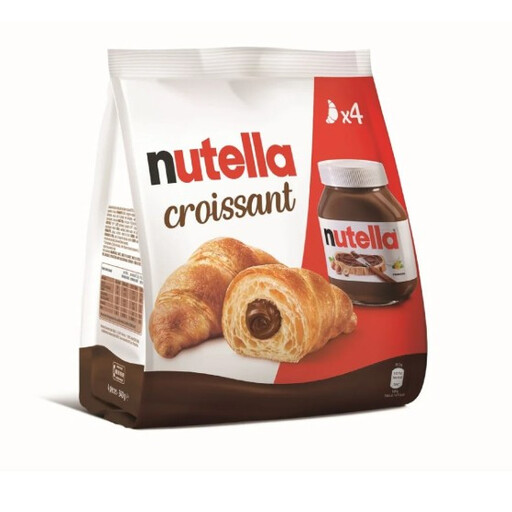 Image unavailable
NUTELLA hazelnut and cocoa-filled croissants, x4, 340 g
This pack of four filled croissants could make a snack to share. Before choosing it for a particular person, check the ingredients, allergen information, preparation instructions and portion size. The stated weight is for the whole pack.
View on Joybuy
Frequently asked questions
Does ‘made with sourdough’ mean a croissant is made without yeast?
No. Brioche Pasquier lists both sourdough and yeast in the ingredients for its croissants; an Auchan product listing names both ingredients too. To find out what’s in the product you’ve chosen, read its ingredients rather than guessing the fermentation method from the word ‘sourdough’ alone.
Is a sourdough croissant necessarily suitable for an older person who eats very little?
No. The presence of sourdough alone tells you nothing about the portion size or texture that will suit them. If their appetite is declining or you’re concerned about their weight, seek medical advice. Manger Bouger stresses the importance of watching for malnutrition in people over 75.
How can you check the allergens in a croissant?
Read the information for the specific product before serving it. For pre-packed foods, the Directorate-General for Competition, Consumer Affairs and Fraud Control says that allergenic ingredients must be highlighted in the ingredients list. For a croissant sold without packaging, ask the seller for the information.
How should you store a croissant bought for an afternoon snack?
Follow the storage instructions provided with the product or by the seller, and check them before planning your snack. Don’t automatically apply the storage instructions for an artisan croissant to a packaged or frozen product.


