
Livraison le jour même ou le lendemain

Qualité garantie

Débloquez vos offres de bienvenue: Livraison GRATUITE | Jusqu'à -80 % | 30 jours d'essai gratuits à JoyPlus
Téléchargez l'application
Looking for that unique sensation that makes you pucker up before you smile? The world of sour candy is a universe unto itself, ranging from a light, fruity tang to an explosion that puts your taste buds to the test. But when faced with promising packaging and catchy slogans, sugary disappointment is never far behind. Some candies lose their sourness in seconds, while others hide questionable ingredients.
This guide is here to help you navigate the jungle of sour sweets and make the right choice, whether it's for a party with friends, a birthday, or simply a personal challenge.
Before you fill your cart, keep an eye out for these common pitfalls that can spoil the fun.
To make sure you find the treat that meets your expectations, here are the key points to check.
The "sour" effect mainly comes from food-grade acids. The most common are citric acid (for a sharp, short-lived, lemon-like taste) and malic acid (for a more persistent sourness, reminiscent of green apples). A clue to the intensity? Check their position in the ingredients list: the higher up they are, the more intense the candy is likely to be.
Some, like the famous Têtes Br?lées, are known for their super-powered coating. Others, like the Haribo Pik range, focus more on striking a balance between sourness and fruity flavour.
The candy's texture directly influences how long the sensation lasts.
Also consider the format: an individual packet for a solo craving or a large, shareable bag for parties.
To help you see more clearly, we've selected the ideal candy for every type of enthusiast.
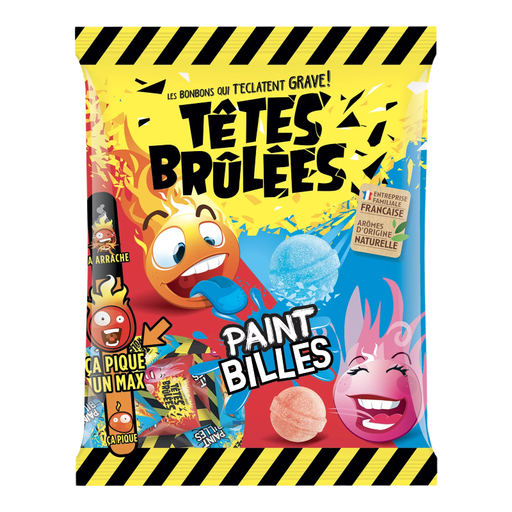
Why we chose it: For those who live for the "this is really sour!" moment, the reputation of Têtes Br?lées is second to none. These balls are designed for a direct, intense sour hit before revealing a fruity centre.
This product delivers on its promise of intensity, sidestepping the "superficial sour" trap. The coating is generous, and the citric acid, a key ingredient, doesn't hold back.
A reliable choice that challenges even the most seasoned taste buds.
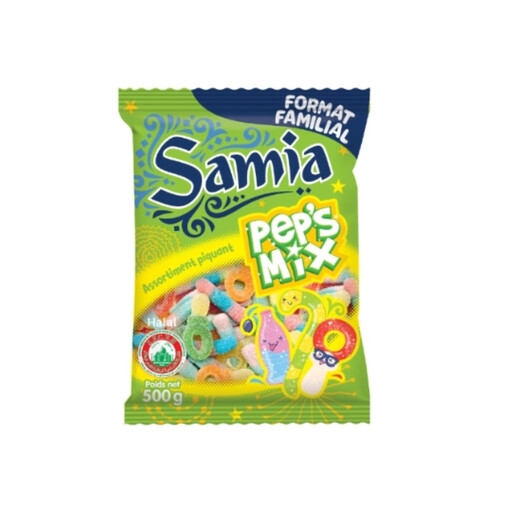
Why we chose it: Perfect for those looking for sour sweets that comply with a halal diet. This assortment combines multiple shapes and flavours in a generous format, ideal for sharing with family and friends.
It eliminates any ambiguity by displaying a clear halal certification (SFCVH) and using beef gelatin. This avoids the opaque ingredient list trap.
The peace of mind of a clear certification and a varied assortment in a 500 g format.
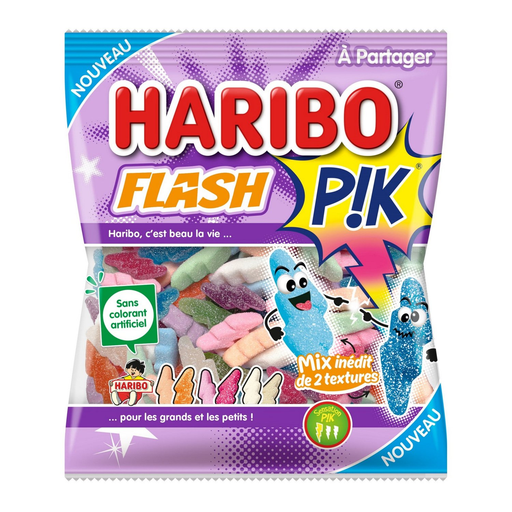
Why we chose it: When you need to please a crowd, Haribo is a reliable choice. The Pik range offers a masterful balance between sourness and fruity flavours. This mix of 6 tastes and textures is perfect for birthdays or parties.
It bypasses the "superficial sour" pitfall with a well-calibrated acidity: enough to please enthusiasts, but not so much that it scares off newcomers.
A wide variety of tastes and textures in a single bag, all from an iconic brand.
We have selected a full range of candies that meet our criteria for quality and taste.
In everyday language, these terms are often used interchangeably to describe a very tart treat. The word "sour" simply suggests a higher intensity than "acidic" or "tart." Be careful, though: some candies, especially from Asia, can be literally spicy and contain chilli (like tamarind candies). Always read the product description before you dive in.
Trust the brand's reputation. Names like Têtes Br?lées specialise in this niche. Next, take a look at the ingredients list: the presence of citric acid and malic acid at the top of the list is a dead giveaway.
Yes, more and more manufacturers are offering alternatives. Look for candies whose ingredient list mentions pectin (a plant-based gelling agent) or starch instead of gelatin. This is crucial information for vegetarian or vegan diets, or for finding halal sour candy when certified beef gelatin isn't used.