Families serving lunch at home for several people
If several people are having soup, compare the carton size with the number of portions you actually need. The ranges featured by Carrefour, E.Leclerc and Auchan include 1 L cartons.


If you’re serving several people, a 1 L carton of liquid soup is worth considering if you can use the contents after opening. For an individual lunch or varying appetites, 2 × 30 cl cartons make it easier to portion out; instant soups can be prepared as needed, but instructions vary. In every case, check the ingredients, allergens and nutritional information for the recipe you choose.
If several people are having soup, compare the carton size with the number of portions you actually need. The ranges featured by Carrefour, E.Leclerc and Auchan include 1 L cartons.
For an individual lunch or varying appetites, separate 2 × 30 cl cartons and sachet preparations mean you don’t have to open a large pack every time. E.Leclerc and Auchan, in particular, offer these smaller pack sizes.
The description ‘vegetable soup’ doesn’t tell you everything that’s in it. Check the exact recipe, highlighted allergens and nutritional values, especially if certain ingredients need to be avoided.
First decide how much soup you’ll serve and how you want to prepare it, then compare the labels of recipes that suit your lunch.
| Criteria | What to check | Who it matters to |
|---|---|---|
| Quantity for several people | Carton size and number of portions you want; whether you can use the leftovers after opening. | When several people are having lunch together, look for an amount that matches the bowls you’ll be serving. Around 31% of consumers prioritise a family-sized quantity. |
| Portions and leftovers | Separate packs, particularly 2 × 30 cl, and the volume of soup made from each sachet. | If appetites vary from one lunch to the next, choose a format that lets you open or prepare only the amount you need. For around 31% of consumers, being able to adjust portions comes ahead of other criteria. |
| Ingredients and allergens | Ingredients list, highlighted allergens and nutritional values per 100 ml where applicable. | If certain ingredients need to be avoided, check each recipe rather than relying on its name. Around 23% of consumers make checking the label their top priority. |
| Preparation method | Liquid soup to heat or instant preparation; water, equipment and instructions required. | If you’re preparing lunch with the equipment available, check the steps before choosing a sachet or carton. Around 15% of consumers put ease of preparation first. |
Liquid soup in a carton and an instant preparation don’t involve the same steps. The Royco sachets listed by Auchan are instant soups, not cartons of liquid soup.
Check the preparation method and the volume you’ll get before choosing a format for lunch.
A 1 L carton may leave you with leftovers after an individual lunch, while separate packs let you open one portion at a time.
Estimate how many bowls you’ll serve and check the storage instructions for the chosen product after opening.
A vegetable soup recipe may contain other ingredients. One Carrefour product listing, for example, mentions wheat, egg, cream and celery for a specific product.
Read the ingredients list for the product you buy and look out for highlighted allergens, as recommended by the DGCCRF when checking food labels.
Manger Bouger explains that the Nutri-Score is calculated per 100 g or 100 ml of product. On its own, it doesn’t tell you about the ingredients, allergens or serving size.
If it appears on the pack, consider it alongside the ingredients list and nutritional information for the recipe.
The retailer offers liquid soups under its own brand, including 1 L cartons.
The range includes a 1 L carton of liquid vegetable soup.
E.Leclerc offers 1 L soup cartons as well as 2 × 30 cl packs.
The retailer offers liquid soups under its own brand in 1 L and 2 × 30 cl formats.
Auchan lists Royco instant soups, including a pack of four sachets, each making 20 cl of soup.
ALDI offers 1 L soups in this range, including a puréed seven-vegetable soup and a creamy vegetable soup with red lentils.
This selection includes instant soups to prepare as needed and a liquid soup in two 30 cl cartons. When choosing between them, consider the amount you want, the preparation instructions and the recipe.
 Image unavailable
Worth considering if you’re looking for a noodle and mushroom preparation. The pack states 69 g and 0.70 L; check the preparation instructions and allergens before serving.
 Image unavailable
The three 20 cl portions are a good choice if you want to prepare soup separately for the number of people you’re serving. Check the instructions and allergens for this noodle recipe.
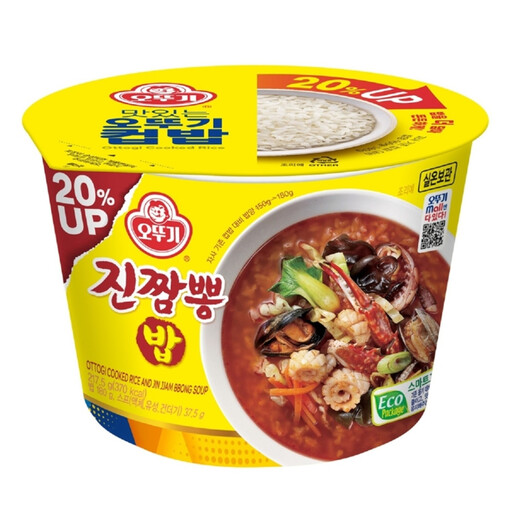 Image unavailable
This soup with rice is another option for an individual lunch. The pack states 217.5 g; check the volume it makes, the preparation steps and allergens on the packaging.
 Image unavailable
The two 30 cl cartons let you open one portion without opening the other. For this liquid 12-vegetable soup, check the ingredients and reheating instructions for the product you buy.
 Image unavailable
This eight-piece pack is a good choice if you’re looking for tofu miso soup to prepare as needed. Check the instructions to find out how much water to use per portion, and check the allergens.
No. Liquid soup in a carton is ready to heat, while instant soup needs to be prepared according to the instructions on the pack. Before choosing one for lunch, check what equipment you’ll need and how much soup it makes.
Read the nutritional information on the same basis, usually per 100 ml for liquid soups. The DGCCRF says that figures per 100 g or 100 ml make comparisons easier; also check the portion you plan to serve.
Check the ingredients list and any highlighted allergens on the packaging for the exact recipe. The DGCCRF specifies that allergens must be highlighted; the name ‘vegetable soup’ alone doesn’t tell you everything that’s in it.
This refers to a best-before date, which is different from a ‘use by’ date. The DGCCRF distinguishes between the two: check which date appears on your product and follow its storage instructions too, particularly after opening.