Households planning several meals
If you’re sharing a ready-to-heat soup between several people or meals, check the volume and stated number of portions before choosing a large carton.


For your weekly shop, a 1 L carton is a good choice if you’ll use several portions within the recommended time after opening. A pack of 2 × 30 cl can help you avoid leftovers. Dehydrated sachets are better suited to individual portions that you prepare with hot water. Whichever you choose, check the recipe, allergens and storage instructions for the specific product.
If you’re sharing a ready-to-heat soup between several people or meals, check the volume and stated number of portions before choosing a large carton.
If you live alone or rarely eat soup on two days in a row, separate cartons may be easier to fit into your planned meals.
If ingredients, allergens or nutritional information matter to you, compare the labels of the specific products, even when they’re from the same brand.
Start by choosing an amount you can use, then distinguish between soups that are ready to heat and preparations that need water added.
| What to consider | What to check | Who it matters to |
|---|---|---|
| How much you need for the week | The container size and stated number of portions; for a sachet, the volume of soup it makes. | If I’m planning several meals, I want to know how many portions the product will actually provide. Around 36% of consumers would put this first. |
| Leftovers after opening | The size of individual containers and the storage instructions after opening for the specific product. | If I live alone, opening a litre could leave more soup than I can finish in time. Around 21% of consumers would prioritise avoiding leftovers. |
| Recipe and label | Ingredients, allergens and nutritional values, compared on the same basis; check the Nutri-Score if one is displayed. | I want to compare two recipes without assuming they contain the same ingredients or allergens. Around 29% of consumers would prioritise checking the label. |
| Preparation and storage | How to prepare it, how much water to add to a sachet and how to store it before opening. | If I’m stocking up the cupboard, I need to know whether the soup needs heating or mixing with water. Around 14% of consumers would prioritise this convenience. |
A large container may leave leftovers that need to be stored according to the instructions after opening. For example, the product information for a 1 L Liebig soup says to refrigerate it and consume it within 48 h.
Choose a size that suits your planned meals and follow the instructions on the product you buy. Otherwise, consider individual containers.
Some of the soup could go to waste if you can’t finish it within the recommended time.
Ingredients and declared allergens vary by recipe. The Royco carrot and mushroom noodle soup featured here, for example, declares gluten, celery and milk.
Check the ingredients list, allergen declaration and nutritional information for the specific product you choose.
The Royco carrot and mushroom noodle soup available on Joybuy is a dehydrated preparation sold in three sachets, each making 20 cl of soup.
Carrefour offers its own-brand liquid soups in several recipes, including tomato and vegetable.
The E.Leclerc soup range includes 1 L cartons and 2 × 30 cl packs, depending on the recipe.
Auchan offers a 1 L vegetable soup labelled as serving four, as well as products in 2 × 30 cl packs.
ALDI offers 1 L vegetable soups, including a blended mixed vegetable soup and a velouté.
Lidl features soups in its catalogues, including occasional recipes that may not be a ready-to-heat vegetable soup.
These products include smaller cartons that are ready to heat and instant soups in individual portions. First decide which preparation method suits you, then check the volume or number of portions for each product.
 Image unavailable
Two separate cartons may suit you if you’d rather open a smaller portion at a time than a whole litre.
Size: 2 × 30 cl. Check the storage instructions after opening on each carton.
 Image unavailable
The three individual sachets are handy when you want portions to prepare with hot water.
Each sachet makes 20 cl of soup. The recipe declares gluten, celery and milk, among other ingredients; check the label for the full ingredients list.
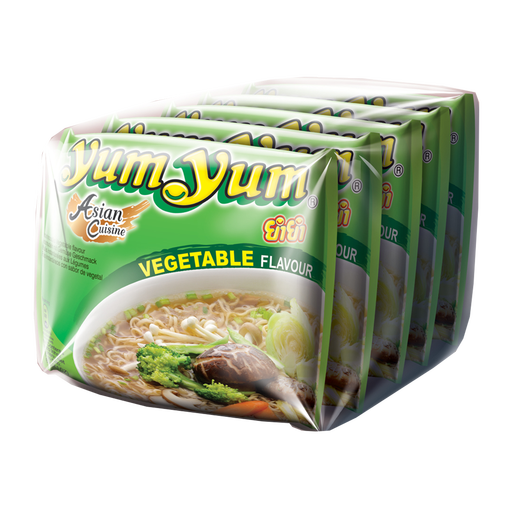 Image unavailable
This pack of individual portions may suit you if you need instant soup for several meals.
Pack size: 5 × 60 g. Check the preparation instructions and the amount of soup each portion makes on the packaging.
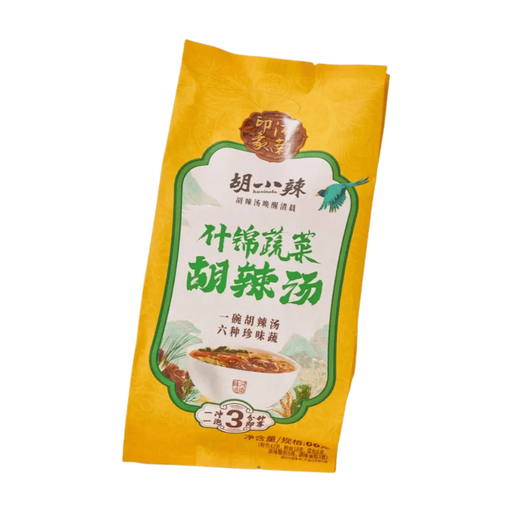 Image unavailable
This instant preparation is for anyone looking for a spicy recipe rather than a liquid soup that’s ready to heat.
Pack size: 66 g. Check the preparation instructions and ingredients list for this recipe.
Follow the instructions on the product you buy. For example, a 1 L Liebig soup featured by Auchan should be refrigerated and consumed within 48 h of opening. This guidance doesn’t automatically apply to other products.
The DGCCRF says a product may be consumed after its best-before date, or DDM, if the packaging is intact, although its flavour and other qualities may change. Check the exact wording and storage instructions: the DGCCRF distinguishes a DDM from a use-by date, or DLC, which is a strict deadline.
No. The Ministry of Health describes the Nutri-Score as information about overall nutritional quality. To check for allergens, read the ingredients list and allergen declaration on the specific product.
Not necessarily. Lidl says some smaller shops may not stock every item featured in its catalogues. Check the dates shown and whether the product is available at the shop you’re planning to visit.