People serving individual meals
If you’re serving one person at a time, two separate 30 cl cartons let you open one portion at a time instead of a larger carton. Carrefour, E.Leclerc and Auchan offer soups in this format.


For serving one person at a time, a pack of two 30 cl cartons helps limit leftovers after opening. For several planned meals, compare 1 L cartons with 2 x 1 L multipacks, based on the volume you actually need. Distinguish ready-to-serve soups from instant sachets, then check the net quantity, ingredients, allergens, salt content and storage instructions for each product.
If you’re serving one person at a time, two separate 30 cl cartons let you open one portion at a time instead of a larger carton. Carrefour, E.Leclerc and Auchan offer soups in this format.
For group or repeat servings, 1 L cartons and some 2 x 1 L multipacks give you more soup to store. However, the stated number of portions varies by product, so compare it with the quantities you plan to serve.
If meals need to account for allergens or specific dietary requirements, compare each recipe individually. The ingredients list, allergen information and nutritional details are more useful than the soup’s name alone.
First, work out how much soup you need to serve and how many meals you’re planning. Then check whether it’s ready to serve or needs reconstituting, and read the label for the recipe you’ve chosen.
| Criteria | What to check | Who it matters to |
|---|---|---|
| Individual portions | Volume per unit and number of separate units, particularly in a pack of 2 x 30 cl. | When I’m serving one person, I’d rather open a small unit than have to manage the rest of a large carton. Around 33% of consumers prioritise this portion size. |
| Stock for several meals | Total volume in the pack, stated number of portions and instructions for after opening. | For repeat servings, I need enough soup in the cupboard while also being able to use it once opened. Having a good supply is the top priority for around 25% of consumers. |
| Preparation at serving time | Whether it’s described as “ready-to-serve soup” or “instant soup”, and the preparation instructions. | If I can’t reconstitute soup on site, I need to choose a format that works for the planned service. Easy preparation is the priority for around 25% of consumers. |
| Recipe ingredients | Ingredients, highlighted allergens and salt per 100 ml, then per serving. | If I need to take a dietary restriction into account, I compare the exact recipe before planning the meals. For around 17% of consumers, ingredients are the top consideration. |
A pack of instant soup sachets isn’t used in the same way as ready-to-serve soup in a carton: serving it depends on following the reconstitution instructions.
Before choosing a pack, check the product description, net quantity, number of units and preparation method.
The name of a vegetable soup isn’t enough to identify its allergens or salt content. The Joybuy listing for Liebig 12-vegetable soup, 2 x 30 cl, states that it contains celery and milk, and has 0.67 g of salt per 100 ml. This information applies to this product only.
Check the label for each product and compare salt on the same basis: per 100 ml, then per serving actually given.
The DGCCRF states that bulging, rust or dents may indicate that a tinned product has spoiled. For an opened carton or tin, the printed date doesn’t replace the manufacturer’s storage instructions.
Don’t use a tin if its condition gives you cause for concern, and plan servings around the temperature and time limits given for storage after opening.
Auchan offers Royco instant soups, including packs of four sachets, each stated to make 20 cl.
Carrefour offers soups in 1 L cartons, as well as products in 2 x 30 cl packs.
E.Leclerc offers Régal Soupe velouté soups in 1 L cartons, as well as products in 2 x 30 cl packs.
Auchan offers ready-to-serve soups in 1 L and 2 x 30 cl formats; some 1 L products are stated to serve four people.
ALDI’s range includes 1 L soups and soup dishes, as well as 500 ml products.
These products suit two different needs: smaller cartons of soup for defined portions, and instant soup to prepare at serving time. Choose according to whether you can prepare the soup on site, and check the label of the product you select.
 Image unavailable
The two 30 cl units let you open a small portion at a time for an individual serving.
The Joybuy listing states that the pack contains 600 ml in total and has 0.67 g of salt per 100 ml. It also lists celery and milk. Check the packaging for preparation and storage instructions after opening.
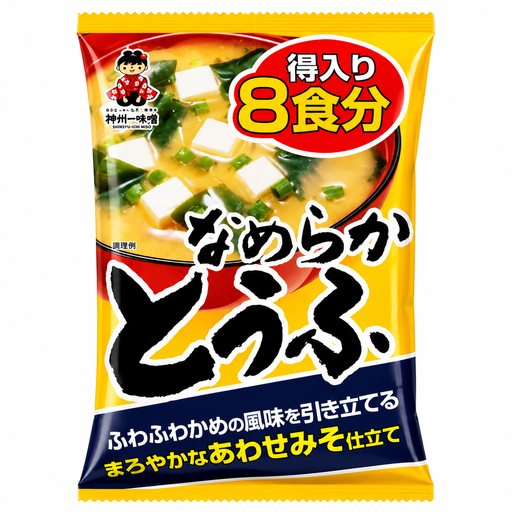 Image unavailable
This instant format may suit portioned servings if hot water is available when you need to prepare it.
It isn’t used in the same way as ready-to-serve soup in a carton. Before planning your meals, check the packaging for ingredients, allergens, preparation instructions and storage advice.
Choose 2 x 30 cl if you want to open a small unit for each serving. A 1 L carton is more suitable when you’ve already planned several portions and can store the remainder according to the manufacturer’s instructions.
Only if you can prepare it at the time and place you’re serving it. The Royco instant soup sachets offered by Auchan are different from ready-to-serve soups in cartons, so check the reconstitution method and equipment required.
Check the product description, net quantity, ingredients, allergens, nutritional information and date shown. The DGCCRF reminds consumers that allergens must be highlighted in the ingredients list. To compare portions of different sizes, use the nutritional values for the same quantity.
Follow the storage temperature and time limit shown on the packaging: the printed date alone isn’t enough once it’s open. If a metal tin is bulging, rusty or dented, the DGCCRF recommends not eating its contents if you have any doubts.
As the DGCCRF advises, food transported for professional purposes should be placed and protected in a way that helps limit the risk of contamination. Also follow the manufacturer’s storage instructions for each soup and plan your transport around the products you’re actually serving.