Organisers planning several portions
You’re looking for a long-life soup for volunteers or as an additional offering, and need to estimate how much to serve based on the product’s volume.


To serve volunteers or offer soup alongside a cake sale, choose a carton if you want a liquid soup that’s ready to heat. If you specifically need a tin or jar, check the product details. Instant soup needs hot water and may need cooking. Before arranging the service, confirm the plans with the school and check the recipe and allergens.
You’re looking for a long-life soup for volunteers or as an additional offering, and need to estimate how much to serve based on the product’s volume.
You need to choose between liquid soup that needs heating and instant soup, depending on the hot water, equipment and time available.
Before serving a product at a school event, you need to check its ingredients, allergens and date information.
First decide whether the soup is for volunteers or the public, then choose a format that suits your plans. A carton that’s ready to heat, a tin or jar, and a sachet that needs preparing all require different arrangements.
| What to consider | What to check | Who it’s for |
|---|---|---|
| Servings needed | Volume or net weight, and the number of portions for the containers you’ll use. | If I’m serving a group, I want to make sure there’s enough soup without confusing the contents of a carton with those of a sachet. Around 33% of consumers rank portion size as their top priority. |
| Format and preparation | Whether the soup is ready to heat or needs reconstituting; whether hot water, cooking and equipment are required. | When serving on site, I need to choose something the team can realistically prepare. For around 27% of consumers, ease of storage and serving comes before other considerations. |
| Ingredients and allergens | The ingredients list, declared allergens and nutritional information for each recipe. | If I’m offering soup to a varied audience, I want to be able to share what’s in it rather than assume a vegetable recipe is suitable for everyone. Checking ingredients and allergens is a priority for around 27% of consumers. |
| School arrangements | The soup’s role at the event, approval from the school or association, and serving arrangements. | Before adding a hot option to a cake sale, I want to know who will prepare and serve it. Around 13% of consumers put these arrangements first. |
A carton of liquid soup, an instant mix and a jar don’t offer the same packaging or preparation options.
Check the packaging to see whether you’re buying soup that’s ready to heat, a mix to reconstitute, a tin or a jar.
A 1 L carton, a sachet and an 800 g jar don’t necessarily provide the same number of bowls.
Check the net quantity and preparation instructions, then estimate the portions based on the containers you’ll use.
Even a soup made mainly with vegetables can contain allergens: Carrefour’s listed pistou soup in a jar, for example, declares gluten and eggs.
Keep the label for each product to hand and share its ingredient and allergen information with the people serving the soup.
Instant sachets need hot water; liquid soups need heating if they’re to be served hot.
Agree with the school or association what equipment is available and who is responsible for preparing and serving the soup.
Remember to plan for the containers and utensils you’ll need, too.
A retailer where you can compare liquid soups in cartons with some recipes in jars.
A 1 L Eco+ vegetable soup, described as ready to eat.
A retailer with soups and broths in its own-brand ranges.
An instant soup brand to consider if you can prepare the soup with hot water.
A retailer whose own-brand range you can check when planning a local shop.
These products are soups or sachet mixes to serve after adding hot water, with one requiring cooking. They’re suitable if you can arrange the preparation; this isn’t a selection of liquid soups in tins or jars.
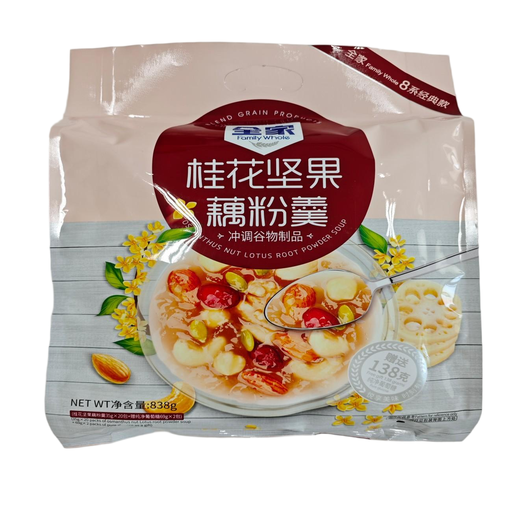 Image unavailable
A sweet soup in sachets to consider if you can prepare each portion with hot water. The pack contains 20 sachets of 35 g; the description lists tree nuts and sesame. Check the label before serving.
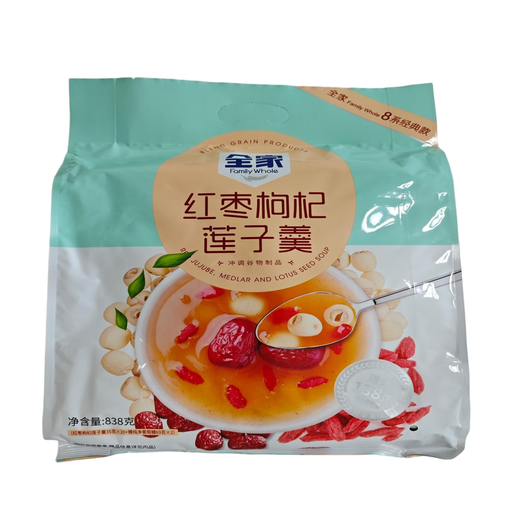 Image unavailable
A portioned mix to consider if hot water is available on site. The pack contains 20 sachets of 35 g; check the ingredients and allergen information on the packaging before serving.
 Image unavailable
An instant miso soup in individual portions, if you have hot water available. The instructions recommend around 160 ml of water at 80 °C per portion and a one-minute steep; the description lists soya and possible gluten and traces of wheat. Check the packaging before serving.
 Image unavailable
A dried soup to consider if you can cook it on site. It’s described as making two portions and taking five minutes to cook, but the stated water quantities differ, so check the dilution and yield on the packaging. The description lists gluten and celery, as well as possible traces of egg, soya and milk.
No. A carton, tin and jar are different types of packaging. If you specifically need a tin or jar, check the product details and packaging rather than relying on the words ‘long-life’ alone.
Yes. Check the information for each recipe and keep it accessible while serving. Service Public Entreprendre reminds food businesses that allergen information applies to processed foods, whether prepacked or not. So don’t assume that a vegetable soup is allergen-free.
Check the product name, ingredients list, allergens, nutritional information, net quantity and date information. The DGCCRF lists these among the details required on prepacked food labels in France.
Only plan to offer it once you’ve agreed the arrangements with the school or association. You’ll need to be able to prepare the soup, serve it and share allergen information. The French Ministry of Education’s 2002 circular on school events highlights the importance of taking appropriate precautions with food served; it doesn’t replace the guidance for your specific event.