Hosts serving a hot starter
You’re looking for soup that’s ready to heat for several guests, and want to work out how many bowls you’ll need before choosing a large container.


For serving soup on New Year’s Eve, first choose between a large container that’s ready to heat and individual portions you prepare separately. Carrefour lists a 780 g tin of soup and an 800 g jar of velouté, both sold individually; the multipacks mentioned here are cartons or sachets instead. If you specifically need several tins in one multipack, check the number and type of containers carefully before ordering.
You’re looking for soup that’s ready to heat for several guests, and want to work out how many bowls you’ll need before choosing a large container.
You’d rather store several portions separately and can make up sachets with hot water when you need them.
Ingredients, allergens, salt and storage instructions matter just as much as the format for your meal.
First decide whether you want soup that’s ready to heat or portions you can prepare one bowl at a time. Then check whether you specifically need a metal container, a large container or a multipack: these features don’t necessarily come together.
Consider this: if a metal container and soup that’s ready to heat are your priorities. Carrefour lists a 780 g tin of Corsican fish soup.
Bear in mind: this product is sold as a single tin and contains fish.
Consider this: if a large container that’s ready to serve suits you and you don’t specifically need metal. Carrefour, for example, lists an 800 g onion velouté.
Bear in mind: a jar isn’t a tin, and on its own it isn’t a multipack.
Consider this: if you’re looking for several portions of liquid soup. Carrefour, for example, lists 2 × 30 cl formats.
Bear in mind: a multipack gives you several units, but they aren’t tins.
Consider this: if you want to prepare individual portions. Auchan, for example, lists Royco packs containing several sachets.
Bear in mind: you need to add hot water, so this isn’t liquid soup that’s ready to heat.
| What to consider | What to check | Who this matters to |
|---|---|---|
| Serving format | Total weight or volume; number of portions and any preparation needed. | I want to serve several bowls without preparing each portion separately. Around 33% of shoppers put this serving format at the top of their list. |
| Ingredients and salt | Ingredients and allergens in the recipe; salt per 100 g or 100 ml, then per serving. | If any guests need to avoid certain ingredients, I must read every label before choosing a recipe. For around 25% of shoppers, ingredients are the top priority. |
| Storage and leftovers | The date shown on the packaging; storage instructions before and after opening. | I’m stocking up for New Year’s Eve, but I also need to be able to store any soup left in a large container once opened. This is the top priority for around 25% of shoppers. |
| Multipack of tins | The material, number of tins and quantity in each tin, as stated for the product you’re ordering. | A multipack of cartons or a box containing sachets won’t meet my need for several tins. Around 17% of shoppers prioritise this specific requirement. |
The Royco packs listed by Auchan contain several sachets of dried soup mix. They need hot water and aren’t tins of liquid soup.
Check the container material, number of units and how much soup you’ll have after preparation.
A 780–800 g jar or tin may not provide exactly the number of bowls you need. Storage instructions also change once it’s opened.
Work out how many portions you need and read the recipe’s instructions before opening the container.
Make room in the fridge if the label says to keep opened soup chilled.
The Corsican fish soup listed by Carrefour contains fish; other recipes mentioned include ingredients such as milk, celery or gluten. Salt levels also vary between products.
Check the ingredients and allergens for each product, then compare salt levels on the same basis in the nutritional information.
Instant soups in sachets for making individual portions, rather than tins of liquid soup.
Liquid soups in a range of formats, including 1 L containers and 2 × 30 cl multipacks on Carrefour’s category page.
An 800 g jar of onion velouté listed by Carrefour, for shoppers who are happy with a glass container.
A 780 g tin of Corsican fish soup listed by Carrefour.
These Joybuy products are suitable if you want to keep several portions of soup that can be prepared individually. They aren’t a substitute for liquid soup in a tin that’s ready to heat.
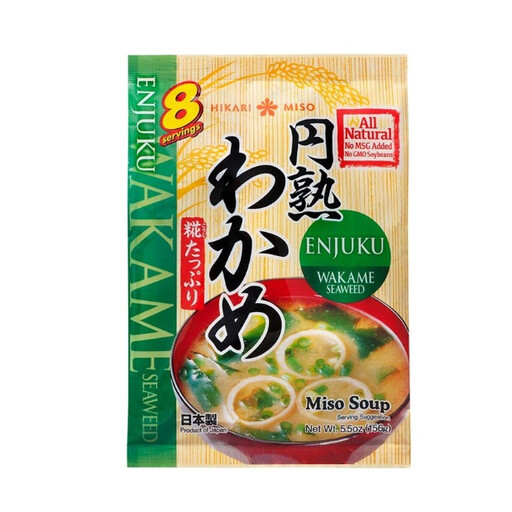 Image unavailable
A handy choice to keep in reserve as individual portions, if you can make up each bowl with hot water.
Check the ingredients and allergens for the variant before serving it to your guests.
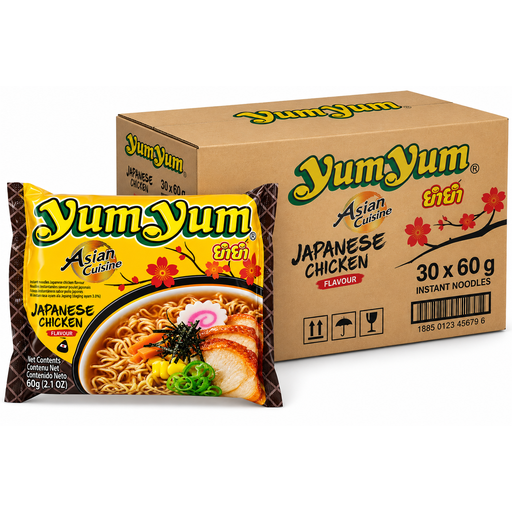 Image unavailable
This multipack is handy for stocking up on individual portions to prepare, rather than serving liquid soup straight away.
Check the packaging for allergens and storage instructions specific to this product.
 Image unavailable
This pack lets you set aside a few portions to make with hot water, but it isn’t a multipack of tins.
Check the allergens and salt levels shown on the packaging before choosing this recipe for your meal.
Start by comparing the amount of soup that’s ready to serve and the number of portions, allowing for the water you need to add to sachets. For nutritional information, compare like with like using the same basis—per 100 g or per 100 ml—rather than comparing portions of different sizes directly.
Follow the product’s storage instructions after opening, even if it was previously kept in a cupboard. The fish soup in a jar listed by Monoprix Courses must be stored between 0 °C and +4 °C after opening and used promptly.
Check the product name, ingredients, allergens, net quantity, date shown and storage instructions. The DGCCRF states that allergenic ingredients must be highlighted; nutritional information also lets you compare salt per 100 g or per 100 ml.
The ADEME advises putting empty metal packaging in the recycling bin, bag or container, loose, unwashed and not nested inside other items. Also follow the instructions provided by your local council.