If you’re serving the same soup to several people, a ready-to-heat carton can be convenient, provided it holds the amount you’ll actually use. Dehydrated sachets are better suited to meals eaten at different times, while a tin can also be useful to keep in the cupboard, as long as you choose a specific recipe and check the packaging is in good condition. In all cases, check the ingredients, date and instructions for storage after opening.
Which formats suit your household?
Families sharing the same meal
If several people are having the same soup at the table, start by thinking about how much you’ll actually use. Carrefour France, for example, lists a 1 L carton of Carrefour Classic' liquid soup. It’s worth comparing this format with what you need for the meal, rather than choosing it based on its capacity alone.
Households eating at different times
If everyone eats at a different time, individual sachets let you prepare soup as needed. Carrefour France lists Royco dehydrated soup with 10 vegetables and croutons in a pack of three sachets. However, consider the recipe separately from the format.
People who pay close attention to ingredients
If certain ingredients are a concern in your household, compare the ingredients and allergen information for each recipe. Check the nutritional values on the same basis too, particularly the salt content, but don’t assume that a soup is suitable for everyone based on a single figure.
What should you look for first?
When stocking up for a large family, first choose between ready-to-heat soup and soup that needs to be reconstituted, based on your mealtimes. Then check the usable quantity, recipe and storage instructions for the product you choose.
Liquid soup in a carton
Worth considering: several people are having the same soup at the same meal and want to heat it up without reconstituting it.
Bear in mind: a large container is only useful if you’ll use its contents according to the instructions on the packaging once opened.
Dehydrated sachets
Worth considering: portions are prepared separately, and compact packaging is a better fit for your cupboard.
Bear in mind: you’ll need to reconstitute the soup and check the ingredients of your chosen recipe, which may differ from those of a liquid soup.
Tin
Worth considering: a specific tinned soup comes in the portion size you want to keep in your cupboard.
Bear in mind: the condition of the tin matters just as much as the information printed on it. Avoid tins that are dented, rusty or bulging.
| Criteria |
What to check |
Who is it for? |
| Quantity for the meal |
Net volume and stated number of portions; how much the family will use once opened. |
When everyone eats together, I want enough soup without opening more than necessary. For around 36% of consumers, having the right amount for a shared meal would be the top priority. |
| Individual portions |
Number of sachets or portions, and the volume once prepared. |
If we eat at different times, I’d rather prepare only the bowls we need. This flexibility would come first for around 29% of consumers. |
| Ingredients |
Ingredients, allergens and nutritional values, particularly salt, compared on the same basis. |
Some ingredients may not be suitable for my household, so I need to be able to identify the recipe before buying. Around 21% of consumers would prioritise this check. |
| Storage |
Date, instructions for storage after opening and, for tins, no dents, rust or bulging. |
To keep a usable supply in the cupboard, I want to be able to keep track of dates and spot damaged packaging. This check would be the top criterion for around 14% of consumers. |
Mistakes to avoid
-
Assuming all cupboard soups come in tins
Liquid soup in a carton and dehydrated soup in a sachet need different preparation, and they may not meet the same portioning needs.
Check the actual packaging before comparing quantities and recipes.
-
Relying on the name “vegetable soup” alone
A recipe name doesn’t rule out the presence of an allergen. Nor do the ingredients for one product apply to every soup from the same brand.
Read the ingredients and allergen information for the specific product you plan to serve.
-
Checking only the date on a tin
According to the DGCCRF, dents, rust or bulging can indicate that a product has deteriorated, whatever the printed date says.
Set aside any tin with these defects. If in doubt, don’t eat its contents.
Brands to consider by format
These examples help you compare formats and recipes; they don’t represent every product from each brand.
Carrefour Classic'
Carrefour France lists a 1 L carton of Mouliné soup with 8 vegetables, worth considering for a shared meal when you want a soup that’s ready to heat.
- The product information for this particular soup lets you check its ingredients, allergens and nutritional values.
- Check whether the recipe and carton size suit your planned meal; they aren’t representative of the whole range.
Royco
Carrefour France lists Royco dehydrated soup with 10 vegetables and croutons in a pack of three sachets, a format to consider when preparing separate portions.
- Sachets make it easy to prepare individual servings, rather than opening a large container of liquid soup.
- The recipe mentioned contains wheat, milk and celery, among other ingredients. Check the allergen information for each Royco product.
Knorr & La Potagère
Carrefour France’s range includes liquid soups from these brands, including pumpkin and leek and potato recipes.
- These recipes give you other liquid soups to consider if you’re looking for a ready-to-heat format.
- Check the label and packaging for the specific product rather than assuming the brands share the same ingredients.
Individually portioned soups on Joybuy
These instant soups, sold in sachets or cups, are best suited to preparing individual bowls. If you’re eating together, compare the stated number of portions and prepared quantity with what your family needs. These formats aren’t automatically a substitute for a large carton of ready-to-heat soup.
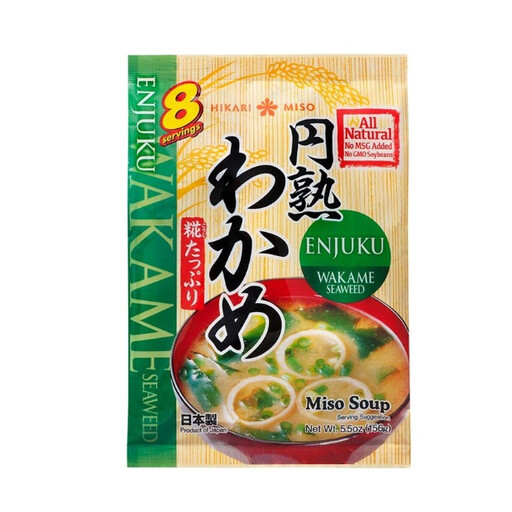 Image unavailable
Hikari Enjuku, wakame miso soup, 156 g, 8 portions
Worth considering if you want to keep several portions of miso soup to prepare individually. The pack is listed as 156 g for 8 portions. Check how much water is needed per portion and the allergens listed on the label.
View on Joybuy
 Image unavailable
Royco, dehydrated soup with noodles, carrot and mushrooms, 3 × 20 cl
The three stated portions are suited to separate servings rather than a large meal shared by everyone. Each portion makes approximately 20 cl when prepared. Check the recipe and allergen information before adding it to your family’s cupboard.
View on Joybuy
 Image unavailable
Knorr, Thai mushroom noodle soup, 2 Assorted, 69 g, 0,70 L
This dehydrated format is worth considering for an occasional serving rather than as a large soup ready to serve. The product name gives the weight as 69 g and the volume as 0,70 L. Check the preparation instructions and ingredients for the variant you choose.
View on Joybuy
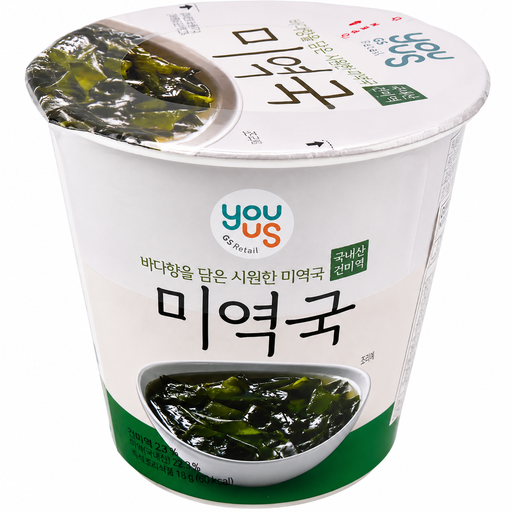 Image unavailable
GS Youus, seaweed cup soup, 11 g
This cup is designed for an individual serving of soup, not for serving a large container at the family table. It contains 11 g of soup mix. Check the label if there are ingredients your household needs to avoid.
View on Joybuy
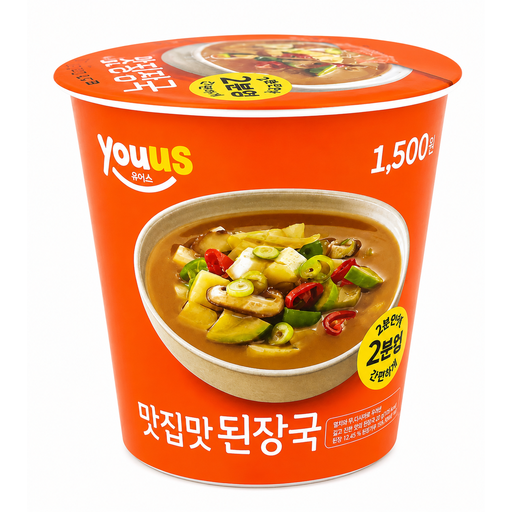 Image unavailable
GS Youus, soybean doenjang cup soup, 11 g
This cup is worth considering when you want to prepare a separate serving of soup because you don’t all eat together. The product is listed as 11 g. Check its ingredients and storage instructions before adding it to your cupboard.
View on Joybuy
Frequently asked questions
Does soup have to be thrown away if it’s past its best-before date?
No. Passing the best-before date (DDM) doesn’t, by itself, mean that soup is unsafe to eat. The Ministry of the Economy distinguishes between a best-before date (DDM) and a use-by date (DLC). Follow the storage instructions on the packaging and check its condition before use.
What should you check on an old tin of soup?
Check the tin before opening it. The DGCCRF lists dents, rust and bulging as possible signs of deterioration. If the tin has any of these defects or you have any concerns, don’t eat its contents.
How do you choose a soup if you need to avoid certain ingredients?
Read the ingredients and allergen information for the specific product, even if its name simply suggests it’s a vegetable soup. Also check the nutritional information and net quantity to compare products that suit the meal you have in mind.
Is the printed date enough once a soup has been opened?
No. Once opened, it’s essential to follow the storage instructions for that specific product. In particular, stick to the temperature and time limit shown on the packaging rather than relying only on the original best-before or use-by date.


