What should you look for first?
First decide how much soup you want to eat tonight, then compare the pack format and the label of your chosen recipe. A sachet you make up, a carton of ready-made soup and a tin won’t necessarily meet the same needs.
| Criteria |
What to check |
Who it suits |
| Just the right amount, with no leftovers |
Prepared volume or net volume; number of sachets and servings. |
I want to finish my soup in one meal without opening more than I need. Around 33% of consumers put getting the right amount with no leftovers first. |
| A more generous serving of ready-made soup |
Volume of 500 ml or 60 cl; ready-made soup or soup to prepare. |
For dinner, I prefer ready-made soup and don’t mind checking whether the pack leaves leftovers. This is the top priority for around 25% of consumers. |
| Ingredients and salt |
Salt per serving consumed; ingredients list and allergens. |
Before choosing a recipe, I need to know what’s in it and how much salt I’ll be eating. Checking the label is the priority for around 25% of consumers. |
| Pack format |
Tin, carton or sachet; format available at your chosen shop. |
If I’m looking for a tin, a sachet of soup doesn’t meet my needs, even if the volume suits me. Around 17% of consumers put finding their preferred pack format first. |
Soups to explore on Joybuy
This selection includes sachets of dehydrated soup, instant noodle soups and ready-made soup in cartons. Compare them by the volume you want and the pack format: none should be mistaken for an individual tin.
 Image unavailable
Royco dehydrated noodle soup with carrot and mushroom, 3 × 20 cl
Worth a look if you’d like to make a small bowl without opening a larger pack of ready-made soup.
The pack contains three sachets, each made up for 20 cl. Check the ingredients and allergens for this recipe, and make sure the amount is right for your dinner.
View on Joybuy
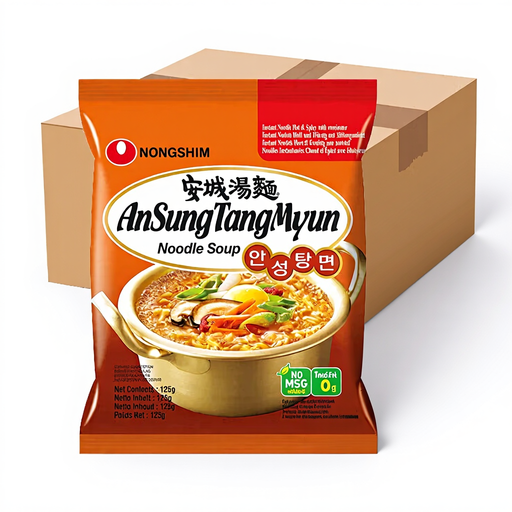 Image unavailable
Nongshim Ancheng instant noodle soup, 20 × 125 g
Worth considering if you’re looking for individual portions of noodle soup and are happy to buy a multipack.
The pack contains 20 sachets of 125 g, rather than a single serving. Check the preparation instructions and the “salt” line for the portion you’ll eat.
View on Joybuy
 Image unavailable
Liebig 12-vegetable soup, 2 × 30 cl
Worth a look if you prefer ready-made soup split into two smaller packs.
The pack contains two 30 cl cartons, giving you 60 cl in total. Check the heating instructions on the pack and, if you open a carton without finishing it, the storage instructions for after opening.
View on Joybuy
 Image unavailable
Maggi Chorba Soep, 85 g sachet
Worth a look if soup you make up from a sachet suits your dinner, but check how much it makes first.
The product information mentions 250 ml of water for the portion in the nutrition table and 750 ml in the sachet instructions. Check the pack to confirm how to prepare it and how many servings it makes before use.
View on Joybuy
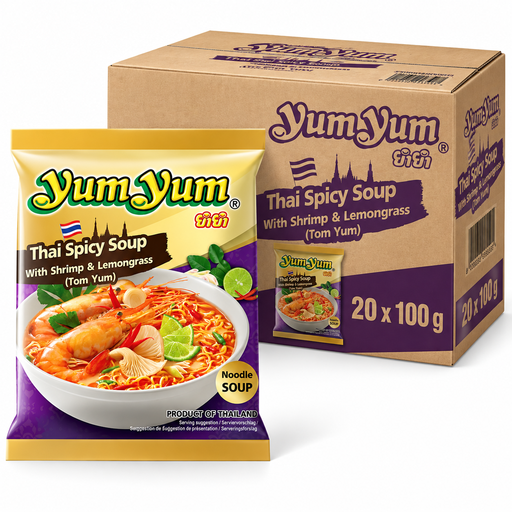 Image unavailable
Yum Yum Tom Yum Shrimp Coco Lemongrass noodle soup, 20 × 100 g
Worth considering if you’re looking for individual sachets of noodle soup and are happy with a pack of 20.
Each sachet is listed as 100 g. Before choosing this product, check the pack for the amount of water required, preparation method and allergens.
View on Joybuy
Frequently asked questions
How much soup should I choose for one person?
Compare the net or prepared volume with how much you plan to eat, then check the number of servings. Auchan’s listing for a Royco sachet specifies 20 cl once prepared, while the ready-made options mentioned by Carrefour and ALDI are 60 cl and 500 ml respectively. The word “individual” doesn’t replace this comparison.
What should I check on the label of prepacked soup?
At a minimum, check the net quantity, ingredients, highlighted allergens, nutritional information and storage instructions. The DGCCRF also notes that products carry either a best-before or use-by date, depending on the product. When comparing two soups, make sure you relate the nutritional values to the amount you’ll eat.
Is the Nutri-Score enough to compare two soups?
No. If a Nutri-Score is shown, check the nutritional information too, especially the salt content for the portion you’re planning to eat, as well as the ingredients and allergens. A score doesn’t tell you how much you’ll eat or whether the recipe meets your dietary needs.
How should I store opened soup for another meal?
Follow the storage temperature and use-by period after opening shown on the pack. The Anses recommends putting opened perishable foods straight back in the fridge; don’t assume all opened soups keep in the same way.


