What should you look for?
For a meal for one, first decide whether you want a separate portion or plan to use a larger container over several meals. Then check how to prepare the product and read its label.
| What to consider |
What to check |
Who might find this useful? |
| Separate portions |
Number of sachets or cartons, and the volume made with each one. |
If I only want to make one bowl, a separate portion means I don’t have to open the whole pack. Around 25% of consumers might put this first. |
| Its place in the meal |
Portion size, ingredients and nutritional information provided. |
If soup is my main meal, I want to know how much I’ll serve and whether I’d like something else with it. This could be the top priority for around 31% of consumers. |
| Using the whole container |
Total volume and storage instructions after opening. |
If I choose a 1 L carton, I need to plan when I’ll have the next bowls rather than leave the rest unused. This could be the top concern for around 25% of consumers. |
| Salt and allergens |
Salt per 100 ml and per portion, ingredients list and listed allergens. |
If I need to keep an eye on an ingredient or compare the salt in two recipes, the brand name alone isn’t enough. Around 19% of consumers might make checking the label their top priority. |
Store-cupboard soups available on Joybuy
These products include soups you can make as needed and one soup in two 30 cl cartons. The Knorr pack is listed as making two bowls, so if you’re eating alone, think about what you’ll do with the second portion.
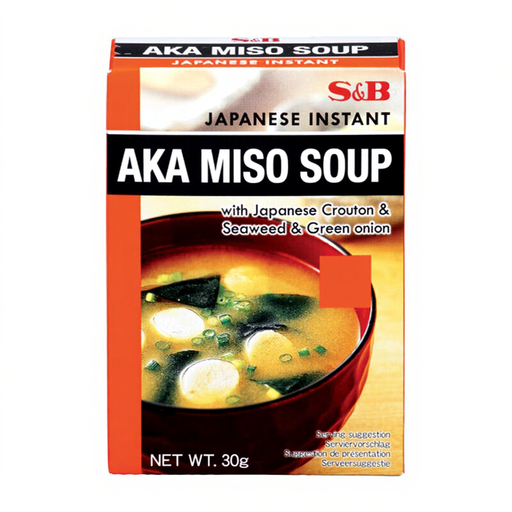 Image unavailable
S&B Instant Aka Miso Soup, 30 g
A miso soup you can prepare when you need it, ideal if you want to serve a bowl without opening a carton. The pack is listed as 30 g; check the preparation instructions and allergens on the packaging before deciding on your portion.
View on Joybuy
 Image unavailable
Royco carrot and mushroom noodle soup, 3 × 20 cl
The three separate portions are handy if you want to make one bowl at a time. This dehydrated soup is reconstituted with hot water. For this recipe, Joybuy lists 1.82 g of salt per 200 ml portion. Check the ingredients and allergens on the packaging too.
View on Joybuy
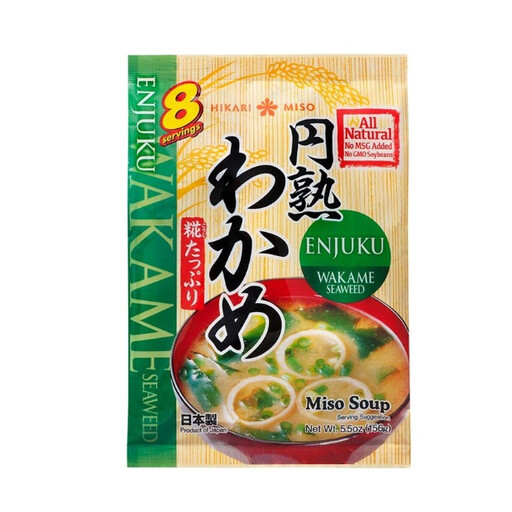 Image unavailable
Hikari Enjuku Miso Soup Wakame, 156 g, 8 portions
This pack of eight portions could suit you if you want to make soup as needed over several meals. Before serving a bowl, check the packaging for how much water to add, along with the ingredients and allergens in this recipe.
View on Joybuy
 Image unavailable
Liebig Mouliné 12 Vegetables, 2 × 30 cl
With two separate cartons, you can open one 30 cl portion at a time. To compare its salt content with another soup, consider the 0.67 g per 100 ml listed for this product and how much you’ll serve. Check its allergens too.
View on Joybuy
 Image unavailable
Knorr Thai Noodle Soup with Mushrooms, 2 Assorted, 69 g, 0.70 L
This dehydrated soup is listed as making two bowls. Choose it for a meal on your own if you have a plan for the remaining portion. The instructions say to use 700 ml of water; check the preparation instructions and allergens for the variant you receive.
View on Joybuy
Frequently asked questions
Can store-cupboard soup make up my whole meal?
It depends on the soup and what you’d like to eat with it. If you plan to serve it as a main meal, check how much it makes, the ingredients and the nutritional information, then decide whether you’d like something alongside it.
What should I read on the label before choosing a soup?
Start with the quantity, preparation instructions, ingredients and nutritional information for the exact recipe. If there’s an ingredient you need to pay particular attention to, check the allergens highlighted on the packaging, as the DGCCRF advises.
Does an individual sachet always contain less salt than a carton?
No. You can’t tell how much salt you’ll consume from the packaging format alone. Compare the information per 100 ml and per prepared portion, taking into account the size of the bowl you’ll serve.
Is a mention of salt enough to help me choose a recipe?
No. It doesn’t replace checking the ingredients. Check the nutritional information for your portion, as well as the ingredients and allergens for the specific product, even if its name first draws your attention to the salt content.


