A quick savoury breakfast
If you’re short on time in the morning, tell the difference between soup that’s ready to eat and soup that needs reconstituting. You’ll need hot water at the very least to prepare a dried mix.


For a savoury weekday breakfast, first choose between soup that’s ready to eat and a mix that needs hot water or cooking. Then pick a container size that suits how much you’ll use after opening. If you specifically want a multipack of metal tins, check the material and number of units on the packaging: a carton, jar or sachet won’t meet that requirement. Then compare the ingredients, allergens, nutritional information and storage instructions.
If you’re short on time in the morning, tell the difference between soup that’s ready to eat and soup that needs reconstituting. You’ll need hot water at the very least to prepare a dried mix.
If you’re buying soup for several mornings, check the size of each unit, not just the total volume in the multipack. A 1 L carton, two 30 cl cartons, three sachets that each make 20 cl and an 800 g jar will leave you with different amounts to use after opening.
If ingredients or allergens matter to you, read the label for each recipe. A soup’s name alone doesn’t tell you what it contains.
If you’re in a hurry in the morning, decide how much preparation time you’re happy to spend before choosing a container size. Keep the requirement for a metal tin separate from other cupboard-friendly formats.
| What to consider | What to check | Who is it for? |
|---|---|---|
| Morning preparation | Whether the soup is ready to eat, needs reconstituting or requires cooking; instructions for preparing a portion. | When every minute counts before I leave, I want to know whether I just need to serve the soup or prepare it too; around 36% of consumers would put this convenience first. |
| Portions and leftovers | The volume of each unit and storage instructions after opening. | If I’m the only one having soup in the morning, opening a large container could leave me with leftovers to use; around 29% of consumers would prioritise choosing portions that suit how much they use. |
| Ingredients and allergens | The ingredients list, highlighted allergens and salt per 100 g or 100 ml when comparing similar products. | Before stocking up, I want to check that each recipe suits my dietary requirements; this would come first for around 21% of consumers. |
| Multipacks of metal tins | Container material, number of tins and net quantity per unit. | If I’m specifically looking for a multipack of tinned soup, a carton or sachet won’t do, even if it’s on the tinned food shelf; around 14% of consumers would make this specific format their top priority. |
Royco noodle soup comes in three sachets, each making a 20 cl portion with hot water. It won’t meet the same need as soup that’s already liquid if you can’t reconstitute it in the morning.
Before buying several units, check the preparation instructions and how much soup each sachet makes.
A 1 L carton or 800 g jar may hold more than you’ll have in one sitting. How long it keeps and how it should be stored after opening depend on the manufacturer’s instructions.
Choose this size if you can use the contents within the conditions stated on the packaging.
The Conserverie Au Bec Fin pistou soup listed by Carrefour contains pasta with gluten and eggs, among other ingredients. The Royco product described on Joybuy contains gluten, celery, milk and chicken, among other ingredients.
Read the full ingredients list and check the highlighted allergens on the product you’re buying.
Ready-to-eat soups to compare by container size.
Soups and veloutés to consider if you’re looking for a 500 ml or 1 L format.
A range of dried soups to consider if you have hot water to hand.
An example of a large jar of soup for sharing or planning ahead.
These sachet and portioned soups need hot water or cooking. For a weekday breakfast, choose one based on how much time you have to prepare it; none of these products is a multipack of soup in metal tins.
 Image unavailable
For a morning when you have hot water to hand: each of the three sachets makes 20 cl of soup. This dried mix isn’t ready to serve; it contains gluten, celery, milk and chicken, among other ingredients.
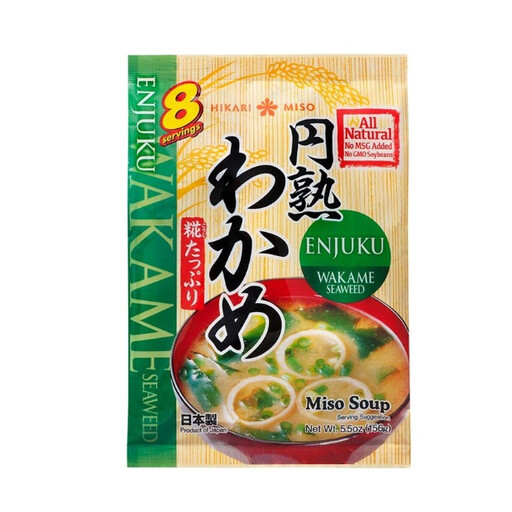 Image unavailable
If you want to spread portions across several mornings, this pack contains eight. Just add hot water: it’s neither ready-to-serve liquid soup nor a tinned product. Check the label if you need to avoid soya, fish or gluten.
 Image unavailable
If you have hot water to hand and want to prepare individual portions, this pack contains eight pieces. It’s neither ready-to-serve soup nor a metal tin. Soya is listed as an allergen; also check the packaging for any mention of gluten and wheat.
 Image unavailable
Worth considering if you can spare a few minutes to cook breakfast: this dried soup needs to simmer for five minutes and isn’t ready to serve. Check the packaging for information about gluten, eggs, soya, mustard and milk, among other ingredients.
 Image unavailable
For a morning when you have time to cook, this 85 g sachet makes a hot soup, but it needs to cook for five minutes. It isn’t a metal tin; check the packaging for information about gluten, celery and possible traces of other allergens.
No. The Royco noodle soup listed on Joybuy is a dried mix in three sachets, which you reconstitute with hot water. If you want a multipack of tins, check the container material and number of units rather than relying on the name of the shelf alone.
Start with the product name and ingredients, then check the allergens and nutritional information. For prepacked foods sold in France, the DGCCRF says allergens must be highlighted in the ingredients list and nutritional information must be given per 100 g or 100 ml.
No. Nutri-Score doesn’t replace the ingredients list or nutritional information. Santé publique France explains that displaying it is voluntary. When comparing similar soups, also check their values per 100 g or 100 ml and their allergens.
Follow the storage temperature and time stated by the manufacturer on the packaging; don’t apply the instructions for a sealed container to an opened one. The DGCCRF advises following these storage recommendations. Bear this in mind before opening a 1 L carton or 800 g jar for a single portion.