Households looking for soup that doesn’t need rehydrating
Liquid soup is ready to serve once heated, with no need to measure out water. Carrefour, for example, stocks 1 L cartons in its liquid soup range.


To stock your cupboard, choose a liquid soup in a carton if you simply want to heat it up; opt for sachets of dried soup if you prefer a compact format and can add hot water. Before stocking up, check the number of servings once prepared, the ingredients, salt content, use-by date and storage instructions. If you’re buying soup in a metal tin, avoid any packaging that’s bulging, rusty or misshapen.
Liquid soup is ready to serve once heated, with no need to measure out water. Carrefour, for example, stocks 1 L cartons in its liquid soup range.
Dried soup sachets take up very little room, as long as you’re happy to prepare them with hot water. The number of servings once prepared can help you decide how much to stock.
The exact recipe matters more than its name alone: depending on the product, it may contain gluten, milk, celery or egg, among other ingredients. It’s also worth comparing the salt content for the same quantity of soup.
First decide whether you want soup to heat up or a mix to rehydrate. Then compare the serving sizes and the labels of recipes that suit the way you plan to use them.
| What to consider | What to check | Who it matters to |
|---|---|---|
| Preparation | Check whether the soup is liquid or needs rehydrating, then read the preparation instructions. | If you need to be able to serve soup with as little preparation as possible, rehydration is a key factor in your choice; around 40% of consumers would prioritise this. |
| Space and servings | Check the amount of storage space required and the volume or number of servings you’ll get once prepared. | If cupboard space is limited, I want to know how many bowls the sachets will actually make; around 30% of consumers would prioritise space and yield. |
| Ingredients | Check the ingredients, allergens and salt content for the same quantity, for example per 100 ml of prepared soup. | If I need to avoid certain ingredients or use salt content to guide my choice, I need to check each recipe; around 30% of consumers would put ingredients first. |
Dried soup needs hot water and must be prepared according to the instructions; liquid soup doesn’t need to be rehydrated.
Check how to prepare it and how much soup it makes before stocking up.
A vermicelli soup or creamy recipe may contain ingredients that the person eating it needs to avoid. Anses also lists soups and broths among the foods that contribute to salt intake.
Check the highlighted allergens and the ‘salt’ line in the nutritional information on every pack.
DGCCRF warns that a bulging, rusty or misshapen tin may indicate that the product has deteriorated. This check applies to metal tins, not automatically to cartons or sachets.
Set aside any metal tin showing these signs; if you’re unsure about its condition, don’t eat the contents.
The brand offers dried soups in sachets, including vermicelli and creamy recipes.
This supermarket brand offers liquid soups to heat up, including 1 L cartons.
The ranges listed by E.Leclerc include dried soups in sachets.
The brand offers a liquid tomato, mozzarella and basil soup in a carton, among other products.
These two products are made with hot water: Royco is a vegetable noodle soup, while Family Whole is a recipe with dates, goji berries and lotus seeds. Choose the recipe you want to stock up on, and don’t confuse either with liquid soup that’s ready to heat.
 Image unavailable
A handy choice if you want to stock up on portions to prepare, rather than liquid soup that’s ready to heat and serve. The three stated servings each make 20 cl when prepared with hot water.
This recipe contains gluten, celery, milk and chicken; also check the pack for any listed traces.
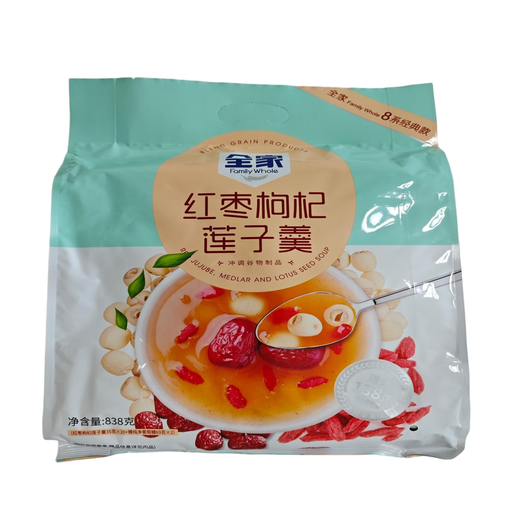 Image unavailable
Consider this if you’re specifically looking for this sweet recipe to prepare with hot water, rather than a savoury soup for a meal. The stated pack size is 838 g and it contains glucose, so check that it suits the way you plan to use it.
Check the product name, ingredients list, allergens, nutritional information, quantity and date on each product. For dried soup sachets, also read the preparation instructions and check how much soup they make.
Follow the storage instructions on the pack for after opening, including the temperature and how long it can be kept if these are specified. Check these instructions before opening a large pack if you don’t plan to serve it all at once.
Avoid any metal tin that’s bulging, rusty or misshapen. DGCCRF says these signs may indicate that the product has deteriorated; if in doubt, don’t eat the contents.
Compare the salt content for the same quantity of soup, then take into account the portion you’ll actually serve. For a sachet, use the values for soup prepared according to the instructions, and check the allergens for each recipe separately.