People in a hurry on their own in the morning
If you want a small bowl of hot soup without opening a large container, individual sachets are worth considering. Carrefour and Auchan, for example, list Royco instant soups in 20 cl portions.


For a small, hot portion on a weekday morning, a single sachet means you don’t have to open a large carton, but you will need hot water. A carton of ready-to-heat soup is more practical if you’re planning several bowls. If you choose a tin, check its condition too. Whatever the format, look at the portion size, ingredients and storage instructions. According to Manger Bouger’s guidance, soup on its own doesn’t determine what makes up a balanced breakfast.
If you want a small bowl of hot soup without opening a large container, individual sachets are worth considering. Carrefour and Auchan, for example, list Royco instant soups in 20 cl portions.
If several people are having soup, or you’re planning to serve it at different times, compare carton sizes and the storage instructions after opening. Carrefour and ALDI, for example, list 1 L cartons of ready-to-heat soup.
If certain ingredients or the salt content matter to you, check each recipe individually. The Royco and Liebig product pages published by Carrefour show that ingredient lists and allergen declarations vary from one product to another.
For a weekday breakfast, first distinguish between a sachet that needs reconstituting, a carton of ready-to-heat soup and a tin. They differ in portion size and in what you need to do before or after opening.
Consider this: if you want to prepare a separate portion, such as one of the 20 cl sachets listed by Carrefour and Auchan.
Bear in mind: you’ll need to add hot water and check the label for each recipe.
Consider this: if you want soup that doesn’t need reconstituting and are planning several bowls, or if a small carton suits your portion size.
Bear in mind: once opened, follow the storage instructions on the carton.
Consider this: if you find a recipe and format that suit your cupboard and the number of bowls you’d like.
Check: according to the DGCCRF, discard any questionable tin that is dented, rusty or bulging.
| Consideration | What to check | Who this matters to |
|---|---|---|
| Portion and preparation | Volume per portion and whether you need to add water; for a sachet, follow the preparation instructions. | I leave early and only want to prepare a small bowl, without having to deal with leftovers. Around 40% of consumers prioritise this individual portion size. |
| Storage format | Container volume, number of portions and instructions for after opening. | If I’m serving several people, I prefer to plan the bowls in advance and choose a suitable container. A format for multiple servings comes first for around 30% of consumers. |
| Ingredients and how it fits into the meal | Ingredients, declared allergens and nutritional values for the specific recipe. | Before choosing soup for breakfast, I need to know what it contains and how it fits into my morning meal. For around 30% of consumers, checking the label is the priority. |
A sachet that needs reconstituting, a carton of ready-to-heat soup and a tin don’t involve the same preparation or portion management.
Check the packaging type before comparing volumes and instructions for after opening.
The Royco and Liebig recipe pages published by Carrefour list celery, milk, wheat or possible traces of other allergens, depending on the product. A ‘vegetable’ flavour doesn’t tell you what’s in it.
Read the ingredients list and allergen declaration on the packaging of the product you choose.
The convenience of soup doesn’t, by itself, tell you what makes up the meal. Manger Bouger’s breakfast guidance includes a cereal product, a dairy product, a whole piece of fruit and a low-sugar drink.
Think of soup as one part of the meal and consider what you’ll have with it.
The DGCCRF also advises checking the outside of the tin: dents, rust or bulging can be signs of deterioration.
Discard any tin showing these signs, and don’t eat the contents if you’re in any doubt.
Dried and instant soups, including individual portions listed by Carrefour and Auchan.
Ready-to-heat soups in cartons, including 1 L options listed by Carrefour.
Dried soups in a range of formats, listed in Auchan’s selection.
Sachet soups listed in E.Leclerc’s selection.
A brand included in the soup selection listed by ALDI France.
This selection mainly includes soup sachets to prepare and a ready-to-heat soup in small cartons. Choose according to the portion you want and how much time you can spend preparing breakfast in the morning.
 Image unavailable
Prepare one portion at a time without opening a large container.
Three sachets, each making 20 cl of soup; hot water needs to be added.
The description lists gluten, celery and milk. If these ingredients matter to you, check the label of the recipe you choose.
 Image unavailable
Keep individual sachets handy for several breakfasts.
The preparation instructions say to add around 160 ml of hot water to each sachet.
The description lists soya and possible traces of wheat or gluten; check the packaging if you have dietary restrictions.
 Image unavailable
For a morning when you have time to prepare the soup in a saucepan rather than directly in a mug.
The pack is listed as 69 g for 0.70 L; the preparation instructions call for five minutes of simmering.
The description lists gluten, eggs, soya, mustard and milk, among other ingredients. Read the label before choosing this recipe.
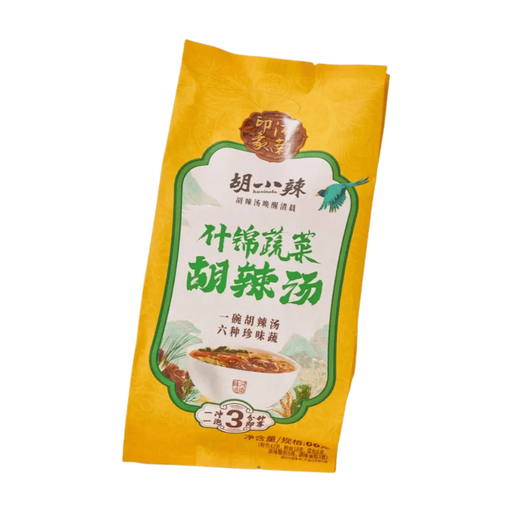 Image unavailable
Make with hot water, checking that the amount it makes is right for your breakfast bowl.
The sachet contains 66 g; the instructions say to add around 400 ml of boiling water and leave for three to five minutes.
The description lists gluten, soya and sesame. Check the packaging too, to find out how many portions it makes.
 Image unavailable
Plan two separate portions of ready-to-heat soup instead of opening a large carton.
The pack contains two 30 cl cartons; the soup doesn’t need to be reconstituted with water.
The description lists celery and milk. Check the packaging for heating and storage instructions after opening.
Soup on its own doesn’t automatically provide the combination of foods described in Manger Bouger’s breakfast guidance. This includes a cereal product, a dairy product, a whole piece of fruit and a low-sugar drink, so consider how the soup fits into the meal as a whole.
Read the label for the specific recipe before choosing it. The Royco and Liebig product pages published by Carrefour list wheat containing gluten, milk, celery or possible traces of other allergens, depending on the product. A brand or vegetable name alone won’t tell you what’s in it.
Tell the difference between a use-by date (DLC) and a best-before date (DDM), then follow the product-specific instructions. The French Ministry of the Economy reminds consumers that a use-by date is a strict deadline, and that you should follow the temperature and storage-time instructions on the packaging after opening.
Don’t eat the contents if you’re in any doubt. The DGCCRF recommends checking the outside of a tin and discarding it if it is dented, rusty or bulging.