For lunch at work, start by choosing a format that suits the equipment you have available: a sachet to rehydrate if you have access to hot water, a single portion of ready-made soup if you want to avoid leftovers, or a 1 L carton if you can use its contents over more than one meal. Then check how much you’ll eat, how it needs to be prepared, and the ingredients, allergens and salt content. If it’s a small portion, you may want to add something on the side, depending on how hungry you are.
Which format is right for you?
If you have a short lunch break
If you have access to a kettle or hot-water dispenser, a sachet you rehydrate lets you carry a dry portion with you. Still, check the prepared volume and the instructions: not all sachet soups are made in the same way.
If you’re planning several lunches
A 1 L carton can be divided between several meals or shared. This option works best if you can store any leftovers as directed on the packaging once opened.
If you pay close attention to ingredients
Compare the ingredients, allergens and nutritional information for each recipe, particularly the salt per portion or per 100 ml. Vegetable soup can also contain cereals, milk, celery or eggs.
What should you check before buying?
Start with how the soup needs to be prepared, then choose an amount you can realistically use. Check the ingredients for the specific product, whatever its format.
| What to consider |
What to check |
Who it matters to |
| Preparing it at work |
Check whether the soup only needs hot water, needs reheating or requires cooking, and how much it makes. |
If I only have access to hot water during my break, I want to be able to make my soup with the equipment available. Around 36% of consumers prioritise this above all else. |
| How much you’ll use |
Compare the volumes and work out how many meals you’ll get from a carton or a multipack of sachets. |
If I’m planning several lunches, I look for a format where I’ll use everything. Around 29% of consumers prioritise being able to use the product over several meals. |
| A portion with no leftovers |
Check the volume of each portion and the storage instructions once opened. |
If I’m having lunch on my own and don’t want to keep an opened carton, I prefer an amount that’s right for one meal. Around 21% of consumers prioritise a portion with no leftovers. |
| Ingredients |
Read the ingredients and allergen information, then compare the salt content on a like-for-like basis, for example per 100 ml. |
If I need to avoid certain ingredients or keep an eye on the salt in my lunch, the specific recipe matters more than the range name. Around 14% of consumers put ingredients first. |
Mistakes to avoid
-
Assuming “tinned” means ready to eat
Dehydrated soup needs to be prepared, unlike ready-made soup in a carton. At work, this can make all the difference to whether you can actually have it during your break.
Check how to prepare the soup and how much water to add before choosing a sachet.
-
Choosing a large format without planning when you’ll use the rest
A 1 L carton is only practical if you can share it or use the leftovers after opening.
Work out how many portions you’ll use and read the storage instructions for that specific product.
-
Assuming vegetable soup suits every diet
Depending on the recipe, soup may contain wheat, milk, celery or eggs, among other ingredients. The product name is no substitute for checking the ingredients list.
Check the allergens highlighted on the label for the exact product, even if you’re already familiar with the brand.
-
Forgetting about the salt in the rest of your lunch
Anses lists soups and broths among the sources of salt in the diet. The Royco sachet soup featured here contains 1.82 g of salt per prepared 200 ml portion.
Compare salt values for equivalent volumes and factor in any sides you’re planning to have.
Brands to compare
These ranges show some of the formats available. The right choice depends on the specific recipe, how it’s prepared and how much you’ll use.
Royco
Individual sachets of dehydrated soup to consider if hot water is the main equipment available at work.
- The carrot and mushroom noodle soup comes in three sachets, each making a 20 cl portion.
- This recipe contains gluten, celery, milk and chicken, among other ingredients. Also check the packaging for any allergen traces.
Carrefour Classic'
The range includes ready-made soups in 1 L cartons and packs of 2 × 30 cl portions.
- These two formats let you choose between using one carton for several meals and having separate portions.
- Ingredients vary by recipe. Check in particular whether it contains celery or dairy ingredients.
Carrefour
Ready-made soups in cartons to consider if you’d rather heat your soup than reconstitute it from a sachet.
- The range includes a 1 L carton of vegetable and vermicelli soup.
- The ingredients for this product include wheat and egg, among others. Check the ingredients list before you buy.
Marque Repère – Regal Soupe
This E.Leclerc range includes soups in cartons, including 1 L cartons and packs of 2 × 30 cl portions.
- You can choose a format to suit one meal or several lunches.
- Check the recipe and storage instructions for the format you choose, particularly if you open a 1 L carton.
Les Printanières
This ALDI brand includes ready-made soups, such as 1 L cartons of velouté.
- A 1 L carton can be divided between several meals if you can store the leftovers.
- Choose based on the ingredients and instructions for the specific recipe, rather than the range name alone.
Sachet soups on Joybuy
These are soups that need to be prepared, so they’re worth considering if you can take a sachet to work. Some need more than just hot water, so check the instructions and make sure you have the right equipment before choosing.
 Image unavailable
Royco carrot and mushroom noodle soup, 3 × 20 cl
Worth considering if you have access to hot water during your break: each sachet makes a 20 cl portion. Check whether that’s enough for you, and read the label if you avoid gluten, celery, milk or chicken.
View on Joybuy
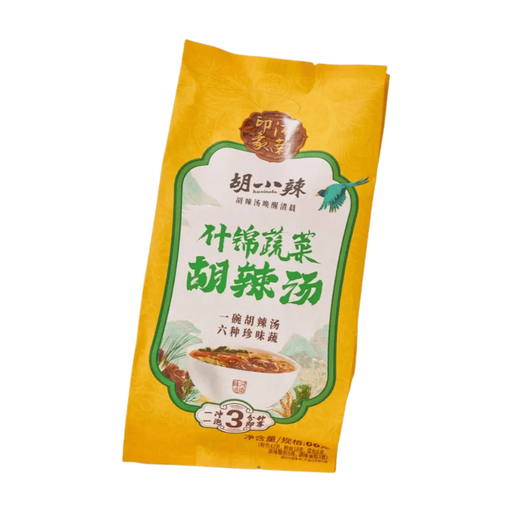 Image unavailable
Haoxiangni assorted spicy vegetable soup, 66 g
This sachet could suit a lunch when you fancy a spicy vegetable soup. Before relying on a kettle alone, check the packaging to see whether it needs to be cooked. Also check the allergens in the recipe.
View on Joybuy
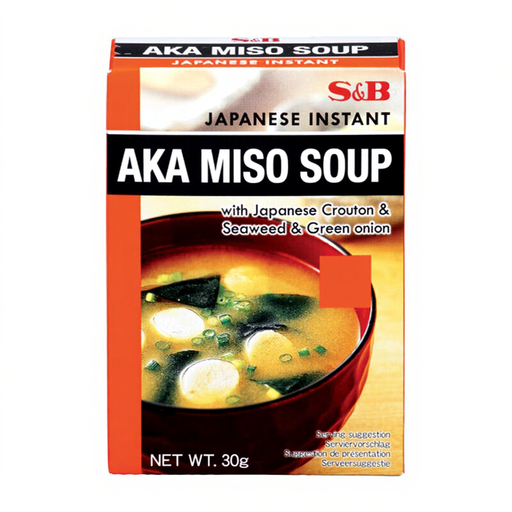 Image unavailable
S&B instant Aka miso soup, 30 g
Worth considering if you’re looking for a miso soup to make with hot water. Check how much soup each sachet makes to decide whether you’d like it as part of a more substantial lunch, and check the allergens listed on the packaging.
View on Joybuy
 Image unavailable
Knorr Thai Noodle Soup with Mushrooms 2 Assorted, 69 g, 0.70 L
This pack may suit anyone planning to share the soup or divide it between meals. It needs to be cooked, so check that you’ll be able to follow the instructions and store any leftovers as directed.
View on Joybuy
 Image unavailable
Maggi Chorba Soep, 85 g
This sachet soup is worth considering if you have access to cooking facilities at work or can prepare it elsewhere. Before working out your portions, follow the water quantity and instructions on the packaging, and check the allergens too.
View on Joybuy
Frequently asked questions
Is one sachet of soup enough for lunch at work?
Sachet soup can be part of your lunch, but the amount it makes should be enough to satisfy your appetite. One portion of the Royco product featured here makes 20 cl; add something on the side if that’s not enough for you.
What should you look for on the label of pre-packed soup?
Read the product name, ingredients, highlighted allergens and nutritional information, particularly the salt content. Check the quantity and storage instructions too. The DGCCRF highlights the importance of this labelling information for pre-packed food; make sure you check it on the product you’re buying.
Should you throw soup away as soon as it passes its best-before date?
No. A minimum durability date (DDM) is not the same as a use-by date (DLC), which is a strict deadline. Follow the date on the product and its storage instructions, particularly once it’s been opened.
Does the Nutri-Score replace checking the ingredients?
No. If the packaging displays a Nutri-Score, it won’t tell you on its own which ingredients or allergens the soup contains. Check the ingredients list and nutritional information for the specific recipe.


