Shoppers prioritising fat content
You want to compare frozen desserts by their fat content. Check the values per 100 g: a fruity flavour alone doesn’t tell you what a product contains.


If fat content is your main priority, start by comparing tubs of sorbet: the DGCCRF states that no fat may be added to sorbet during production. Check the sugar and energy values per 100 g too, then make sure you can keep the tub cold until lunch outdoors.
You want to compare frozen desserts by their fat content. Check the values per 100 g: a fruity flavour alone doesn’t tell you what a product contains.
You want to look beyond fat content alone. The ‘sugars’ and ‘energy’ rows in the nutrition table let you compare recipes on the same 100 g basis.
You’re planning to serve dessert after shopping, on a bridge or somewhere else without a freezer. Journey time and whether you can take an insulated bag matter just as much as your choice of recipe.
For lunch outdoors, decide what matters most to you: fat content, checking other nutritional values, or keeping the dessert cold until it’s time to serve.
Consider it: if fat content is your top priority when choosing dessert.
Bear in mind: it has a different texture from ice cream, and the word ‘sorbet’ alone doesn’t tell you how much sugar it contains.
Consider it: if you prefer a creamy texture but still want to compare the recipes’ ingredients.
Bear in mind: don’t assume its fat content suits your preference without checking the value per 100 g.
| Factor | What to check | Who it matters to |
|---|---|---|
| Fat | The product description and fat content per 100 g. | If I’m mainly looking to reduce fat, I compare the recipes rather than relying on the flavour; around 50% of shoppers would put this factor first. |
| Sugars and energy | Sugars and energy per 100 g, alongside fat. | I want to choose based on several nutritional values, without assuming that sugar content follows fat content; around 30% of shoppers are said to prioritise this. |
| Keeping it cold in transit | Journey time and whether you can use an insulated bag until it’s time to serve. | If I’m sharing dessert after shopping, I need to be able to keep it frozen until lunch; around 20% of shoppers would make this their top priority. |
The ESKISS lime sorbet listed by E.Leclerc contains 0.0 g of fat but 22.0 g of sugars per 100 g. These two values tell you different things.
Compare fat, sugars and energy per 100 g for the specific product you’re considering.
Air incorporated during production can affect the weight of two products with the same volume. So volume alone isn’t a substitute for comparing nutritional values on the same basis.
Check the net weight and compare the nutritional information per 100 g.
A frozen dessert can thaw between your shopping trip and lunch outdoors. Anses recommends keeping transport time to a minimum and using an insulated bag.
Buy frozen products last, and only choose this dessert for your outing if you can keep it cold until you’re ready to serve it.
The ESKISS range includes tubs of sorbet worth considering if fat content is your top priority.
The retailer offers tubs of sorbet and ice cream, which you can compare recipe by recipe.
The retailer’s catalogue distinguishes tubs of sorbet from other frozen desserts, among other categories.
One product listed by Carrefour is a 400 g tub of ice cream. Check the format if you’re specifically looking for a sharing tub.
The brand offers tubs and mini tubs, which are different from a tub designed for sharing.
These sorbets give you a chance to explore sorbet as an option for lunch outdoors. If you specifically want a tub to share, check the container format before choosing, then plan how to keep it cold in transit.
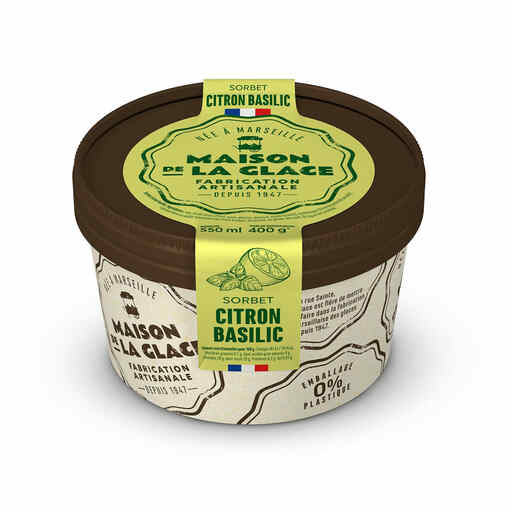 Image unavailable
Worth considering if you’re comparing sorbets for lunch outdoors. Check the container format if you’re looking for a tub, and plan to use an insulated bag for the journey.
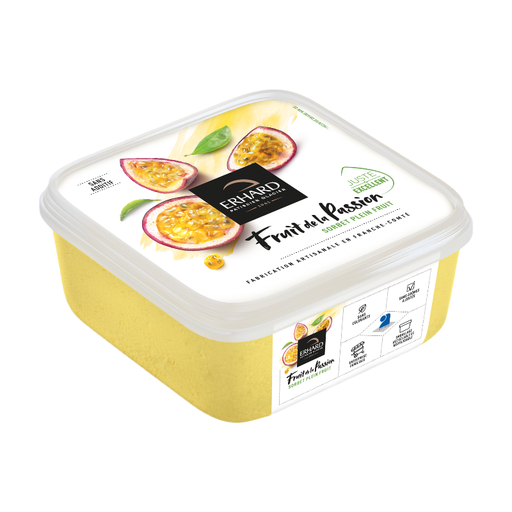 Image unavailable
An option to compare based on your fat and sugar preferences. Check that the container is suitable for sharing, and keep the sorbet cold until you’re ready to serve it.
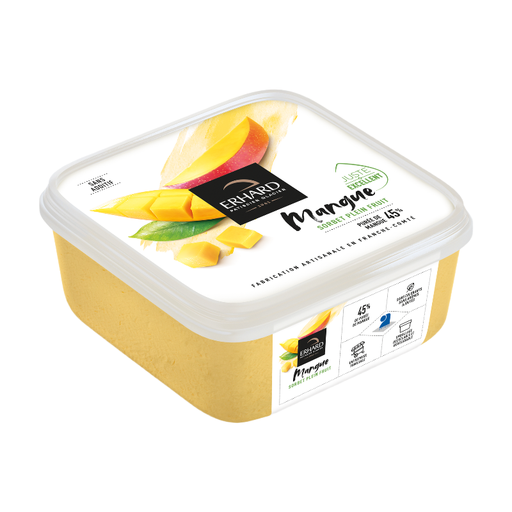 Image unavailable
Consider this if you’d like to compare several sorbet flavours for your meal. Check its nutritional values per 100 g and confirm the container type if you need a sharing tub.
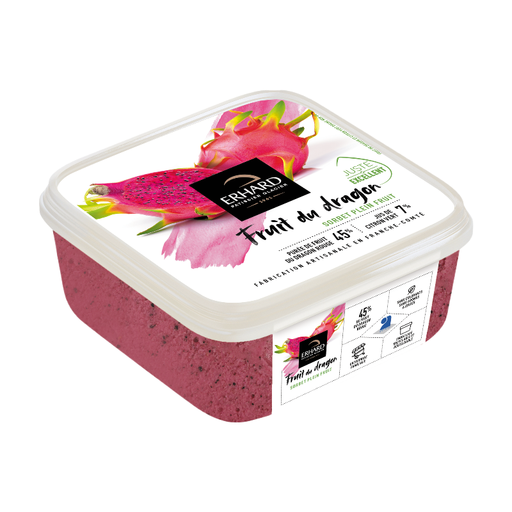 Image unavailable
This sorbet is one recipe to compare before lunch outdoors. Check the label for the values that matter to you, confirm the container format and plan how to keep it cold in transit.
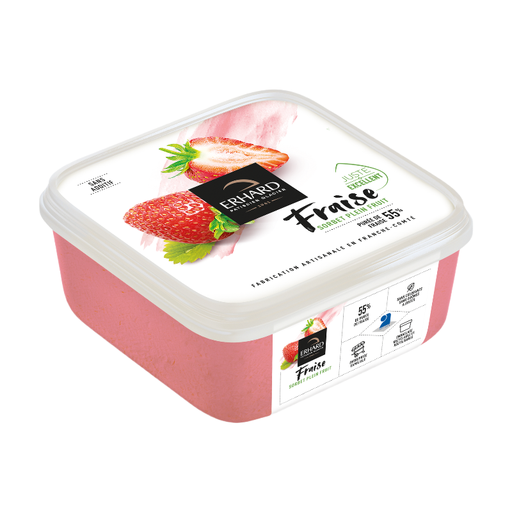 Image unavailable
Compare it with other sorbets if you’re interested in strawberry flavour. Check the nutritional values and container format before planning to serve it outdoors.
Check the ‘fat’ row per 100 g for each product. This shared basis, used in the nutritional declarations described by the DGCCRF, is more useful for comparing recipes than the flavour or container size alone.
No. The rule outlined by the DGCCRF means that no fat may be added during sorbet production; it doesn’t mean that every product will necessarily show zero fat. Check the value listed for the sorbet you’ve chosen.
No. If milk content matters to your choice, check the ingredients list and any warnings about traces on the specific product instead of relying on its name alone.
Buy it at the end of your shopping trip, put it in an insulated bag and keep transport time to a minimum, in line with Anses advice on the cold chain. Plan to serve it while it’s still frozen, and don’t refreeze a thawed product.